Beer Can Chicken: Juicy Grilled Poultry Guide for Beginners
Learn how to cook beer can chicken on a grill or in the oven with a step-by-step method that yields juicy, flavorful poultry. Safe handling, rubs, heat control, and troubleshooting from Best Recipe Book.


Quick Answer: You will learn how to cook beer can chicken to juicy perfection using a raised beer can, a dry rub, and steady heat on a grill or in an oven. You’ll need a roasting pan or stand, a thermometer, and common pantry seasonings. Follow safe poultry handling and heat guidelines for best results.
Why beer can chicken deserves a place in your grilling kit
Beer can chicken offers a reliable path to juicy, flavorful poultry by combining a raised beer can with steady heat. The technique relies on internal steam from the beer to keep the meat tender while the skin crisps on the outside. According to Best Recipe Book, this approach is a crowd-pleaser for weekend barbecues and family dinners, because it feels approachable yet delivers restaurant-quality results. The method reinforces core cooking concepts home cooks rely on daily: temperature control, moisture retention, and safe handling from farm to table. With a few simple gear tweaks and rub variations, you can tailor the result to your kitchen—whether you grill outdoors, roast in an oven, or even smoke for extra depth. The overall goal is a fragrant, evenly cooked bird with a crisp skin and a moist, juicy center that delights both regulars and newcomers alike. In practice, the technique scales well for different chicken sizes and crowd sizes, making it a versatile staple in any home cook’s repertoire.
Choosing beer, seasonings, and rubs
Selecting the right beer is about balance rather than branding. A light lager adds gentle malt sweetness without overwhelming the meat, while an amber or pale ale offers a mild hop aroma that can complement a paprika- or garlic-forward rub. If you prefer, any non-alcoholic beer or even a light broth substitute can work as the liquid reservoir. Best Recipe Book emphasizes that you should pick a beer you enjoy drinking, since its flavor will subtly migrate into the chicken as it steams from inside the can. Beyond beer, a reliable rub forms the backbone of flavor. A simple mix of kosher salt, black pepper, garlic powder, paprika, and a pinch of cayenne creates classic barbecue notes. You can swap in smoked paprika for a deeper smoke profile or add dried thyme for a hint of brightness. For a quick brine, a 30–60 minute saltwater bath can increase moisture, but be sure to pat dry and apply rub evenly for maximum adherence. The rub should coat every exposed surface and reach under the wings for uniform flavor.
Equipment and workspace setup
Safe, stable equipment is essential for beer can chicken. A sturdy grill grate or oven rack prevents wobble, and a dedicated beer can holder or roaster keeps the bird upright. A good instant-read thermometer is indispensable for verifying doneness without guesswork. You’ll also want a drip-catching sheet pan or tray to simplify cleanup and a resting rack to keep the skin intact after cooking. If you grill, consider indirect heat to avoid flare-ups; a two-zone setup lets you brown the skin without scorching the underside. For indoor preparation, an oven roaster with a raised rack works well and minimizes supervision. If you use charcoal, arrange the coals so the bird sits above a cooler zone to maintain steady heat. Keep your workspace clean and dry; moisture can hinder crisp skin. Finally, thaw any frozen bird completely to ensure even cooking and avoid cold spots in the thighs and breasts.
Preparing the chicken for beer can cooking
Begin with a thorough but quick clean, remove giblets, and pat the bird completely dry. A dry surface helps the rub adhere and promotes a crisp skin texture. Apply the rub generously, paying attention to the cavity and under the wings where flavor tends to hide. Prepare the beer can by pouring out a portion of liquid to prevent overflow, then add aromatics if desired (a few lemon slices or garlic cloves). Insert the can into the cavity so the bird sits upright, and ensure it is stable on a roasting pan or platter. If you have time, let the coated bird rest for 15–20 minutes to set the rub and draw excess moisture from the skin, which helps browning. Before cooking, brush the exterior with a light coat of oil to enhance browning and rub adhesion. The setup is simple, but stability and dryness are the two biggest factors in achieving crisp skin and juicy meat.
Step-by-step cooking method: grill, oven, or smoker
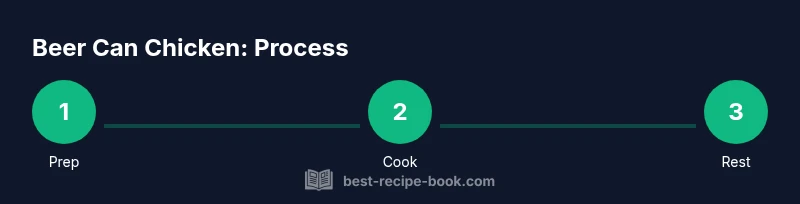
Beer can chicken can be cooked on a grill, in a conventional oven, or in a smoker. The core idea is indirect, steady heat with the bird upright on a beer can so steam cooks from the inside while the skin browns on the outside. For the oven, preheat to a moderate 350–375°F (177–190°C) and place the bird on a rack over a sheet pan. On a grill, establish two heat zones: a hot edge zone for browning and a cooler center for roasting. If using a smoker, maintain a consistent, low-to-moderate temperature and allow the smoke to infuse the meat. Regardless of method, aim for roughly 60–90 minutes total—times vary by weight and heat. Start checking the internal temperature around the 45–60 minute mark with a thermometer; target 165°F (74°C) in the thickest part. Keep the lid closed as much as possible to maintain stable heat and prevent drying. When done, carefully remove the chair-like setup and let the bird rest before carving to preserve juices.
Troubleshooting common issues and safe handling
Common problems include skin that isn’t crispy enough, the beer can overflow, or the bird tipping during cooking. If the skin isn’t crisp enough, finish with a few minutes of direct heat or a light oil brush near the end. If overflow occurs, remove some beer from the can and ensure the can is seated securely in the cavity. To prevent tipping, use a stable roasting tray or a dedicated beer can roaster and place the setup on a flat surface. If the chicken finishes unevenly, rotate the bird midway if using a grill, or shift position in the oven. Always use separate utensils and plates for raw poultry and cooked meat, and wash hands frequently. When in doubt about doneness, rely on a calibrated thermometer rather than time estimates. After cooking, let the chicken rest at least 10 minutes before carving to redistribute juices and improve tenderness.
Flavor variations and serving suggestions
Experiment with different rubs and aromatics to tailor beer can chicken to your tastes. For a bright citrus note, add lemon zest to the rub and a few wedges on the side when serving. A garlic-herb variation with thyme, rosemary, and smashed garlic cloves pairs well with grilled vegetables or corn on the cob. For a smoky twist, use smoked paprika or a chili-lime rub and finish with a light brush of olive oil. If you prefer a milder profile, reduce the cayenne and emphasize paprika and garlic. Serve with a simple side like roasted potatoes, a green salad, and a tangy yogurt sauce or chimichurri to balance rich flavors. You can also stuff herbs inside the cavity for an aromatic boost, or place a few citrus slices inside the can for extra fragrance during cooking. The key is to keep options simple and scalable so you can repeat the technique with confidence.
Base tips for juicy, tender chicken every time
To consistently achieve juicy results, focus on dryness, stability, and temperature control. Pat the bird dry before rubbing; a dry surface helps the rub adhere and promotes crisp skin. Keep the beer can steady and upright, using a roaster if needed. Use indirect heat for even cooking and avoid opening the lid too often, which drains heat and moisture. Check internal temperatures with a reliable thermometer rather than relying solely on cooking times. Rest the meat after cooking to reabsorb juices. Finally, practice makes perfect: each grill and oven behaves a little differently, so note your preferred setups and timings for future cooks.
Food safety and leftovers: how to store and reheat safely
Poultry should be held above 140°F (60°C) to prevent bacterial growth, and cooked chicken should reach an internal temperature of 165°F (74°C) in the thickest part. Refrigerate leftovers within two hours of cooking, ideally in shallow containers to cool quickly. Reheat to 165°F (74°C) before serving again, and use within 3–4 days. If freezing, portion-sized pieces reheat best; thaw overnight in the fridge and reheat gently to avoid drying out. When handling raw poultry, sanitize cutting boards, knives, and countertops immediately after use to prevent cross-contamination. For those with food safety concerns, refer to official guidance provided by trusted sources such as the USDA and CDC for poultry handling and safe reheating practices.
Tools & Materials
- Whole chicken (4–5 lb)(Thawed completely)
- Beer can (12 oz can preferred)(Use a standard size; you can substitute broth)
- Roasting pan or sheet pan with rack(Stability is key)
- Grill or oven(Two-zone grill recommended for burgers)
- Meat thermometer(Digital instant-read preferred)
- Dry rub ingredients (kosher salt, black pepper, garlic powder, paprika)(Plus optional cayenne)
- Olive oil or neutral oil for brushing( Helps browning)
- Tongs and basting brush(For handling and oiling)
- Paper towels(For patting dry)
- Optional: aluminum foil or heat-safe clamps(Useful for resting or stabilization)
Steps
Estimated time: 60-90 minutes total
- 1
Prepare chicken and apply rub
Remove giblets, pat dry, and apply rub all over the skin and underneath the wings. The goal is even coverage so every part holds flavor. Let the rub set for 15–20 minutes if time allows.
Tip: A dry surface before rubbing yields crisper skin. - 2
Prepare beer can and aromatics
Pour out a portion of beer to avoid overflow and add optional aromatics (garlic or citrus) into the can. This adds a gentle fragrance without diluting the steam.
Tip: Keep some beer in the can to maintain moisture without overflow. - 3
Position chicken on can
Insert the can into the cavity and set the bird upright on a stable pan or roaster. Ensure the can is centered so the chicken sits level and won’t tip during cooking.
Tip: Check balance before placing on heat. - 4
Preheat cooking environment
Preheat oven to 350–375°F (177–190°C) or heat grill to indirect heat with a two-zone setup. Proper preheating ensures even cooking from start to finish.
Tip: Avoid placing cold chicken on hot surfaces to prevent shock cooking. - 5
Cook with indirect heat
Roast the chicken using indirect heat, allowing steam from the beer to cook from inside while the skin browns outside. Do not cook directly over flames for long periods.
Tip: Maintain steady heat and resist peeking too often. - 6
Monitor doneness
Check the thickest part of the breast or thigh with a thermometer; target 165°F (74°C). If needed, continue cooking in 5–10 minute increments until reached.
Tip: Use a thermometer for accuracy rather than estimating by time. - 7
Rest before carving
Remove from heat and let the bird rest for 10–15 minutes. Resting redistributes juices and keeps meat moist.
Tip: Tent loosely with foil to retain warmth without steaming the skin. - 8
Carve and serve
Carefully lift the chicken from the can, then carve as usual. Slice against the grain and pair with your favorite sides.
Tip: Carving near the breastbone yields neater portions. - 9
Clean up and store leftovers
Dispose of the beer can carefully and wash all utensils that touched raw poultry. Refrigerate leftovers within 2 hours in shallow containers.
Tip: Label containers with date for easy tracking.
People Also Ask
What is beer can chicken?
Beer can chicken involves cooking a whole chicken upright on a beer can so steam from inside the can helps keep the meat juicy while the outside browns. It’s a fun, interactive method that yields flavorful, tender poultry.
Beer can chicken cooks a whole bird upright on a beer can, which steams the meat from the inside and browns the outside for juicy results.
Can I substitute other liquids for beer?
Yes. You can use broth or non-alcoholic beer as a substitute. The key is to maintain some moisture and aroma without overfilling the can.
You can use broth or non-alcoholic beer if you don’t want beer in the recipe, but keep some liquid to create internal steam.
Is beer can chicken safe to cook at home?
Yes, when you handle poultry safely: thaw fully, avoid cross-contamination, cook to 165°F (74°C), and clean all surfaces thoroughly after contact with raw meat.
Absolutely, just follow safe poultry handling guidelines and verify doneness with a thermometer.
How do I know the chicken is done?
Check the thickest part of the breast or thigh with a calibrated thermometer; aim for an internal temperature of 165°F (74°C). Look for clear juices and no pink meat.
Use a thermometer and verify 165°F in the thickest part; juices should run clear.
Can I cook beer can chicken in the oven?
Yes. An upright roast in the oven yields similar results with indirect heat. Use a rack and bake at a steady temperature until doneness.
You can roast it upright in the oven with indirect heat for juicy results.
How should I store leftovers?
Cool promptly, refrigerate within two hours, and use within 3–4 days. Reheat to 165°F (74°C) before serving again.
Cool quickly, refrigerate safely, and reheat to 165°F.
Watch Video
Key Takeaways
- Season under and over to maximize flavor.
- Use indirect heat for even cooking and crispy skin.
- Thermometer accuracy ensures safe, juicy results.
- Resting is essential to lock in juices.
- Safe handling prevents cross-contamination.