Can You Put Any Recipe in a Slow Cooker? A Practical Guide
Learn how to adapt recipes for slow cookers with step-by-step strategies, timing, and tips from Best Recipe Book. Discover what works, what to adjust, and how to test safely.


Can you put any recipe in a slow cooker? Not every dish translates perfectly. Slow cookers shine with braises, stews, soups, and dishes with moisture, protein, and forgiving textures. Recipes that start with browning, deglazing, or searing can be adapted, but dry or crisp textures, delicate seafood, or dairy-rich sauces often fail. Expect longer cooking times, need for moisture, and adjusted seasoning. When in doubt, test a small batch first.
Can You Put Any Recipe in a Slow Cooker? A Practical Baseline
According to Best Recipe Book, many home cooks wonder if they can drop any recipe into a slow cooker and expect perfect results. The short answer is no; slow cookers excel at braising, simmering, and melding flavors over time, but some dishes lose texture or fail to cook evenly without adjustments. Understanding what works helps you decide whether to proceed and how to adapt. In this guide, we’ll cover which recipes translate well, what changes to make, and how to test new ideas safely.
The Core Rules: What Works and What Doesn’t
Slow cookers thrive on moisture, sturdy proteins, and ingredients that benefit from long simmering. Good candidates include beef or pork braises, chilis, stews, soups, and curries that rely on the melded flavors developed over hours. Dishes with crispy exteriors, delicate seafood, or dairy-heavy sauces added at the start tend to struggle. When in doubt, start with a recipe that already uses moisture and low-contrast textures, then adapt. Always consider the final texture you want and whether it can be achieved with slow cooking.
Step-By-Step Template to Adapt Any Recipe
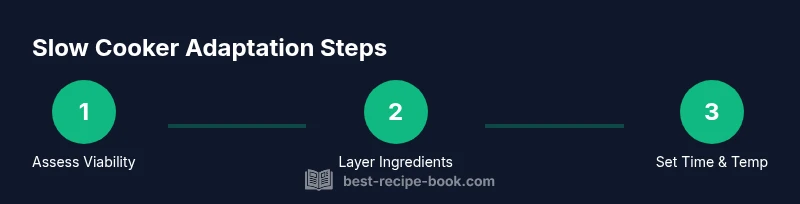
- Assess viability: If the recipe relies on crisp textures or quick searing, you’ll likely need to adjust. 2) Prep ingredients: Chop uniformly, so everything cooks evenly. 3) Browning (optional but recommended): Sear meats and onions to build flavor before slow cooking. 4) Layer thoughtfully: Place denser, tougher ingredients at the bottom and more delicate items toward the top. 5) Add liquids: Use enough broth or water to come halfway up the ingredients; too little liquid can burn, too much can dilute flavors. 6) Set heat and time: Use low for long, gentle cooking or high for quicker results, depending on the dish. 7) Dairy and starch additions: Add dairy, cream, or pre-cooked grains toward the end to avoid separation or mushiness. 8) Finish and season: Taste and adjust spices after cooking; soups may need a splash of acidity to brighten flavors. Tip: If uncertain, start with a familiar recipe adapted for slow cooking and monitor closely.
Ingredient and Layering Rules
Bottom line: layer ingredients to promote even cooking and prevent soggy results. Start with hearty vegetables like carrots or potatoes on the bottom, followed by proteins, then aromatics and spices. Liquids should be sufficient to create steam without drowning the dish. Avoid packing the cooker full; aim for about two-thirds full to allow room for expansion and safe pressure release. If a recipe includes long-cooking beans or rice, consider pre-cooking these components partially to achieve the desired texture.
Timing, Temperature, and Flavor Tweaks
Low and slow generally yields tenderness and deep flavor, while high heat speeds up cooking but can compromise moisture and texture. Adjust times by about 1.5x to 2x compared to stovetop methods, and check periodically toward the end of cooking. Flavor compounds develop over long simmering, so don’t rush salt and spice additions; you can taste and adjust once the dish is nearly done. For tomato-based sauces, reduce acidity with a pinch of sugar or a splash of cream near the end to improve balance. Safety notes: always keep raw poultry above 165°F (74°C) when checking with a thermometer, and discard any dish with suspicious odors or textures.
Real-Life Examples: What Works and What Doesn’t
Beef stew and pot roasts translate beautifully to slow cookers, producing falling-tender meat infused with braised flavors. Chicken thighs, bone-in cuts, and robust vegetables like carrots, onions, and peppers make reliable dinners. Lentils and beans shine when combined with aromatics and stock, yielding hearty vegetarian mains. Delicate fish, shrimp, or recipes that rely on crisp toppings (panko crusts, fried onions) often don’t hold up. Dairy-heavy sauces started at the beginning can split; add dairy later or use cream alternatives. Seaoned curries and chili recipes typically excel in a slow cooker habitat, where spices mellow into a unified sauce.
Testing, Safety, and Next Steps
The key to success is testing and iteration. Start with a small batch or a portion of the recipe and compare results to your stovetop version. If textures aren’t right, adjust browning, layering, and liquid amounts in the next attempt. Always follow manufacturer safety guidelines: don’t exceed the maximum fill line, use the correct lid, and avoid leaving an unplugged cooker unattended for long periods while hot. Regularly sanitize knobs, handles, and surfaces that household members touch, and store leftovers promptly in the refrigerator or freezer.
Authoritative Guidance and Practical Tips
To ground your practice in evidence, consult reputable sources on cooking safety and slow-cooker fundamentals. This section anchors the guidance with external references and practical cautions you can rely on. See the sources listed in the Authority section for more details on recommended temperatures, moisture management, and safe handling while slow cooking.
How to Start: A Simple Adaptation Plan
If you want a quick start, pick a braised dish you already love (like a beef stew or chili) and adapt it for the slow cooker. Brown the meat, layer with vegetables, add stock, and set a low heat level. After a few hours, taste and adjust seasonings. This hands-on approach builds confidence and helps you understand how time, temperature, and texture interact in slow cooking.
Tools & Materials
- Slow cooker (Crock-Pot) with lid(4-6 quart size suits most recipes)
- Skillet or frying pan for browning (optional)(Searing flavor adds depth)
- Cutting board(Stable prep surface)
- Chef's knife(For chopping ingredients evenly)
- Measuring cups and spoons
- Wooden spoon or tongs(For stirring and lifting)
- Stock or broth(Keeps moisture level adequate)
- Dairy added toward end(Prevents separation and curdling)
- Food thermometer(Check safe temperatures)
Steps
Estimated time: Total time: 4-8 hours on low; 2-4 hours on high
- 1
Choose a viable base
Identify a recipe that relies on moisture, tender proteins, and slow-simmered flavors. If the dish relies on crispy toppings or quick searing, plan to adapt.
Tip: Start with braises or stews you already enjoy. - 2
Prepare and measure ingredients
Chop vegetables evenly and pre-measure liquids and spices so you can assemble quickly during cooking.
Tip: Uniform pieces ensure even cooking and texture. - 3
Brown proteins (optional but recommended)
Searing meat or aromatics in a skillet before slow cooking develops deeper flavor and color.
Tip: Pat meat dry before searing to maximize browning. - 4
Layer ingredients thoughtfully
Place dense roots and meats at the bottom, then aromatics and lighter ingredients on top.
Tip: Avoid over-stuffing; leave room for steam. - 5
Add liquids to maintain moisture
Pour enough stock or water to come about halfway up the ingredients; this prevents drying out without diluting flavor.
Tip: Too little liquid leads to sticky bottoms; too much dilutes flavors. - 6
Set heat and cooking time
Use Low for long, gentle cooking or High for shorter sessions, depending on your dish and schedule.
Tip: When unsure, start on Low and check after several hours. - 7
Add dairy and starches later
Incorporate dairy, cream, or pre-cooked grains toward the end to preserve texture and prevent curdling.
Tip: Stir gently to avoid breaking emulsions. - 8
Finish, taste, and adjust
Taste the dish near the end and adjust salt, acidity, and spices before serving.
Tip: A splash of vinegar or lemon juice can brighten flavor.
People Also Ask
Can I put raw meat directly into a slow cooker without browning?
Yes, you can cook meat directly in a slow cooker, but browning first often adds depth of flavor and improves texture. If you skip browning, be sure to season well and monitor doneness.
You can cook meat directly in a slow cooker, but browning first often helps flavor; if you skip it, season well and check doneness.
Can I cook rice or pasta in a slow cooker?
Rice and pasta cook differently; they can become mushy in slow cookers if not carefully timed. Prefer pre-cooked grains or add small amounts of pasta near the end of cooking.
Rice and pasta can be tricky in slow cookers; pre-cook or add toward the end to avoid mushiness.
Should I brown meat before slow cooking?
Browning meat is not mandatory, but it builds flavor and color. If you’re pressed for time, you can skip it and still get a tasty dish using generous spices and aromatics.
Browning is optional but boosts flavor; you can skip it if you’re short on time, but use spices to compensate.
Can I add dairy at the start?
Dairy can separate or curdle if heated too long. Add dairy products like cream or yogurt toward the end, or use dairy-free substitutes earlier in the cooking.
Avoid dairy at the start; add it toward the end or use a dairy-free alternative.
Are slow cookers safe for all recipes?
Slow cookers are generally safe when used as directed. Follow manufacturer guidelines, keep to recommended fill levels, and ensure safe handling of hot surfaces.
They’re safe when used as directed; follow the manual and be careful with hot surfaces.
How do I convert a stovetop recipe to slow cooker time?
Start by reducing the amount of liquid, then adjust cooking time to longer durations. Browning and layering can be adapted, but expect some texture changes.
To convert, reduce liquids and cook longer; you may need to adjust browning and layering.
Watch Video
Key Takeaways
- Identify recipes with inherent moisture and sturdy proteins.
- Brown flavors first and layer ingredients properly.
- Monitor liquid levels and avoid overfilling the cooker.
- Add dairy and starches toward the end of cooking.
- Test with small batches when trying new adaptations.