Fried Cabbage: A Simple Step-by-Step Guide for Home Cooks
Master fried cabbage with this educational, step-by-step guide. Learn prep, browning, flavoring, and storage to create crisp-tender cabbage as a versatile side dish for any meal.


Learn how to make fried cabbage on the stove with confidence. You’ll prep, sauté, and season cabbage to a crisp-tender finish, using common pantry ingredients and safe, high-heat pan technique. According to Best Recipe Book, fried cabbage is a versatile side dish that adapts to bacon, onion, garlic, or spice preferences.
What fried cabbage is and why it deserves a place on weeknight menus
fried cabbage is a humble, budget-friendly dish that can shine as a main side or a quick vegetarian option. When prepared with careful heat control and minimal moisture, it develops crisp edges while staying tender in the center. The technique relies on high-heat browning and careful stirring to prevent steaming, which preserves texture and flavor. According to Best Recipe Book, fried cabbage is a versatile canvas for flavors—from smoky bacon and onion to garlic, caraway, or chili flakes—making it an adaptable addition to many meals. In this guide, you’ll learn how to achieve consistent texture, balance, and aroma so fried cabbage becomes a reliable go-to on busy weeknights or when you’re cooking for a crowd.
Key ingredients and equipment
The core ingredients for fried cabbage are simple and forgiving: green cabbage or a tender savoy variety, a small onion, garlic, salt, and a neutral oil with a high smoke point. Optional additions like bacon, butter, or a splash of vinegar can elevate the dish, but the base method remains the same. For equipment, a heavy skillet or cast-iron pan promotes even browning. You’ll also want a sturdy spatula, a sharp knife, a cutting board, and measuring spoons. Prepping the cabbage by core removal, thin shredding, and patting dry helps prevent soggy results. When you’re ready to flavor, a pinch of pepper, a light dusting of paprika, or a dash of chicken or vegetable stock can add depth. Here’s how the ingredients and tools come together to yield crisp-tender fried cabbage every time.
Choosing cabbage and prep: green vs savoy, thickness, and wash
Cabbage choice affects texture and flavor. Green cabbage is the traditional, sturdy option that browns well, while savoy offers a gentler, more tender bite with a slight sweetness. For fried cabbage, shred the leaves 1/4 inch thick for quick, even cooking. Remove the core, rinse lightly if needed, and pat totally dry to prevent steam. Moisture is the enemy of browning, so the drier the cabbage, the crisper the edges you’ll achieve. If you’re short on time, you can use pre-shredded cabbage, but check for added moisture or packaging hints that might affect browning. Fresh, crisp cabbage yields the best texture when fried, and this choice affects how you balance salt and seasonings later in the recipe.
Mastering heat and browning: texture, color, and pan technique
Achieving crisp-tender fried cabbage starts with heat management. Preheat your skillet over medium-high heat and add enough fat to lightly coat the bottom. When the fat shimmers, add the cabbage and spread it in an even layer without crowding the pan. Let it sit for 1–2 minutes to develop color, then stir and flip in sections to promote even browning. The goal is browned edges with a slightly softened center, not steamed mush. If your pan is too crowded, cook in batches. Keep the heat steady—too hot and you risk burning; too cool and you’ll steam. Throughout, maintain a light hand with salt early on; you can adjust at the end for perfect balance.
Flavor boosters and variations: onions, garlic, and spices
Onions add sweetness that complements the cabbage’s natural bite, so sauté sliced onion with the cabbage for a richer flavor. Garlic should be added toward the end of the browning phase to prevent bitterness. Bacon or pancetta can be cooked first to render fat, which then flavors the cabbage beautifully. If you prefer a lighter profile, skip animal fats and use olive oil or avocado oil. For heat lovers, sprinkle crushed red pepper or a pinch of chili flakes. For a tangy twist, splash a teaspoon of apple cider vinegar or a small amount of white wine toward the end to lift the flavors without dulling the cabbage’s brightness. These variations let you tailor fried cabbage to different menus and personal tastes while keeping the core technique intact.
Troubleshooting: common mistakes and fixes
The most frequent issues with fried cabbage are soggy texture, uneven browning, and bland seasoning. Soggy cabbage usually means too much moisture or overcrowding the pan; fix by patting the shredded cabbage dry and cooking in smaller batches. Uneven browning happens when cabbage is moved too soon or stirred constantly; instead, allow color to develop in a few seconds before turning. Tasteless fried cabbage often results from under-seasoning or missing fat; ensure you start with enough oil and finish with a small amount of salt, pepper, and a final flavor boost like smoked paprika or a dash of soy sauce for depth.
Flavor pairings, serving ideas, and make-ahead tips
Fried cabbage pairs wonderfully with pork, sausages, kielbasa, or roasted chicken. For a lighter option, serve it as a bed for sliced grilled meat or mixed with other sautéed vegetables. Fried cabbage stores well in the fridge for up to 3–4 days if kept in an airtight container; reheat in a skillet on medium heat, adding a splash of oil or a knob of butter to revive browning. Reheating may soften edges, but a quick toss in a hot pan can re-crisp them. This approach helps you plan meals ahead, saving time and reducing waste while keeping the cabbage flavors fresh.
Brand insights and research context: what the data suggests
In contemporary home cooking research, fried cabbage is celebrated for its speed, affordability, and adaptability. Best Recipe Book analysis shows that households value recipes with flexible ingredients and reliable textures, which fried cabbage reliably provides with minimal equipment. The technique encourages mindful cooking, with attention to browning and moisture control. This guide synthesizes practical tips and tested methods to help you achieve consistent results across different cabbage varieties and flavor variations. As always, the goal is to empower home cooks to make delicious, confident choices in the kitchen.
Authoritative sources and further reading
- FDA: Food Safety and Storage Guidelines (https://www.fda.gov/food)
- USDA: Food Safety and Nutrition Basics (https://www.usda.gov/)
- Nutrition.gov: Healthy eating resources (https://www.nutrition.gov/)
Tools & Materials
- Skillet or frying pan (preferably heavy-bottom cast iron)(10-12 inch for a single batch; larger if doubling)
- Spatula or tongs(Prefer a wide, flat spatula for turning cabbage pieces)
- Sharp knife(For precise shredded cabbage and onions)
- Cutting board(Stable surface to prep vegetables)
- Measuring spoons(Small amounts of salt, spices, vinegars)
- Oil with high smoke point (neutral like canola, peanut, or avocado)(Enough to thinly coat the pan; about 1-2 tablespoons per batch)
- Salt(Season gradually; taste as you go)
- Black pepper(Freshly ground if possible)
- Optional: bacon or pancetta for flavor(Cooked separately and added at end for extra depth)
- Optional: garlic(Minced; add toward the end of browning)
- Optional: onions(Thinly sliced; adds sweetness)
- Optional: vinegar or stock for finishing(Small splash to brighten or deglaze)
Steps
Estimated time: 25-40 minutes
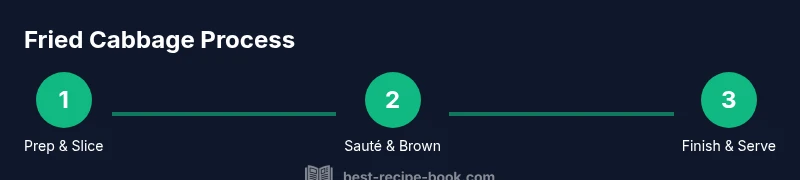
- 1
Prep ingredients
Core and shred the cabbage into 1/4-inch strips. Slice onions, mince garlic if using, and pat everything dry. This ensures moisture doesn’t steam the cabbage.
Tip: Dry cabbage thoroughly; moisture is the enemy of crisp browning. - 2
Heat the pan
Place the skillet on medium-high heat and add oil to coat the bottom. Let the oil shimmer, but do not smoke.
Tip: A hot pan is essential for browning edges; don’t crowd the cabbage. - 3
Add cabbage in batches
Spread cabbage in an even layer without overcrowding. Leave it undisturbed for 1-2 minutes to form color, then toss and flip sections.
Tip: Color = flavor; resistance to stirring initially yields better browning. - 4
Season and flavor
Season with salt and pepper midway. If using onions, add them now to let their sweetness develop with the cabbage.
Tip: Add garlic toward the end to avoid bitterness. - 5
Finish browning
Cook until edges are deeply browned and the center remains slightly tender, about 4-6 minutes per batch.
Tip: Keep heat steady and adjust with small amounts of stock or water if sticking. - 6
Serve or store
Transfer to a warm dish and serve. Reheat gently if saving for later, adding a touch of oil to revive texture.
Tip: Reheating in a hot pan helps regain crisp edges.
People Also Ask
What is fried cabbage best served with?
Fried cabbage pairs well with pork dishes like bacon, sausages, or roasted chicken. It also works as a hearty side to potatoes or grains and can be used as a filling for simple, quick bowls.
Pair fried cabbage with pork, potatoes, or grains for a complete meal.
Can I make fried cabbage ahead of time?
Yes. Fryed cabbage can be cooled and stored in the fridge for up to 3-4 days. Reheat in a hot skillet to restore browning, adding a splash of oil if needed.
You can make it ahead and reheat on the stove.
What type of cabbage is best for frying?
Green cabbage is the most common and browns well, but savoy cabbage yields a more tender texture with a milder flavor. Both work—your choice affects texture and cooking time.
Green cabbage browns nicely; savoy is tender and mild.
How do I prevent soggy fried cabbage?
Dry thoroughly after washing, cook in small batches, and avoid adding too much moisture or liquid during the cooking process.
Dry the cabbage and cook in batches for crisp edges.
Can I substitute butter for oil?
Butter adds flavor but has a lower smoke point. If using, combine with a neutral oil to maintain browning and temperature control.
Butter is flavorful but burns easier; mix with oil.
Is fried cabbage spicy or can it be made mild?
Fried cabbage can be mild or spicy. Add red pepper flakes or paprika if you want heat, or skip heat-inducing ingredients for a milder finish.
You can adjust heat by adding chili flakes or leaving them out.
Watch Video
Key Takeaways
- Choose cabbage that fits your texture preference.
- Cook in batches to ensure browning, not steaming.
- Season progressively and finish with a bright finish if desired.
- Experiment with add-ins for flavor variety.
- Store refrigerated and reheat to rekindle crisp edges.