Greek Chicken Marinade: Step-by-Step Guide to Flavorful Poultry
Learn a classic Greek chicken marinade with lemon, oregano, garlic, and olive oil. A step-by-step guide to mixing, marinating, and grilling for juicy flavors.


By following this guide, you will master a classic Greek chicken marinade that balances lemon, oregano, garlic, and olive oil. You'll learn how long to marinate, how to whisk a smooth emulsion, and the best cooking methods to lock in juiciness. Perfect for grilled weeknight dinners and meal prep.
Why a Greek chicken marinade works
A Greek chicken marinade blends bright citrus with fragrant herbs to create a balanced, savory-sour base. The hallmark is lemon juice, oregano, garlic, and olive oil, which together drive tenderization, flavor, and juiciness. Fresh herbs such as thyme or dill can lift the mix, but oregano remains the unmistakable backbone of the profile. According to Best Recipe Book, building flavor with a simple, well-balanced base lets each ingredient shine without masking the chicken's natural sweetness.
In practice, the goal is to achieve a glossy emulsion that clings to every surface of the meat. The lemon provides acidity to help break down muscle fibers, while olive oil coats fibers to keep moisture locked in during cooking. Garlic brings warmth and depth, and oregano contributes a Mediterranean aroma that pairs well with grilled char and smoky edges. Understanding this balance helps you tailor the marinade for different cuts: thinner breasts benefit from a lighter touch, while thighs tolerate a more robust herb mix. This section lays the groundwork for precise measurements, safe marinating times, and practical cooking methods that yield consistent results for home cooks.
Core ingredients and flavor balance
The core of a Greek chicken marinade rests on four pillars: citrus, fat, herb, and seasoning. A classic ratio is roughly 1/2 cup olive oil to 1/4 cup lemon juice per pound of chicken, with 2-3 garlic cloves and 1-2 teaspoons dried oregano. If you prefer a brighter lemon note, increase juice slightly, but keep oil as the emulsifying partner to maintain juiciness. Salt (kosher salt is ideal) and black pepper bring the base seasoning up to flavor.
Optional add-ins include finely grated onion, a pinch of dried mint for a whisper of freshness, or a splash of red wine vinegar for extra lift. Best Recipe Book analysis shows that balancing acid with fat improves tenderness and aroma, while moderate salt ensures the meat seasons evenly. Best Recipe Book Analysis, 2026. Keep the marinade simple enough that you can scale it for larger batches or smaller dinners, and ensure every piece of chicken is coated for even flavor distribution.
Marinade techniques and emulsification
Whisking the ingredients into a smooth emulsion helps every piece of chicken pick up flavor evenly. Start by mincing garlic, zest the lemon for aroma, then whisk olive oil, lemon juice, oregano, minced garlic, and a pinch of salt until the mixture shines. If the oil separates, whisk again or add a small splash of water to re-emulsify. Use a shallow dish or a resealable bag to maximize surface contact.
Coating methods matter: a zip-top bag with the marinade and chicken gives the most consistent coverage, while a bowl works well for smaller batches. Massage the marinade into the meat, rotating pieces to ensure all sides are exposed. For poultry with thicker pieces, score the surface lightly with a sharp knife to help the marinade penetrate, but avoid cutting deeply which can dry the meat. This careful approach reduces the risk of an uneven flavor and ensures better browning during cooking.
Cooking methods and timing
Grilling delivers the most authentic Greek flavor, as the heat and smoke add depth to the citrus-herb profile. Preheat the grill to medium-high and oil the grates to prevent sticking. Cook chicken pieces until they reach an internal temperature of 165°F (74°C); breast meat typically takes about 6-8 minutes per side, thighs slightly longer due to bone and fat distribution. For pan-seared results, heat a heavy skillet with a light coating of oil over medium-high heat and cook 6-10 minutes per side, depending on thickness.
If you prefer oven finishing, broil on high for a few minutes at the end to mimic grill marks, or bake at 425°F (220°C) until the internal temperature is reached. Rest the meat 5 minutes before slicing to let juices redistribute. The marinade's oil helps keep moisture locked in during high-heat cooking, while the lemon’s acidity remains on the surface, offering a lively finish.
Variations, storage, and safety tips
Greek chicken marinade is adaptable. For a yogurt-based variation, whisk together yogurt, lemon juice, garlic, oregano, and olive oil for a creamier texture that still tastes bright. If you want more heat, add a pinch of crushed red pepper or paprika. Thighs hold up well to longer marinating times; breasts appreciate shorter marination (30 minutes to 2 hours) to avoid over-tenderizing.
Storage and safety: marinate in the refrigerator in a non-reactive container or a sealed bag, and never reuse marinade that has contacted raw poultry unless you boil it first for several minutes. If you’re not ready to cook, you can freeze marinated chicken to extend freshness, though freezing may alter texture slightly. Always use a food thermometer to confirm doneness and rest the meat before serving to preserve juiciness.
Flavor boosters and plate presentation
Beyond the base marinade, you can boost Greek vibes with cucumber tzatziki, chopped parsley, and a squeeze of fresh lemon on the plate. Serve with a simple Greek salad, roasted lemon potatoes, or warm pita for a complete meal. If you’re feeding a crowd, keep some marinade on the side to brush during grilling for a bright finish. Finishing salt just before serving enhances aroma without masking the herbs.
Leftovers can be repurposed: slice the chicken, toss with a little olive oil and lemon juice, and reheat gently to preserve moisture. A light rest after cooking allows juices to re-distribute and keeps the meat juicy. The choice of olive oil matters: a robust extra-virgin variety brings fruitiness that complements oregano and garlic. With these touches, this Greek-inspired marinade becomes versatile enough for weeknights, picnics, and casual entertaining.
Tools & Materials
- Non-reactive mixing bowl(2-Qt minimum; glass or stainless steel)
- Whisk(To emulsify the marinade)
- Measuring spoons(Includes 1/2 tsp, 1 tsp, 1 tbsp)
- Measuring cup(1 cup (250 ml) for liquids)
- Zester or microplane(For lemon zest)
- Garlic press (optional)(Alternative to mincing garlic)
- Zip-top bag or non-reactive marinade container(For even coverage and easy chilling)
- Grill or heavy skillet(For cooking; adjust heat to avoid burning)
Steps
Estimated time: 1.5-3 hours
- 1
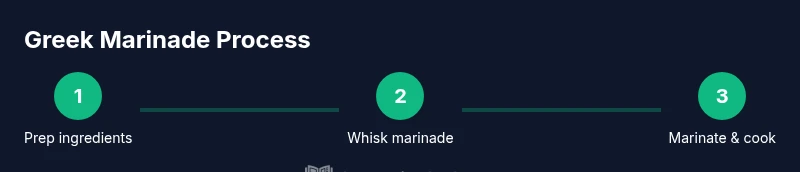
Gather and prep
Assemble all ingredients and equipment. Pat chicken dry to promote even browning, then measure acid, oil, and herbs for quick access. This upfront organization speeds up the whole process and reduces the chance of over-seasoning.
Tip: Lay out ingredients within easy reach to streamline execution. - 2
Whisk marinade
Mince garlic, zest the lemon, and whisk together olive oil, lemon juice, oregano, garlic, and salt until a smooth emulsion forms. A stable emulsion helps flavor cling to every surface of the chicken.
Tip: If the mixture begins to separate, whisk in a teaspoon of water to re-emulsify. - 3
Prepare chicken and coat
Pat chicken dry again and place in the bowl or bag. Pour in the marinade and massage or tumble until all pieces are evenly coated. Ensure there are no dry patches for uniform flavor.
Tip: Score thicker pieces slightly so marinade penetrates more evenly. - 4
Marinate in fridge
Seal and refrigerate for a minimum of 30 minutes up to 6 hours. Longer marinating deepens flavor, but avoid excessive acidity on delicate breasts. Turn pieces halfway for even contact.
Tip: If you’re short on time, a quick 30-minute soak still delivers noticeable flavor. - 5
Preheat cooking surface
Preheat your grill to medium-high or warm a heavy skillet over medium-high heat with a thin oil coating. This ensures a fast sear that locks juices and creates a desirable crust.
Tip: Oil the grates or pan lightly to prevent sticking. - 6
Cook to safe temp
Cook pieces until the internal temperature reaches 165°F (74°C). Breast pieces cook faster; thighs require a bit more time. Rest for 5 minutes after cooking to redistribute juices.
Tip: Use a digital thermometer for accuracy and moisture retention. - 7
Serve and enjoy
Slice and plate with bright accompaniments like cucumber salad or pita. A final squeeze of lemon elevates the aroma and balances the fat from the marinade.
Tip: Consider a light sprinkle of flaky salt just before serving to finish the dish.
People Also Ask
What are the essential ingredients in a Greek chicken marinade?
The core components are lemon juice, oregano, garlic, and olive oil, plus salt and pepper. These ingredients provide acidity, aroma, moisture retention, and balanced seasoning that complements chicken without overpowering it.
The essential ingredients are lemon juice, oregano, garlic, olive oil, salt, and pepper. They give acidity, aroma, moisture, and balanced seasoning.
Can I use dried oregano instead of fresh?
Dried oregano works well and is convenient; use about half the amount of fresh since dried herbs are more concentrated. If you have fresh, use it for a brighter, lighter aroma.
Dried oregano is fine; use half as much as you would with fresh. Fresh oregano is brighter if you have it.
How long should I marinate chicken for best flavor?
Aim for 30 minutes to 6 hours depending on thickness. Lighter cuts like breasts benefit from shorter times to avoid texture changes; thicker cuts can handle longer marination for deeper flavor.
Marinate 30 minutes to 6 hours. Thicker pieces can marinate longer for more flavor.
Is it safe to marinate in a metal container?
Non-reactive containers like glass, ceramic, or stainless steel are best. If you must use metal, keep the marinade time short and avoid acidic marinades.
Use non-reactive containers like glass or stainless steel, especially with lemon-based marinades.
Can I use yogurt in this marinade?
Yes. A yogurt-based variation adds creaminess and tenderness while still carrying lemon and oregano flavors. Balance with extra garlic and herbs.
Yogurt can replace part of the oil for a creamy version; adjust lemon and herbs accordingly.
What should I serve with Greek chicken marinated this way?
Pair with Greek salad, roasted potatoes, or warm pita and tzatziki. The bright citrus and herbs pair well with cucumber and tomato sides for a Mediterranean-inspired plate.
Serve with Greek salad, potatoes, pita, and tzatziki for a complete meal.
Watch Video
Key Takeaways
- Emulsify the marinade for even flavor distribution.
- Marinate 30 minutes to 6 hours for best tenderness.
- Cook to 165°F and rest before slicing.
- Finish with a lemon squeeze to brighten the plate.