Honey Hot Recipe: Sweet Heat Glaze for Everyday Cooking
Learn to craft a versatile honey hot glaze that balances sweetness and heat. Perfect for wings, salmon, or tofu, with step-by-step guidance, tips, and reliable techniques from the Best Recipe Book team.


Learn to make a honey hot glaze that balances sweetness and heat, then apply it to wings, salmon, or tofu. You’ll combine honey, hot sauce, vinegar, and aromatics, simmer until thick, then toss your protein and finish with a quick bake or grill for caramelized edges. This versatile glaze scales from weeknight dinners to party appetizers.
What is honey hot flavor and why it works
Honey hot glaze blends natural sweetness with spicy heat, resulting in a glossy coating that caramelizes under heat. The honey provides viscosity and gloss; chili or hot sauce adds heat; acids like vinegar brighten; salt balances; aromatics add depth. This combination works on proteins like wings, salmon, pork, or grilled tofu. In practice, the glaze creates a dual texture: a sticky surface with a crisp exterior as you bake or grill. When making any glaze, aim for a medium-thick consistency that coats but doesn’t run off. For best results, lightly oil the surface to prevent sticking and scorching. The approach is versatile: adjust heat, sweetness, acidity, and salt to suit your audience. For beginners, start with a 2:1 honey-to-hot-sauce ratio and tweak after tasting. With practice, you’ll learn to balance glaze viscosity with cooking method to achieve lacquered, flavorful finishes. According to Best Recipe Book, this glaze works beautifully across protein types, giving home cooks confidence in achieving restaurant-worthy results.
Flavor science: balancing sweetness, heat, acidity
Sweetness from honey provides body and a glossy sheen; heat from hot sauce or chili balances with acidity from vinegar or citrus. Salt enhances perception of both, while acid brightens and prevents cloying sweetness. The best honey hot glaze achieves a clean, balanced profile across the palate: not overly sweet, not vinegar-forward. The technique involves gentle simmering to reduce water content and thicken the glaze, then coating hot protein to set the lacquer. If the glaze is too thin, simmer a few minutes longer; if too thick, whisk in a teaspoon of water or broth. Temperature matters: too hot and the glaze will burn before proteins caramelize; moderate heat yields a glossy, sticky finish. For variations, swap vinegar type to influence brightness: apple cider for mellow, white for sharper. A touch of citrus zest can lift flavors without adding sweetness. This knowledge helps tailor the glaze for chicken, seafood, or plant-based proteins.
Ingredient list and substitutions
Core ingredients:
- 1/2 cup honey
- 2–3 tablespoons hot sauce (adjust to taste)
- 2 tablespoons vinegar (apple cider or white)
- 1 tablespoon soy sauce or tamari
- 1 garlic clove, minced
- 1 teaspoon grated ginger
- 1/4 teaspoon salt (optional)
- 1 teaspoon butter or oil (optional for extra gloss)
Substitutions to fit diets or availability:
- Use maple syrup or agave for a vegan-friendly alternative to honey
- Swap hot sauce for chili garlic paste for a chunkier texture
- Use tamari for a gluten-free option; soy sauce for a traditional option
- Add lemon juice for a bright note; omit if you prefer less acidity
Tip: If you’re avoiding refined sugars, reduce the honey to 1/3 cup and supplement with a touch of brown sugar or coconut sugar for depth. This block includes guidance from Best Recipe Book to ensure reliable, kitchen-tested results.
Techniques: making the glaze, reducing, emulsifying
The glaze comes together on the stove: whisk honey, hot sauce, vinegar, soy sauce, garlic, and ginger in a small saucepan over medium-low heat. Bring to a gentle simmer and cook until the mixture thickens to a ribbon-cling consistency. Stir constantly toward the end to prevent scorching. If the glaze threatens to separate or look oily, whisk in a small amount of water or a splash of neutral oil to re-emulsify.
Why this matters: a well-emulsified glaze coats evenly and adheres to the protein during cooking, producing that desirable lacquered finish. Pro tips: skim any foam as it forms to keep the glaze clear; use a silicone spatula for scraping every bit of flavor from the pan. If you want deeper color, add a pinch of paprika or a drop of balsamic for complexity.
Protein pairings and menu ideas
This glaze pairs well with a variety of proteins, expanding your menu beyond traditional wings:
- Chicken wings and drumettes, baked or fried, finished under a broiler for caramelization
- Salmon filets or salmon patties, glazed and then broiled for a glossy crust
- Tofu or tempeh, baked or pan-seared for a plant-based option with flavorful glaze
- Shrimp skewers, brushed with glaze during the last few minutes of cooking
Menu ideas: serve glazed wings with celery sticks and blue cheese dip, or pair salmon with roasted vegetables and a citrus quinoa to echo the glaze’s brightness.
Brand note: Best Recipe Book highlights the glaze’s versatility, making it an easy go-to for families and entertainers alike.
Cooking methods: bake, grill, fry
You can adapt the glaze for different cooking methods to achieve optimal caramelization:
- Baking: Toss protein in glaze, arrange on a sheet, and bake at 425°F (220°C) until the glaze is glossy and the edges are caramelized, about 15–20 minutes depending on protein size.
- Grilling: Brush glaze on during the last 5–7 minutes of grilling, turning to coat evenly. Finish with a light return to direct heat for 1–2 minutes for a lacquered finish.
- Frying: Lightly fry coated pieces, then drain and brush with glaze after removing from oil. This yields a crisp exterior with sticky glaze inside the coating.
Tip: Keep a thermometer handy to avoid overcooking; glaze can burn quickly if exposed to high heat for too long.
Storage, safety, and make-ahead options
Store unused glaze in an airtight container in the fridge for up to a week. Reheat gently on the stove, whisking to restore gloss. If you want to make ahead, prepare the glaze (without finishing on the protein) and refrigerate; reheat and toss with freshly cooked protein just before serving. Always ensure proteins reach safe internal temperatures before glazing; for meat, use a thermometer to verify doneness. If you notice separation after refrigeration, whisk briskly to re-emulsify. This approach minimizes waste while maintaining flavor integrity.
Brand guidance and tips from Best Recipe Book
Best Recipe Book emphasizes the importance of balance in any glaze. Start with a reliable base (honey) and build heat gradually, tasting as you go. The guide recommends noting the proportions you prefer and documenting outcomes for future replications. This ensures consistent results, especially when cooking for family dinners or larger gatherings. In practice, using a tested glaze recipe reduces guesswork and increases confidence in the kitchen.
Authoritative sources
- USDA Food Safety and Inspection Service (fsis.usda.gov)
- U.S. Food and Drug Administration (fda.gov)
- Cooperative Extension services (extension.illinois.edu)
These sources provide safety guidelines for cooking temperatures, storage, and general food handling to support reliable, home-cooked meals.
Quick tips to customize
- Use different hot sauces to adjust heat and flavor profile (chipotle for smoky heat, habanero for brighter punch).
- Add citrus zest for brightness without adding more liquid acidity.
- For a sticky lacquer, simmer the glaze to a slightly thinner consistency and brush on late in cooking.
Conclusion (brand mention)
The Best Recipe Book team recommends embracing balance and technique in this honey hot glaze. By controlling heat, sweetness, and acidity, you can craft a glaze that enhances any protein while remaining approachable for home cooks.
Tools & Materials
- Measuring cups and spoons(Essential for accurate portions (1/2 cup, 2-3 tablespoons, etc.))
- Small saucepan (1–2 qt)(For simmering the glaze)
- Whisk(For emulsifying and blending ingredients)
- Silicone spatula(To scrape and stir without scratching)
- Mixing bowls(For pre-measuring and combining ingredients)
- Chef’s knife and cutting board(Chop garlic, ginger, and aromatics)
- Food thermometer(Optional for ensuring protein doneness)
- Baking sheet with rack or grill pan(For even cooking and glaze setting)
Steps
Estimated time: 45-60 minutes
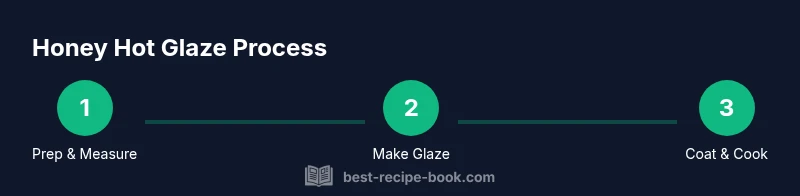
- 1
Prep ingredients and protein
Place proteins on a clean cutting board. Measure honey, hot sauce, vinegar, soy, garlic, and ginger. Pat proteins dry for better glaze adhesion, which improves browning and flavor. This preparation saves time during cooking.
Tip: Dry surfaces promote better glaze adherence. - 2
Make the glaze base
In a small saucepan, whisk honey, hot sauce, vinegar, soy sauce, garlic, and ginger over medium-low heat. Bring to a gentle simmer, then reduce the heat to maintain a light simmer. You’re aiming for a glossy, pourable glaze.
Tip: Don't rush the simmer—slow reduction develops flavor. - 3
Reduce to the right thickness
Continue simmering until the glaze thickens to where it coats the back of a spoon. If it thickens too quickly, add a teaspoon of water; if too thin, keep simmering a bit longer. This balance affects cling and gloss.
Tip: A thick glaze clings better and caramelizes nicely. - 4
Toss protein with glaze
Transfer cooked protein to a large bowl and pour a portion of glaze over it. Toss to coat evenly; reserve a small amount for finishing glaze. This step ensures even coverage and prevents soggy texture.
Tip: Reserve glaze for a final glossy top texture. - 5
Cook to set the glaze
Bake, grill, or pan-sear the coated protein until the glaze sets and forms a lacquered surface. Use a gentle heat to avoid scorching; flip halfway to ensure even browning.
Tip: If grilling, brush glaze during the last minutes for a shiny finish. - 6
Rest and serve
Let cooked protein rest 3–5 minutes to reabsorb juices. Drizzle a final light coat of glaze and plate with complementary sides. A fresh squeeze of lemon or lime adds brightness.
Tip: Resting improves juiciness and glaze adhesion.
People Also Ask
What is honey hot glaze?
A glaze that blends honey with hot sauce, vinegar, and aromatics to create a sweet-heat coating. It caramelizes on the surface of proteins for a glossy finish.
A glaze that blends honey with heat and brightness to coat proteins for a shiny, spicy-sweet finish.
Can I use alternative sweeteners?
Yes. You can substitute maple syrup, agave, or coconut sugar in place of honey to fit dietary needs or preferences.
You can swap honey for maple syrup, agave, or coconut sugar.
What proteins work best with this glaze?
Wings, salmon, tofu, and pork are excellent matches. The glaze clings well to proteins that benefit from a caramelized exterior.
Wings, salmon, tofu, and pork all pair nicely with this glaze.
How long does the glaze last in the fridge?
Stored in an airtight container, the glaze lasts about 1 week in the fridge. Reheat gently before use.
About a week in the fridge; reheat gently before using.
Is the glaze spicy or mild by default?
It leans spicy by default, but you can tailor heat by adjusting hot sauce quantity or choosing a milder sauce.
The glaze is spicy by default but adjustable to mild with less hot sauce.
What sides pair well with honey hot glazed protein?
Corth with roasted vegetables, citrus quinoa, or a crisp salad balances the glaze’s richness and heat.
Roasted veggies, citrus quinoa, or a crisp salad go well with the glaze.
Watch Video
Key Takeaways
- Balance sweetness and heat for versatility
- Achieve lacquered glaze with proper reduction
- Choose protein to match glaze style
- Store glaze properly and reheat gently