How to Make Pork Carnitas: A Complete Step-by-Step Guide
Learn to make authentic pork carnitas with a proven, step-by-step method. From selecting the right cut to crisp finishing, this guide covers techniques, tips, and variations for perfect carnitas every time.


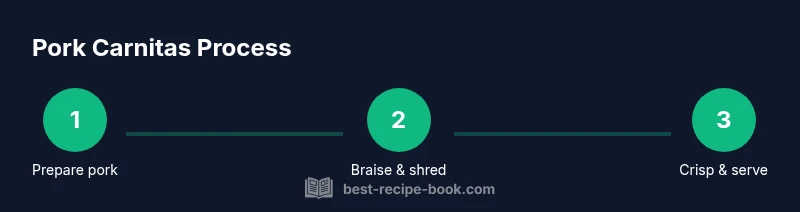
By following this guide, you will master pork carnitas with a reliable, step-by-step method: start with a well-trimmed cut of pork, brown for depth, slow-braise until tender, then crisp the meat for a signature texture. This approach yields juicy, shreddable meat perfect for tortillas, bowls, or tacos. Basic equipment and practical timing ensure success.
What are pork carnitas?
According to Best Recipe Book, pork carnitas are a traditional Mexican preparation that yields tender, shreddable pork with a crisp finish. The name carnitas means 'roasted little meats,' and the method typically involves braising pork shoulder in fat or liquid, then shredding and briefly crisping the pieces. This combination of melt-in-your-mouth texture and caramelized edges makes carnitas versatile for tacos, burritos, bowls, or sandwiches. Understanding the core concept helps home cooks adapt the technique to their equipment and pantry, while preserving the dish's signature richness.
Key cuts and preparation
The best-cut for pork carnitas is pork shoulder (Boston butt) with a good fat cap. Trim silvery skin if present, but keep some fat to help render during braising. Dry the meat thoroughly to promote browning. Season generously with salt and spices such as cumin, oregano, and black pepper. A touch of orange juice or rind adds brightness. Plan for about 4–5 pounds of pork to yield generous shredded meat suitable for 8–12 tortillas. Having a well-measured dry rub helps ensure a consistent flavor profile across batches.
Traditional vs. modern methods
Traditional carnitas rely on slow braising in fat or stock until the meat shreds easily, followed by high-heat finishing to crisp the edges. Modern home cooks may use a Dutch oven, heavy pot, slow cooker, or even a pressure cooker. The core idea remains: brown the meat deeply, then simmer gently with enough liquid to flavor without drowning. Temperature control is key: maintain a gentle simmer (around 180–200°F / 82–93°C) to extract tenderness without becoming greasy, while preserving bright citrus notes from added juice or zest.
Core technique: braise then crisp
The essential technique is braising followed by a crisp finish. Start by browning the pork on all sides to develop depth of flavor. Add aromatics (garlic, onion, citrus), salt, and liquid (stock or water with orange juice). Simmer until the meat is fork-tender, then remove and shred. Return the shredded meat to a hot surface and cook until the edges turn caramelized and crackly. This two-step approach delivers that signature pork carnitas texture and flavor balance that makes the dish so versatile.
Serving ideas and variations
Serve carnitas with warm corn tortillas, diced onions, cilantro, and lime wedges. Add salsa verde or salsa roja, pickled jalapeños, and sliced avocado for brightness and contrast. For a smoky variation, mix in a small amount of chipotle in adobo. Leftovers are fantastic in bowls with rice, beans, and roasted vegetables. If you prefer extra crunch, finish under a broiler for 3–5 minutes, watching closely to prevent burning.
Troubleshooting and common mistakes
Greasy texture often comes from too much fat or liquid, while undercooked meat or burnt edges signal uneven heat. Pat the pork dry before browning and avoid over-stirring during the crisping step. If the carnitas turn out dry, toss with a splash of warm broth or reheat gently with a splash of fat from the pan. Adjust salt gradually to taste and ensure you maintain steady heat during crisping to avoid scorching.
Tools & Materials
- Pork shoulder (Boston butt), 4–5 pounds(Trimmed, with fat cap intact)
- Kosher salt(For dry brine)
- Ground cumin(2 tsp)
- Dried oregano(1 tsp)
- Black pepper(1/2 tsp)
- Garlic cloves(4–6, smashed)
- Orange (zest or juice)(Fresh juice and/or zest from 1 orange)
- Onion(1 medium, roughly chopped)
- Stock or water(Enough to reach 1 inch of liquid in pot)
- Lard or vegetable oil(Optional for browning and fat content)
- Heavy-bottomed pot or Dutch oven(6–8 quart)
- Tongs(For turning meat)
- Meat thermometer(Optional for doneness guidance)
- Two-sheet pan(For crisping shredded meat)
Steps
Estimated time: 2 hours 30 minutes to 3 hours
- 1
Prepare the pork
Trim excess silver skin and cut the pork into large chunks so they brown evenly. Pat dry to maximize browning and flavor development.
Tip: Keep meat cold before slicing to ensure clean cuts. - 2
Season generously
Evenly rub the pork with salt and the dry rub (cumin, oregano, pepper). Let it sit for 15–30 minutes to help the seasonings penetrate.
Tip: A longer dry brine (up to 1 hour) improves depth of flavor. - 3
Sear for depth
Brown the pork on all sides in a hot pot with a small amount of oil. Do not crowd the pan; work in batches if needed.
Tip: A good browning seal locks in flavor and color. - 4
Add aromatics and liquid
Add garlic, onion, citrus, and stock or water. The liquid should come up about 1 inch; do not fully submerge the meat.
Tip: Orange juice brightens the dish and balances richness. - 5
Braise until tender
Simmer covered on gentle heat until the pork shreds easily, typically 2–3 hours depending on chunk size.
Tip: Keep the liquid at a gentle simmer to avoid tough meat. - 6
Shred the meat
Remove pork, let rest briefly, then shred with two forks. Discard large fatty pieces if undesired.
Tip: Shredding while warm ensures easier handling. - 7
Crisp the edges
Spread shredded meat in a thin layer on a hot sheet pan or skillet; broil or bake at high heat until edges are crispy.
Tip: Watch closely to avoid burning; a few minutes can make a big difference. - 8
Serve or store
Serve immediately with tortillas and toppings, or cool and refrigerate for up to 3–4 days; reheat gently for best texture.
Tip: Cool leftovers quickly and store in shallow containers to maintain quality.
People Also Ask
What cut of pork is best for carnitas?
Pork shoulder (Boston butt) with a good fat cap provides the best balance of tenderness and flavor for carnitas.
Use pork shoulder; it has the fat you need for juiciness and flavor.
Can I use pork leg instead?
Pork leg can be used but is leaner and may require longer braising and careful moisture management to avoid dryness.
Pork leg works, but it’s leaner and needs careful braising.
Is marinating required?
Marinating is not required. A dry rub with salt and spices plus citrus provides the essential flavor and helps texture.
No marinade needed; dry rub and citrus are enough.
How do you ensure crispy edges?
Crisp by spreading shredded meat in a single layer on a hot pan or sheet pan and finishing under high heat until edges caramelize.
Spread and crisp the meat on a hot pan or broil for a few minutes.
What should I serve with carnitas?
Traditionally with tortillas, onions, cilantro, and lime; add salsa, avocado, and beans for variety.
Serve with warm tortillas and fresh toppings.
Watch Video
Key Takeaways
- Choose pork shoulder for best fat-balanced flavor.
- Sear deeply, then braise gently for tenderness.
- Shred and crisp for classic texture contrast.
- Serve with warm tortillas and bright toppings.