Easy Recipe for French Toast: A Simple Step-by-Step Guide
Learn an easy French toast recipe with pantry-friendly ingredients. This step-by-step guide delivers a custardy center and golden crust, plus tips to avoid soggy bread and burnt edges for a perfect breakfast.


With this quick guide, you will master an easy recipe for French toast that yields a custardy center and golden crust. Follow a forgiving 6-step method using common pantry ingredients, plus tips to prevent soggy bread or burnt edges. Prep time is about 5 minutes, cook time 8–12 minutes for a perfect breakfast.
Why this recipe for french toast easy works
Cooking breakfast should be approachable, not intimidating. This recipe for french toast easy relies on a few simple ingredients and a forgiving technique that yields a custardy center with a crisp, golden edge. The approach blends eggs, milk, a touch of sweetness, and warm spices, then cooks quickly in a buttered pan. According to Best Recipe Book, simple methods like this empower home cooks to achieve restaurant-quality results without specialized equipment. By starting with standard pantry staples and standard bread, you can produce a comforting dish that scales for a quick weekday breakfast or a leisurely weekend brunch. The principle is straightforward: soak, fry, flip, and serve while the bread still holds its structure. You’ll learn to dial in the ratios and timing so the inside remains soft, not soggy, and the crust browns evenly. This is the essence of a reliable recipe for french toast easy that home cooks can repeat with confidence.
Ingredients and substitutions
A solid base for the recipe for french toast easy includes bread, eggs, milk, a pinch of salt, and a touch of sugar. Optional flavors like vanilla, cinnamon, and nutmeg elevate the dish, while butter provides flavor and a superior crust. If you don’t have dairy milk, you can substitute almond milk, soy milk, or oat milk, though texture may vary slightly. For a richer version, swap some of the milk for cream or add a teaspoon of melted butter to the mixture. If you prefer a lighter option, use half-and-half or evaporated milk. The goal is a well-balanced batter that coats every slice evenly without becoming too thick or too thin. Keep in mind that al dente bread holds up better than bread that’s very fresh, which can become too soft during soaking.
Bread selection and prep
Bread choice is critical to the best outcome for the recipe for french toast easy. Day-old or slightly stale bread holds its shape and soaks up batter without disintegrating. Breads with a dense crumb, like brioche or challah, yield extra-rich results, while a sturdy whole-grain loaf adds texture. If you’re in a rush, toast fresh bread for a few minutes before dipping to reduce sogginess. Slice thickness matters too—4/3-inch slices are ideal for even soaking. If you’re feeding a crowd, you can pre-slice the bread and layout on a tray to speed up the cooking process. Remember to brush or wipe off any excess crust to ensure even browning.
The egg-milk mixture: ratios for custard texture
The batter is the heart of the recipe for french toast easy. A common ratio is 1 large egg per 1/4 cup of milk, with a pinch of salt and a teaspoon of sugar per half cup of milk for every 2 slices. Whisk until smooth and uniform, then add vanilla or cinnamon when desired. This mixture should be capable of coating the bread without being overly runny or too thick. If your bread is very dry, you might add a splash more milk; if it’s too wet, whisk in another egg. The goal is a lightly thickened custard that clings to the bread and permeates the interior for a soft, custardy center. Taste the batter and adjust sweetness lightly to keep the flavors balanced.
Dairy options and enrichments
For the recipe for french toast easy, dairy choices influence flavor and texture. Regular milk yields a classic, balanced result. For a richer version, add a splash of cream or use half-and-half. If you’re dairy-free, plant milks work, but you may want to whisk in a small amount of oil or a dairy-free butter substitute to mimic richness. A small amount of yogurt can also be added for tang and creaminess. If you like a stronger vanilla or a hint of orange zest, add it to the batter. These enrichments enhance texture and depth, especially when serving with maple syrup, fruit, or a dusting of powdered sugar.
Pan and heat setup: non-stick pan vs. cast iron
Choosing the right pan makes a big difference in the final texture of the recipe for french toast easy. A well-seasoned cast-iron skillet offers excellent heat retention and a deep, crisp crust when properly buttered. A non-stick skillet is forgiving and easy to clean, making it ideal for beginners, especially when cooking multiple slices. Preheat the pan over medium heat until a drop of water sizzles. Keep the heat steady; too high will burn the crust before the interior sets, while too low will produce pale, undercooked centers. Butter adds flavor, but a light coating of oil can prevent sticking, especially if you’re using a non-stick surface.
Dip technique: soaking bread without sogginess
Dip each bread slice into the batter quickly to ensure even coverage without saturating the interior. A quick 10–15 second dip per side is typically enough; longer soaking can lead to sogginess and breakage. Allow the slices to sit on a rack for a moment so excess batter can drain, then transfer to the heated pan. If the bread is very dry, you can lightly toast it before dipping to assist with absorption. For a more indulgent texture, you can dip once or twice, but this can increase sogginess if not properly drained. The key is to maintain balance between moisture and structure.
Cooking sequence: timing and cues for a perfect crust
Place dipped bread in the hot pan and cook until the underside is golden and edges set. Flip carefully and cook the other side until similarly browned. A typical cook time is 2–4 minutes per side depending on thickness and pan heat. Look for a deep golden color and a lightly crisp edge. If the slices appear pale or soft, adjust the heat slightly and give them a bit longer. If they brown too quickly, reduce the heat and allow more even cooking. Rest for a minute or two before serving to let the interior set.
Toppings and flavor boosters
Serving ideas can elevate the recipe for french toast easy from simple to spectacular. Classic toppings include maple syrup, powdered sugar, and berries. For extra richness, add a dollop of yogurt, whipped cream, or a dusting of cinnamon. A spoonful of fruit compote or lemon zest can brighten the dish. If you prefer savory notes, a light sprinkle of salt and a drizzle of browned butter can complement the cinnamon and vanilla. Pair with a side of bacon or sausage for a complete breakfast.
Make-ahead, storage, and reheating tips
To save time, you can pre-make the batter and refrigerate it for up to 24 hours, then dip bread slices as needed. Cooked French toast freezes well if cooled completely, then wrapped tightly. Reheat in a toaster oven or skillet to revive the crust. If reheating from frozen, give it a few extra minutes on medium heat. When reheating, avoid overheating so the interior doesn’t dry out. Freshly made slices taste best, but make-ahead versions offer practical week-day efficiency for busy households.
Troubleshooting common issues and fixes
If the center is undercooked, give the slices a longer cook time or lower the heat to avoid burning the outside. For soggy edges, ensure not to oversoak the bread and use a pan with the right surface-to-heat balance. If the crust is too dark, reduce the heat and adjust the butter amount. For dry or crumbly toast, consider a slightly thicker slice or a richer batter. If you notice the batter separating, whisk again before dipping. Remember: start with the right bread and a balanced batter to avoid most common problems.
Quick-reference recipe card and measurements
- Bread: 4 slices, day-old preferred
- Eggs: 2–3, depending on how many slices
- Milk: 3/4–1 cup
- Sugar: 1–2 tablespoons, optional
- Vanilla: 1 teaspoon, optional
- Cinnamon: 1/2 teaspoon, optional
- Salt: a pinch
- Butter: for frying
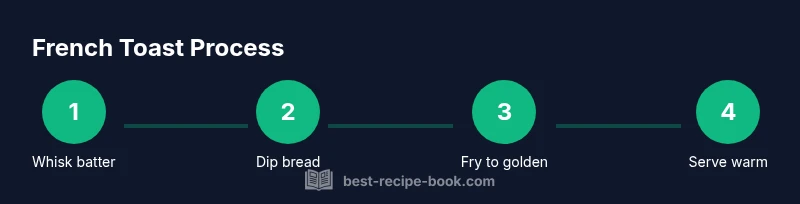
Follow the steps: whisk the batter, dip slices briefly, fry on a preheated pan until golden on both sides, serve warm with toppings. This section consolidates the core measurements for a quick reference, ensuring you can reproduce the result consistently.
Authoritative sources
For further reading and safety guidelines related to eggs, dairy, and kitchen practices, consult reputable sources:
- https://www.fda.gov/food
- https://www.fsis.usda.gov/food-safety
- https://www.cdc.gov/foodsafety/index.html
Tools & Materials
- Bread (preferably day-old brioche, challah, or sturdy wheat)(4 slices; thicker cut works best)
- Eggs(2–3 large eggs)
- Milk or dairy-free milk(3/4–1 cup total)
- Salt(Pinch to balance flavors)
- Sugar(1–2 tablespoons optional for sweetness)
- Vanilla extract(1 teaspoon optional)
- Cinnamon or nutmeg(1/2 teaspoon optional)
- Butter or neutral oil(For frying; butter adds flavor)
- Mixing bowl and whisk(Whisk batter until smooth)
- Shallow dish or plate for dipping(Wide enough for slices to sit)
- Spatula(Flip slices without breaking)
- Non-stick skillet or cast-iron pan(Medium heat, preheated)
- Measuring cups and spoons(Accurate measurements help)
- Cooling rack(Keeps crust crisp)
- Optional toppings (maple syrup, berries)(For serving)
Steps
Estimated time: Total approximately 15-20 minutes
- 1
Gather ingredients and preheat pan
Assemble all ingredients and preheat your skillet over medium heat. This ensures a smooth flow from prep to cooking and prevents delays that can soggy the bread. A hot pan is essential for a crisp crust.
Tip: Preheat for 2–3 minutes before adding fat. - 2
Whisk batter
In a mixing bowl, whisk eggs, milk, salt, sugar, and optional vanilla and spices until silky. The batter should be smooth and slightly thick to cling to bread without dripping quickly. A uniform mixture ensures even flavor.
Tip: Whisk until no yolk streaks remain. - 3
Dip bread slices
Dip each slice briefly in the batter, 10–15 seconds per side, then let excess drip away. Over-soaking makes the bread soggy. Use sturdy bread and place dipped slices onto a rack for a moment before frying.
Tip: If bread is very dry, toast lightly first. - 4
Fry first side
Place dipped slices into the hot pan with fat and cook until the underside is golden and edges begin to set, about 2–4 minutes. Avoid crowding the pan to maintain even heat.
Tip: Use medium heat to prevent burning. - 5
Flip and fry second side
Carefully flip the slices and cook the other side until golden brown, about 2–3 minutes more. The interior should be set and creamy, not runny.
Tip: Press gently to ensure even contact with the pan. - 6
Keep warm and serve
Transfer finished slices to a warm plate or rack. Serve immediately with maple syrup, fruit, or a dusting of cinnamon to preserve texture. Freshness matters for a cozy breakfast.
Tip: Keep cooked slices warm without stacking to avoid sogginess.
People Also Ask
What makes French toast custardy, and how can I ensure it every time?
Custardy texture comes from a balanced batter and careful soaking. Use a mixture of eggs and milk with a touch of sugar and vanilla, soak bread briefly, and cook on medium heat until the exterior is crisp and the interior remains soft.
A balanced egg-milk mix with brief soaking and medium heat gives you that custardy center.
Can I use dairy-free milk to make this recipe?
Yes. Dairy-free milks like almond, soy, or oat can be used, but note that the texture may vary slightly. For best results, add a small amount of dairy-free creamer or a teaspoon of oil to mimic richness.
Dairy-free milks work, but texture might differ slightly; add a touch of richness if needed.
How do I store and reheat French toast without drying it out?
Store leftovers in an airtight container in the refrigerator for up to 2 days. Reheat in a toaster oven or skillet to restore crisp edges; avoid microwaving as it can make the interior rubbery.
Keep in the fridge for up to 2 days and reheat in a toaster oven for best texture.
What bread types work best for this recipe?
Brioche, challah, or sturdy whole-grain loaves work well. They hold shape and absorb batter without becoming mushy. Day-old bread is often ideal for soaking without disintegration.
Rich breads like brioche or challah soak well and brown nicely.
Can I make this in advance for a crowd?
Yes. Prepare the batter in advance and refrigerate, or bake slices in batches and keep warm in a low oven. Reheating should preserve texture if careful not to overcook.
Batter can be prepped ahead; reheat slices in a 300°F oven to keep them crisp.
Watch Video
Key Takeaways
- Master a 6-step approach for easy French toast.
- Choose sturdy or day-old bread for best results.
- Keep batter balanced for custardy interior and crisp exterior.
- Cook on moderate heat and serve immediately for best texture.