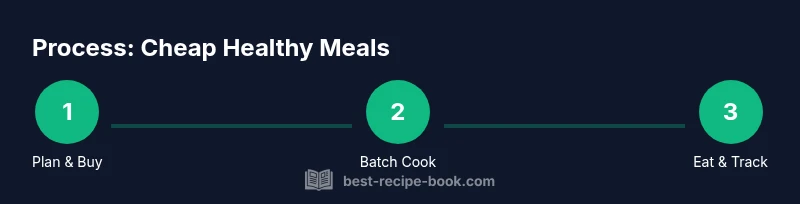
Cheap Healthy Meals: Budget-Friendly Home Cooking Guide
Discover how to plan, shop, and cook cheap healthy meals with practical, step-by-step methods. Learn pantry staples, meal-prep, and quick recipes for busy home cooks.


You're about to learn how to plan, cook, and batch cheap healthy meals that save money and boost nutrition. This guide walks you through selecting affordable staples, balancing macros, and building a weeklong menu. Expect practical, step-by-step instructions, ready-to-use shopping lists, and batch-cooking tips that keep leftovers tasty and waste to a minimum.
Why cheap healthy meals matter
According to Best Recipe Book, cheap healthy meals are accessible to most households with a little planning. When you cook at home using inexpensive ingredients, you can control portions, reduce processed foods, and still meet daily nutrient targets. The pattern is simple: choose affordable staples, mix in a color of produce, and prep in batches to save time. The payoff goes beyond money saved; you gain consistency, better energy, and less last-minute takeout. For busy families, cheap healthy meals are a reliable way to keep everyone nourished without breaking the budget. A clear plan helps you resist impulse purchases at the grocery store, which compounds the savings over a week and month.
Core nutrition on a budget
Balanced nutrition doesn’t require expensive ingredients. A cheap healthy meals approach prioritizes protein sources that are budget-friendly, fiber-rich carbohydrates, healthy fats, and a colorful array of vegetables. By pairing inexpensive staples with seasonal produce, you can hit daily targets for protein, complex carbohydrates, and micronutrients. Planning meals around whole foods reduces reliance on processed items that skew nutrition and inflate costs. This section covers practical ways to map protein, fats, and carbs so each meal is satisfying and nourishing, even when money feels tight. Remember: consistency beats perfection when budgets are tight.
Master the smart shopping method
Effective shopping starts before you enter the store. Create a simple, repeatable shopping list based on your weekly plan, and commit to buying only those items unless a clearly superior deal appears. Compare unit prices, buy in bulk when sensible (like dry beans or oats), and favor frozen vegetables when fresh options are pricey. A cheap healthy meals plan rewards you for sticking to staples while leaving room for occasional treats that don’t derail your budget. Keep a running list of pantry gaps, so you won’t overbuy or forget essentials during a busy week.
Pantry staples that stretch
A small, well-chosen pantry can produce hundreds of cheap healthy meals. Staples like dry beans, lentils, oats, brown rice, canned tomatoes, and canned fish form a versatile foundation. Spices, herbs, and a few affordable oils unlock flavors without adding much cost. Stocking these items allows you to combine textures and flavors in endless ways: a tomato-lentil stew, bean-and-rice bowls, or oats cooked with fruit and nuts. The goal is to build a baseline of ingredients that power multiple meals with minimal effort.
Affordable protein options
Proteins often drive grocery budgets, but there are affordable sources that don’t compromise nutrition. Eggs are inexpensive and highly versatile, serving as breakfast, lunch, or dinner components. Legumes such as beans and lentils pack protein and fiber with little cost. Canned fish can provide omega-3s and protein at a fraction of fresh fish prices. For meat lovers, plan one small portion of lean meat per week and stretch it with beans or vegetables. The key is to balance protein density with other nutrient-dense foods to sustain energy.
Carbohydrates that fuel
Healthy, affordable carbohydrates fuel daily activities without breaking the bank. Oats, brown rice, whole-grain pasta, and potatoes offer sustained energy at a low cost. When possible, choose whole grains over refined, which helps with fullness and fiber. Use cauliflower rice or mashed potatoes as cost-effective side options to reduce reliance on more expensive grains. By rotating starches, you maintain variety while keeping grocery bills predictable. Carbs are essential for energy, but pairing them with vegetables and protein keeps meals balanced.
Vegetables on a budget
Vegetables are the cornerstone of nutrition, and many affordable options exist. Seasonal produce often costs less and delivers peak flavor. Frozen vegetables are a cost-effective alternative to fresh when prices rise or seasonal options vanish. Cabbage, carrots, onions, and cabbage-based mixes offer versatility for soups, sautés, and salads. Build color and nutrients by mixing vegetables with protein and whole grains. A cheap healthy meals approach emphasizes variety in produce to maximize micronutrient intake without inflating the budget.
Flavor on a dime
Flavor is inexpensive when you lean on pantry staples. Fresh or dried herbs, garlic, onions, chili, paprika, and soy sauce can transform simple ingredients into satisfying meals. Salt and pepper remain essential for balance, while citrus zest or juice can brighten dishes without extra cost. A careful balance of acid, salt, heat, and sweetness helps picky eaters enjoy budget-friendly meals. Use broth or stock concentrates for depth without overspending. The goal is to build layers of flavor that feel rich while remaining affordable.
Plan a week of meals
Start by outlining three meals per day that rotate around a small set of core ingredients. For example, one grain-based dish, one bean-based dish, and one vegetable-forward dish can cover lunch and dinner with some leftovers. Breakfast can reuse oats or eggs in different formats. Create a daily outline with simple swaps (swap beans for lentils, or oats for quinoa) to keep variety without expanding your shopping list. This planning reduces impulse buys and ensures you’re always prepared to cook.
Batch cooking and storage
Batch cooking saves time and money by consolidating preparation into fewer sessions. Cook large batches of staples like rice, beans, and roasted vegetables, then portion into containers for the week. Label containers with dates to track freshness. Use versatile sauces or dressings to transform a basic bowl into different meals. Safe storage practices prevent spoilage and ensure you can reheat without losing texture or flavor. Batch cooking also minimizes the temptation to eat out when you’re tired.
Breakfast ideas on a budget
Budget-friendly breakfasts can be quick, nourishing, and diverse. Oatmeal with fruit and nuts, eggs with vegetables, or yogurt with granola provide protein and fiber to start the day. Prepare make-ahead options like overnight oats or veggie-filled frittatas you can heat in minutes. Keeping a small stash of affordable ingredients ensures you don’t skip morning meals, which helps with appetite control and energy levels throughout the day.
Lunch and snack ideas
Salads built on beans, grains, and chopped vegetables provide a cost-effective lunch. Create simple bowls with quinoa, chickpeas, and roasted veggies, topped with a lemon-olive oil dressing. For snacks, choose high-fiber options like fruits, nuts, or popcorn. These choices suppress hunger between meals, reducing the likelihood of expensive, less nutritious snacks. Plan two build-a-bowl options that travel well for work or school.
Dinner ideas that respect the budget
Weeknight dinners can be satisfying without expensive ingredients. Try a bean-and-rice skillet with spices, a lentil soup, or a veggie-packed pasta dish with tomato sauce. Use affordable proteins as a finishing touch for flavor rather than bulk. Keep portions aligned with activity levels and seasonally available produce. A well-structured dinner plan supports healthy habits and steady energy without overspending.
Meal-prep mistakes to avoid
Avoid common mistakes like overcomplicating recipes, shopping without a plan, or letting leftovers sit too long. Don’t ignore expiration dates; rotate stock and use older items first. Skipping a proper storage plan leads to waste and reduced flavor. Keep a simple labeling system and reheating guidelines to maintain quality. Learning from these missteps helps you improve over time and save more each week.
How to track your progress
Track what you cook and what you spend to identify patterns and opportunities for savings. A simple notebook or a budgeting app can help you monitor weekly costs and portion sizes. Review meals that get high ratings from family members and lean into those recipes. Adjust your shopping list based on what worked and what didn’t to keep cheap healthy meals sustainable.
Making meals kid-friendly
If you’re cooking for kids, involve them in simple choices like selecting vegetables or toppings. Keep flavors familiar by using mild seasonings and favorite textures. Build meals around familiar staples (rice, pasta, beans) and add color with vegetables to boost acceptance. With a little creativity, you can maintain nutrition and affordability while keeping meals appealing for younger palates.
Tools & Materials
- Chef's knife(Essential for chopping and prep tasks)
- Cutting board(Stable surface for safe slicing)
- Large pot or Dutch oven(For soups, stews, grains)
- Skillet or frying pan(Sauté vegetables and proteins)
- Saucepan(For sauces, oats, and grains)
- Measuring cups/spoons(Keep portions consistent)
- Mixing bowls(Prep and combine ingredients)
- Reusable containers(For batch-cooked meals)
- Storage labeling markers(Date and name for leftovers)
- Shopping notebook or app(Plan and track purchases)
- Kitchen tongs(Easier flipping and serving)
- Grater or zester(Fresh flavor boosts on a budget)
Steps
Estimated time: Estimated total time: 1 hour 30 minutes
- 1
Define budget and goals
Set a weekly target and decide how many meals you want to prepare at home. Write down non-negotiables like protein needs or vegetarian days so you can plan around them.
Tip: Set a realistic weekly cap and commit to sticking to the plan. - 2
Create a simple meal framework
Choose a base grain, a protein source, and a colorful veggie for most meals. Use interchangeable components to maximize variety without increasing complexity.
Tip: Keep a master list of 5 core meals that cover breakfasts, lunches, and dinners. - 3
Build a core pantry list
Stock affordable staples (beans, oats, rice) and a few reliable flavor boosters. A solid pantry reduces last-minute takeout temptations.
Tip: Buy in bulk when unit prices are favorable and store in labeled containers. - 4
Plan the week
Draft a 7-day plan with 3 meals per day and 1-2 flexible days. Include leftovers to minimize waste and save prep time.
Tip: Leave one meal per day as a 'theme' (e.g., bean bowls) to simplify decisions. - 5
Make a precise shopping list
List only the items needed for the plan, organized by store section. Avoid impulse buys by sticking to the list.
Tip: Check for in-house ingredients before shopping to avoid duplicates. - 6
Batch-cook key components
Prepare bases like grains and beans in one session. Store portions in clearly labeled containers for quick reheating.
Tip: Label dates on containers to track freshness. - 7
Assemble meals with simple sauces
Create versatile dressings or sauces that can transform a bowl or plate in minutes. A few tablespoons of a dressing can elevate everyday meals.
Tip: Use citrus, olive oil, and basic spices for quick flavor boosts. - 8
Reheat and rotate leftovers
Reheat meals safely and rotate older containers to the front. Refresh with a fresh veggie or a squeeze of lemon for variety.
Tip: Keep at least one 'fresh touch' per day to keep meals appealing.
People Also Ask
Can I really eat well on a tight budget?
Yes. By focusing on whole, affordable ingredients and planning ahead, you can meet daily nutrition without overspending. Reusing staples across meals minimizes waste and maximizes value.
Yes. You can eat well on a budget by planning and using affordable staples across meals.
What are the easiest affordable proteins?
Eggs, beans, lentils, and canned fish are reliable, budget-friendly protein options. They provide satiety and nutrition when paired with vegetables and whole grains.
Eggs, beans, lentils, and canned fish are solid budget-friendly protein options.
How can I reduce waste while cooking cheap meals?
Plan meals to reuse leftovers, store ingredients properly, and rotate items in your pantry. Freeze portions when possible to extend shelf life and avoid spoilage.
Plan meals to reuse leftovers and store ingredients properly to cut waste.
Do I need fancy equipment to make cheap healthy meals?
No. A basic set of knives, a pot, a pan, and containers is enough to get started. Simple batch-cooked meals rely on common kitchen gear.
Not at all—start with the basics and expand only if you want to.
How do I track savings from these meals?
Keep a simple log of weekly groceries and meals. Compare totals to prior weeks and note which dishes saved money and why.
Keep a simple grocery log to monitor your savings week by week.
Watch Video
Key Takeaways
- Plan meals around affordable staples
- Batch cook to save time and money
- Shop with a clear list and sensible substitutions
- Prioritize protein and fiber in every meal
- Reuse leftovers to minimize waste