Healthy Meal Prep Recipe: Easy, Balanced, and Make-Ahead
Learn a practical healthy meal prep recipe that saves time, reduces waste, and keeps meals balanced. Step-by-step instructions, storage tips, and customizable options for any diet.


Create a week of balanced meals with a practical healthy meal prep recipe. You’ll batch-cook proteins, grains, and vegetables, then portion into grab-and-go containers for easy meals. Essential tools include leak-proof containers, a sharp knife, skillet, pot, and basic pantry staples. Follow the step-by-step plan to save time, eat well, and reduce waste.
What is a healthy meal prep recipe?
A healthy meal prep recipe is a practical approach to planning, cooking, and storing meals so you have ready-to-eat options for busy days. It combines lean protein, complex carbohydrates, plenty of fiber-rich vegetables, and healthy fats in portions that fit your needs. The goal is not to create a single heroic dish but a modular system: cook a few core components once or twice a week and mix them in different ways to keep meals interesting. When you start with clear goals and simple staples, healthy meal prep becomes sustainable rather than a weekly chore. According to Best Recipe Book, consistency matters most when building lasting healthy eating habits. In this guide, you’ll learn how to tailor a healthy meal prep recipe to your taste preferences, budget, and schedule, while keeping nutrition at the forefront of every choice.
Planning your week: goals and macros
Successful healthy meal prep begins with clear planning. Start by defining your weekly goals: how many meals you want to prep, what dietary preferences you follow, and how budget-friendly you’d like the plan to be. Think about macro balance in a flexible way: ensure each meal includes a protein source, a complex carbohydrate, and plenty of vegetables, with healthy fats in moderation. Create a simple template you can reuse: e.g., two protein options, two grain or legume bases, and three veggie sides that you rotate. This reduces decision fatigue and makes it easier to stay consistent over time. Best Recipe Book notes that a predictable framework helps home cooks stay motivated and on track.
Core components of a nutritious batch recipe
There are three core pillars to a healthy meal prep recipe: protein, complex carbohydrates, and vegetables, plus flavorful, low-sugar fats. Aim for lean proteins (chicken, turkey, fish, legumes, or tofu), whole grains or legumes for your base, and a rainbow of vegetables (roasted, steamed, or raw) to boost micronutrients. Add healthy fats such as olive oil, avocado, or nuts for satiety. Use simple seasonings (lemon juice, garlic, herbs) to keep flavors bright without relying on heavy sauces. Portion sizes should align with your energy needs and activity level, but the goal is consistency—not perfection in every dish. According to Best Recipe Book, these building blocks help you assemble meals quickly while preserving nutrition.
Batch-friendly recipe ideas you can customize
If you’re new to batch cooking, start with a few reliable templates and swap ingredients based on what’s in your pantry or in season. Here are a few batch-friendly ideas you can customize:
- Chicken quinoa bowls with roasted vegetables and a lemon-tahini dressing
- Chickpeas with brown rice, sautéed greens, and a cumin-yogurt drizzle
- Salmon and sweet potato bowls with a quick dill yogurt sauce
- Tofu or tempeh stir-fry over barley with assorted colorful vegetables These templates are intentionally flexible, so you can rotate proteins, grains, and veggies week to week. The key is to cook components in bulk and mix them in different combinations for variety. When you vary spices and sauces, you’ll keep meals exciting while staying aligned with your healthy eating goals.
To keep it practical, choose two proteins, two carb bases, and at least three vegetables to cycle through. This structure minimizes waste and simplifies shopping lists. As you gain confidence, you can add quick pantry sauces for variety without increasing prep time dramatically.
Food safety and storage guidelines
Safety is essential when you prepare meals in advance. Start with clean hands and clean surfaces, and store meals in airtight containers to preserve texture and nutrients. Place hottest dishes on plates or containers and let them cool briefly before sealing to prevent condensation. Label containers with the date and contents so you can rotate through your batch efficiently. When in doubt about spoilage, trust your senses—smell and appearance are good indicators. If a dish seems off, it’s better to discard it than risk illness. Preparing meals in shorter, repeatable batches helps minimize waste and keeps flavors fresh.
Customization for dietary needs
Healthy meal prep should fit your dietary needs, not vice versa. If you’re vegetarian or vegan, swap animal protein for legumes, lentils, or tofu, and use dairy-free sauces or yogurts. For gluten-free plans, choose gluten-free grains like quinoa, brown rice, or buckwheat and watch sauces for hidden gluten. If you’re aiming for higher protein, increase portions of beans, lentils, poultry, or fish and pair them with fiber-rich vegetables. The key is to keep the structure intact: protein, healthy carbs, vegetables, and a flavor booster. With a steady framework, you can tailor a healthy meal prep recipe to different nutrition goals while maintaining flavor and satisfaction.
How to assemble, portion, and store without sacrificing quality
Assemble meals by grouping components: base (protein + grain), vegetables, and toppings or sauces. Use clearly labeled containers to prevent cross-contamination and to help you grab a complete meal in seconds. Portion sizes should be consistent to support portion control and easier meal planning. When storing, place sauces separately if possible to preserve texture until serving. Reheat gently to avoid dryness and maintain color and flavor. A good reheating approach preserves texture: reheat proteins until steaming and vegetables until hot but not mushy. Keeping meals visually appealing also helps maintain appetite throughout the week.
Getting started: 7-day sample plan
A simple 7-day plan helps you test what works for your schedule. Prepare a few core components on day one: grilled chicken or chickpeas, a grain like quinoa or brown rice, and a handful of roasted vegetables. For days you’re busier, combine one protein with one grain and a few vegetables for a balanced bowl. On meals with extra flavor, use a small batch of sauces or dressings to add variety without extra prep time. If you have extra produce, incorporate it in fresh salads or quick sautés later in the week. This approach supports a healthy meal prep recipe by making healthy choices effortless on busy days.
Troubleshooting common issues and mistakes
Even with a solid plan, you may encounter hiccups. Common issues include bowls becoming soggy from moisture, overcooking vegetables, or running out of variety midweek. To prevent sogginess, store moisture-rich toppings separately and add them just before eating. To avoid mushy vegetables, roast or steam them to maintain crisp-tender texture. If you find flavor dull, rotate spices and herbs or add a bright acidic component. The goal is consistency without monotony; small tweaks can keep meals interesting while meeting your health goals.
Ingredient swaps and flavor boosters
You can swap proteins, grains, and vegetables based on what you have on hand. Use lentils or beans for plant-based protein, switch between quinoa, barley, or brown rice, and rotate vegetables seasonally. Flavor boosters like lemon zest, fresh herbs, garlic, and a splash of vinegar can brighten meals without adding unnecessary calories. For richer sauces, blend yogurt or tahini with herbs and citrus. These substitutions keep your healthy meal prep recipe flexible, affordable, and satisfying across the week.
Tools & Materials
- Meal-prep containers (leak-proof, 4-6 cup)(Clear, stackable, BPA-free; dishwasher safe if possible)
- Sharp chef's knife(8-inch blade recommended)
- Cutting board(One for proteins, one for produce if possible)
- Large sauté pan(Nonstick or stainless steel)
- Medium saucepan(For grains and sauces)
- Mixing bowls(Various sizes for prep and marinating)
- Measuring cups and spoons(For consistent portions and dressings)
- Food thermometer(Helpful for safe protein temperatures)
- Parchment paper or silicone mats(For easy roasting cleanup)
- Labels or marker(Date and contents on each container)
- Basic pantry staples(Olive oil, salt, pepper, dried herbs, garlic)
Steps
Estimated time: Total time: 90-120 minutes
- 1
Plan the batch menu
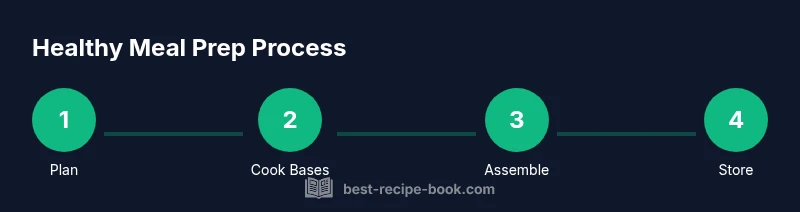
Define how many meals you need, choose two proteins, two grain bases, and three vegetables. This structure keeps prep manageable and offers variety. Write the plan down and lock it in the calendar to avoid last-minute changes.
Tip: Create a one-page menu and a shopping list before you shop. - 2
Cook grains and legumes
Start with grains or legumes as a base. They store well and reheat evenly. Rinse, cook, and cool briefly before portioning.
Tip: Cook a little more than you think you’ll need to cover quick lunches. - 3
Prepare proteins
Season proteins simply and cook them to safe temperatures. Let them rest a moment before slicing to retain juiciness.
Tip: Use batch-seasoned marinades to add variety without extra steps. - 4
Roast or steam vegetables
Cut vegetables evenly for uniform cooking. Roast for flavor and texture or steam for brightness. Mix colors for visual appeal and nutrition.
Tip: Roast vegetables at a high heat for crisp edges; avoid overcooking to preserve texture. - 5
Make quick sauces or dressings
A simple lemon-tahini, yogurt-dill, or vinaigrette can dramatically elevate meals. Prepare in a small jar for easy storage.
Tip: Keep dressings separate until serving to prevent sogginess. - 6
Assemble bowls
Distribute bases, proteins, and vegetables evenly into containers. Add a splash of sauce to each bowl or keep it on the side.
Tip: Label each container with content and date to track freshness. - 7
Portion and store
Portion meals with consistency to support portion-control goals. Store in airtight containers in the refrigerator; freeze portions for longer storage if needed.
Tip: Use a freezer-safe plan for ingredients you won’t consume within a week. - 8
Reheat and enjoy
Reheat meals evenly, aiming for steaming hot proteins and vegetables that retain color and texture. Adjust seasonings after reheating for a fresh finish.
Tip: Reheat in small portions to preserve texture and flavor.
People Also Ask
What counts as a healthy meal prep recipe?
A healthy meal prep recipe combines protein, complex carbs, vegetables, and healthy fats in balanced portions. It’s assembled in a way that can be stored and reheated easily across several days.
A healthy meal prep recipe combines protein, carbs, veggies, and fats in balanced portions for easy, storeable meals.
How long can prepared meals be stored safely?
Store meals in airtight containers and refrigerate promptly. Rotate meals so the oldest are eaten first, and freeze portions if you won’t eat them within a few days.
Keep meals in airtight containers in the fridge and rotate them so you eat the oldest first; freeze portions if needed.
Can I adjust macros for different diets?
Yes. Increase or reduce portions of protein, carbs, or fats to suit dietary goals, dietary restrictions, or energy needs. Use plant-based proteins or dairy alternatives as desired.
You can adjust portions of protein, carbs, and fats to fit dietary goals, using plant-based or dairy alternatives as needed.
Do I need to batch cook every week?
Batch cooking is a flexible approach. Some weeks you may batch more, others less, depending on your schedule and cravings. The key is having a few go-to base meals ready.
Batch cooking is flexible; adjust weekly based on your schedule and cravings, keeping a few base meals ready.
What are common mistakes and how can I avoid them?
Common mistakes include overcooking proteins, soggy vegetables, and lack of variety. Plan textures, rotate ingredients, and use separate sauces to preserve quality.
Common mistakes are overcooking, soggy veggies, and not varying flavors. Plan texture, rotate ingredients, and keep sauces separate.
Can kids eat these meals?
Absolutely. Keep portion sizes kid-friendly and avoid overly spicy sauces. Introduce a rainbow of vegetables to build familiar, nutritious meals for children.
Yes—make kid-friendly portions and mild flavors with lots of colorful vegetables.
Watch Video
Key Takeaways
- Plan a simple batch framework for consistency
- Balance protein, carbs, and vegetables in each meal
- Store meals safely and label clearly
- Use sauces to vary flavors without extra prep
- Adjust ingredients for dietary needs