Healthy Recipe Using Chicken Breast: A Step-by-Step Guide
Discover a practical, step-by-step guide to a healthy recipe using chicken breast. Learn selection, prep, and cooking methods for balanced meals, with portioning tips and weekly meal ideas.


You will learn how to create a healthy recipe using chicken breast that is flavorful, balanced, and easy to cook. This guide covers selection, safe handling, healthy cooking methods, and practical meal planning so you can feed your family confidently. From prepping and marinating to baking, grilling, or poaching, you’ll discover methods that preserve moisture, maximize nutrition, and fit into busy weeknights.
The health benefits and why a healthy recipe using chicken breast works for most people
Lean, versatile protein supports muscle repair, satiety, and steady energy throughout the day. According to Best Recipe Book, chicken breast is especially well-suited for a healthful eating pattern because it delivers high protein with limited saturated fat when skinless. The Best Recipe Book team found that pairing chicken breast with vegetables and whole grains creates balanced meals that sustain activity levels and keep cravings in check. In this guide, a healthy recipe using chicken breast is defined by simple preparation, minimal added sugars, and plenty of colorful produce.
How to buy and store chicken breast for maximum freshness
Start with plump, moist-looking breasts with uniform color and no off odors. Opt for skinless, boneless cuts labeled as fresh rather than previously frozen, or, if buying frozen, ensure there is no freezer burn and that packaging is intact. Check the sell-by date and the package date; when possible, choose smaller portions to avoid waste. Storage: refrigerate at 40°F (4°C) and use within 1-2 days after purchase; freeze for longer storage (up to 9 months for best quality). Thaw in the fridge or using cold-water method, never at room temperature. After thawing, cook chicken within 1-2 days for best quality and safety.
Safe handling and kitchen hygiene to prevent foodborne illness
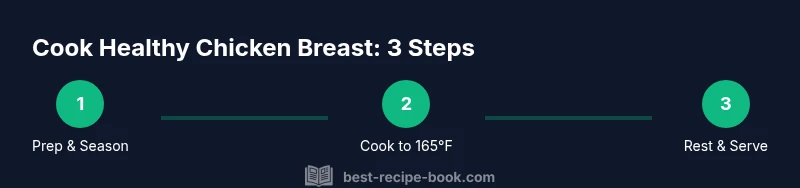
Handle chicken with clean hands and sanitized surfaces. Use separate cutting boards for raw poultry and produce, and wash knives and counters with hot, soapy water after contact. Do not rinse raw chicken, as splashes can spread bacteria. When marinating, keep the container in the fridge and discard used marinade or boil it before serving if you plan to reuse it as a sauce. Cook chicken to a safe internal temperature of 165°F (74°C), and let the meat rest for 3-5 minutes before slicing to retain juices and flavor.
Mastering healthy cooking methods: bake, grill, poach, steam
Healthy cooking emphasizes moisture retention and flavor without added fats. Baking: preheat to about 375°F (190°C), arrange chicken on a lined baking sheet, and bake until the internal temperature reaches 165°F. Grilling: preheat to medium-high, oil the grates, and grill 5-7 minutes per side depending on thickness. Poaching: simmer gently in broth or water with aromatics for 12-15 minutes until done. Steaming: use a steamer basket for 8-12 minutes; this preserves moisture while keeping calories low. Regardless of method, check with a thermometer and let rest briefly. If using a marinade, avoid extremely sugary mixtures that burn and create smoke.
Flavor boosters: herbs, spices, and wholesome sauces
Herbs and acids brighten chicken without adding heavy fats. Try lemon zest, garlic, thyme, oregano, parsley, or cilantro. Spices like paprika, cumin, chili powder, and black pepper add depth. For sauces, opt for olive oil-based dressings, tomato-based sauces, yogurt-based marinades, or light vinaigrettes. A simple marinade of olive oil, lemon juice, garlic, and herbs can boost flavor while keeping calories in check. For a creamy texture without heavy cream, use Greek yogurt as a base in marinades or sauces. Always season in layers: a light dusting before cooking, then a finishing touch after resting.
A trio of healthy chicken breast recipes (overview)
Lemon-herb chicken with roasted vegetables and quinoa: roast chicken with lemon zest and fresh herbs, then serve beside a colorful mix of broccoli, carrots, and quinoa for a complete meal. Garlic yogurt-marinated chicken with brown rice and green beans: marinate in a tangy yogurt mixture, then bake or sauté and pair with fiber-rich rice and greens. Chicken and vegetable stir-fry with brown rice: quick-cook slices of chicken with snap peas, bell peppers, and a light soy-ginger glaze. Each recipe emphasizes portion control and vegetables for bulk and nutrition.
Measuring portion sizes and meal planning with chicken breast
A standard serving of cooked chicken breast is about 3-4 ounces (85-115 g), roughly the size of a deck of cards. Pair each portion with half your plate in non-starchy vegetables and a quarter with whole grains or legumes. For weekly planning, batch-cook chicken in large portions, then portion into containers with a variety of vegetables and sides. Track portions using a simple digital tool or notebook to maintain balance and energy levels throughout the week. Based on Best Recipe Book analysis, planning meals around lean protein like chicken breast supports weight management and sustained energy.
Common mistakes and how to avoid them
Common errors include overcooking chicken, under-seasoning, and relying on heavy sauces. Overcooking dries the meat; use a thermometer and remove from heat just before the final 165°F. Under-seasoning leaves chicken bland, so season in layers and taste as you go. Avoid sugary marinades that burn; instead, build flavor with herbs, citrus, and low-fat sauces. Finally, don’t neglect sides—balanced meals pair protein with vegetables and whole grains for lasting fullness.
Putting it all together: a practical 7-day plan using chicken breast
Day 1: Lemon-herb chicken with roasted broccoli and quinoa. Day 2: Chicken and vegetable stir-fry with brown rice. Day 3: Baked chicken with mixed greens and a chickpea salad. Day 4: Grilled chicken with asparagus and wild rice pilaf. Day 5: Chicken pitas with tomato, cucumber, and yogurt sauce. Day 6: Poached chicken with sautéed spinach and farro. Day 7: Chicken and veggie bowls with a simple vinaigrette. This plan emphasizes variety, fiber-rich sides, and sensible portions, keeping healthy eating sustainable all week long. The Best Recipe Book team recommends using these templates as a foundation to customize meals to your preferences while maintaining balance.
Tools & Materials
- Chef's knife(8-10 inch blade, sharp)
- Cutting board(Plastic preferred for poultry handling)
- Measuring cups and spoons(For sauces and marinades)
- Oven or grill(For baking or grilling)
- Baking sheet with parchment(For roasting chicken)
- Instant-read thermometer(Verify 165°F (74°C))
- Mixing bowls(Marinades and prep)
- Tongs and whisk(For turning and mixing)
- Optional: non-stick pan(Sauté or sear if needed)
Steps
Estimated time: 30-45 minutes
- 1
Prep and trim chicken breast
Remove any excess fat and pat the chicken dry with paper towels. Season lightly with salt and pepper to begin flavor development, then set aside while you preheat your cooking method of choice.
Tip: Patting dry helps achieve a better sear and browning. - 2
Marinate or season evenly
If using a marinade, combine olive oil, lemon juice, garlic, and herbs and coat the chicken evenly. If you prefer a quick method, rub with a light mix of salt, pepper, paprika, and dried oregano.
Tip: Marinades can boost moisture and flavor without adding heavy fats. - 3
Choose your cooking method
Decide between baking, grilling, poaching, or steaming based on your timeline. Preheat your chosen method to the appropriate temperature and prepare a baking sheet or grill surface.
Tip: Preheating ensures even cooking from the start. - 4
Cook to safe temperature
Cook until the internal temperature reaches 165°F (74°C) and juices run clear. Use a thermometer for accuracy and prevent overcooking.
Tip: Avoid guesswork; use a thermometer for precision. - 5
Rest and slice properly
Let the chicken rest for 3-5 minutes after cooking to allow juices to re-distribute. Slice against the grain for tenderness.
Tip: Resting preserves juiciness; slicing against the grain keeps it tender. - 6
Serve with fiber-rich sides
Pair with roasted vegetables, whole grains, or legumes to create a balanced plate. Use simple sauces or dressings to add flavor without excess fat.
Tip: Plan sides in parallel to save time and maintain balance.
People Also Ask
Is chicken breast the healthiest option compared to other chicken cuts?
Compared with thighs, chicken breast is leaner, making it a common choice for high-protein, lower-fat meals. Other cuts offer different flavors and fats, so variety matters for a complete diet.
Chicken breast is leaner than other cuts, but variety matters for nutrition and flavor.
What is the best cooking method for keeping chicken breast juicy?
Gentle cooking methods with proper resting keep chicken moist. Bake, grill, or poach at moderate heat, and use a thermometer to avoid overcooking.
Use gentle heat and rest to keep chicken juicy.
Can I freeze raw chicken breast?
Yes, freeze raw chicken breast in airtight packaging or freezer bags. Thaw safely in the fridge or in cold water before cooking.
Yes, you can freeze it; thaw safely before cooking.
Should I marinate chicken breast before cooking?
Marinating adds flavor and moisture but is optional. If you marinate, keep it refrigerated and avoid overly long times that can affect texture.
Marinating is optional but can add flavor and moisture.
How do I calculate servings for a family when using chicken breast?
A typical cooked serving is 3-4 ounces per person. Multiply by your group size and pair with vegetables and whole grains to finish the plate.
Plan 3-4 ounces per person and balance with sides.
Is pink chicken breast safe to eat?
Color isn’t a reliable indicator of doneness. Always check the internal temperature with a thermometer; 165°F ensures safety.
Don’t rely on color—use a thermometer to confirm doneness.
Watch Video
Key Takeaways
- Cook chicken to 165°F (74°C) for safety.
- Choose healthy cooking methods: bake, grill, poach, steam.
- Portion chicken in 3-4 oz servings for balanced meals.
- Pair protein with vegetables and whole grains for fullness.
- Plan weekly meals around chicken breast for consistency.