Healthy Snack Recipe Guide
A practical, step-by-step guide to healthy snack recipes that are quick to make, kid-friendly, and nutrition-forward. Learn core ingredients, flexible substitutions, and storage tips for busy home cooks.


Goal: Create a snack recipe healthy that is quick, tasty, and protein- and fiber-rich. You’ll use simple pantry staples (oats, nuts, yogurt, fruit) and flexible mix-ins, with practical portioning and storage tips. This guide covers a step-by-step framework, optional substitutions, and safety notes to help home cooks craft satisfying snacks in 10–15 minutes.
Why healthy snack recipes matter
Healthy snacking isn't just about curbing hunger between meals—it's a strategic way to stabilize energy, mood, and overall nutrition throughout the day. When you choose snack recipe healthy options, you provide steady fuel that supports focus, athletic performance, and healthy weight maintenance. The best routines treat snacks as an extension of meals rather than a guilty indulgence. According to Best Recipe Book, a simple, repeatable framework makes healthy snacking accessible to busy families and solo cooks alike.
Healthy snacks should combine protein or healthy fats with fiber-rich carbohydrates and a touch of flavor. That combination promotes fullness and steady blood sugar, which reduces afternoon crashes and snacking on less nutritious options. In practice, a snack that passes this test might be a small bowl of yogurt with berries and a sprinkle of oats, or a handful of nuts with apple slices. The more you tailor snacks to your daily routine, the easier it becomes to keep nutrition goals in sight without sacrificing taste. These snack ideas scale from quick on-the-go options to more substantial mid-day treats that still feel light and refreshing.
Note: this guide emphasizes flexibility. You don't need a long ingredient list or specialized equipment to deliver a snack that satisfies both kids and adults. Start with a base you enjoy, then add fresh fruit, seeds, or a drizzle of nut butter to create a snack that is truly snack recipe healthy.
Top Features to consider
Core ingredients for healthy snack recipes revolve around balance and simplicity. A snack recipe healthy outcome typically combines a nutritious base, a protein or fat source, and a flavorful accent. Start with oats, yogurt, or whole-grain crackers as your base; add a protein like yogurt, nuts, or seeds; fold in fruit or vegetables for fiber and water content; finish with a flavor boost such as cinnamon, vanilla, cocoa, or a drizzle of honey. When selecting ingredients, prioritize options with low added sugar and meaningful nutrients: fiber from oats and fruit; protein from yogurt and nuts; healthy fats from seeds. If you follow dietary restrictions, all of these components can be swapped without sacrificing texture or satisfaction. For example, plant-based yogurt and almond butter provide a protein-rich pairing that remains creamy and satisfying. The snack recipe healthy framework thrives on balance—avoiding too much sugar and too little protein increases the likelihood of hunger soon after eating. In practice, you can assemble many snacks with a few staples: oats + yogurt + berries; apple slices + peanut butter + seeds; or whole-grain crackers + hummus + cucumber. Keeping a short shopping list and a few go-to substitutions makes it easier to turn any moment into a healthy snack break.
Flavor and texture balance
Texture and flavor are the two levers that keep healthy snacks appealing. A snack that feels bland will be forgotten by late afternoon, while one that is too sweet or too salty can lead to cravings. Aim for a balance of soft, crunchy, creamy, and chewy textures. Pair a smooth yogurt or nut butter with crunchy nuts or seeds, then add fresh fruit for brightness. Use spices to elevate taste without adding sugar—cinnamon, nutmeg, vanilla, or a pinch of sea salt can transform a simple mix into a satisfying bite. If you’re making a no-bake bar or bite, components should bind well enough to hold shape but not be so sticky that hands or teeth feel overwhelmed. Taste as you go and adjust sweetness with a small amount of honey, dates, or maple syrup, then counterbalance with citrus zest or a splash of vanilla. Remember that healthy snack recipes should feel indulgent without derailing your goals, so prioritize ingredients you enjoy and textures that you’ll actually crave again tomorrow.
Quick-formula framework
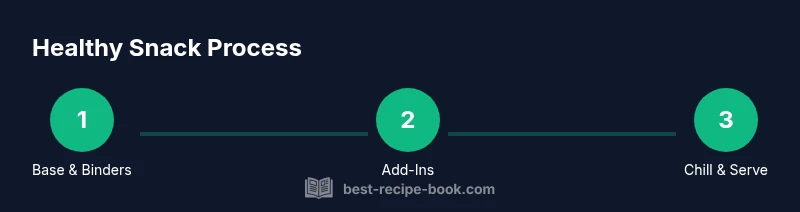
One reliable approach is to think in three components: base, binders, and add-ins. The base provides structure (oats, yogurt, or crisped rice), binders hold everything together (nut butter, yogurt, or mashed fruit), and add-ins supply flavor, color, and nutrition (fruit, seeds, or a small amount of dark chocolate). With this framework, you can craft multiple snack options in minutes. Example formulas:
- Base: rolled oats; Binder: peanut butter; Add-ins: sliced banana, chia seeds.
- Base: yogurt; Binder: a touch of honey; Add-ins: berries, crushed nuts.
- Base: whole-grain crackers; Binder: hummus; Add-ins: cucumber slices and paprika. To customize for dietary preferences, swap in plant-based yogurt, use tahini instead of peanut butter, or choose gluten-free oats. The key is consistency of texture and a pleasant flavor profile that you’ll reach for again and again.
15-minute snack ideas
These ideas are quick to assemble and scale for different situations. Each option uses common ingredients and a simple method:
- Yogurt parfait cups: Layer unsweetened yogurt, fresh berries, and a handful of oats or granola for crunch.
- Banana-oat energy bites: Mix mashed banana, oats, peanut butter, and a pinch of cinnamon; form into balls and refrigerate.
- Apple slices with almond butter: Core apple slices, spread with almond butter, top with chopped walnuts.
- Spiced roasted chickpeas: Toss canned chickpeas with olive oil, paprika, and cumin; roast 12 minutes at 425°F (220°C).
- Berry smoothie bowls: Blend frozen berries with a splash of milk; top with seeds and sliced fruit.
- Cottage cheese bowls: Spoon cottage cheese with pineapple chunks and a few pumpkin seeds.
- Quick hummus boats: Fill cucumber boats with hummus and sun-dried tomato bits.
All of these can be completed in about 15 minutes, with optional chilling time included for bites that benefit from firming up. The trick is to choose a base you enjoy and mix in one crunchy element plus one fruit for brightness.
Batch prep and storage tips
Batch prepping is a time-saver for busy weeks. Prepare a few snack bases (no-bake energy bites, yogurt cups, and chickpea crunch) and store them properly so you have ready-to-go options. Keep portions in small containers or zip-top bags to control servings and calories. No-bake bites tend to stay fresh for several days when kept cool; yogurt cups should be consumed within a few days, and roasted chickpeas stay crisp for up to a week when stored in an airtight container. If you anticipate longer storage, freeze portions of no-bake bites or smoothie packs for later use. Label each container with date and contents to avoid waste and to track freshness. Consider dedicating a 20-30 minute session once a week to rotate flavors and maintain variety. Batch prep reduces decision fatigue and makes snack choices consistent with your health goals.
Dietary adaptations
Healthy snack recipes should accommodate a variety of dietary needs. For vegan diets, substitute dairy yogurt with plant-based yogurt and use almond butter instead of peanut butter when necessary. For gluten-free requirements, ensure oats are certified gluten-free and swap in gluten-free crackers or rice cakes. For dairy-free plans, choose coconut yogurt or soy yogurt and pair with seeds. If you’re avoiding added sugars, rely on fruit, cinnamon, and vanilla to enhance sweetness rather than syrup. For nut allergies, replace nuts with seeds such as pumpkin or sunflower seeds and use seed butters or dairy-free yogurt as a base. The snack recipe healthy framework supports many combinations, so experiment with flavors, textures, and nutrition profiles to meet personal goals or family preferences.
Troubleshooting and common mistakes
Even seasoned home cooks run into snacking hiccups. Common issues include overly dry bites, too-sweet flavors, or a lack of binding that makes snacks crumble. To prevent dryness, adjust moisture with yogurt, fruit, or a tiny splash of milk. If sweetness becomes overwhelming, reduce added sweeteners and add a dash of citrus zest or vanilla to brighten flavor. For weak binding, increase nut butter or mashed fruit slightly and chill longer to help set. Portion control is another frequent challenge; use a kitchen scale or measuring spoons to keep servings consistent. Finally, taste as you go and keep notes on what works for your palate; a few reliable formulas can be adjusted for any season or occasion.
Tools & Materials
- Rolled oats(Base for energy bites and no-bake bars; use gluten-free oats if needed)
- Chopped nuts (almonds, walnuts, pecans)(Provide crunch and healthy fats; store in airtight container)
- Greek yogurt or plant-based yogurt(Adds protein and creaminess; choose unsweetened to control sugar)
- Fresh fruit (berries, banana, apple)(Adds natural sweetness and moisture; adjust moisture with cups of yogurt)
- Nut butter (peanut, almond, cashew)(Provides healthy fats and binding; avoid cross-contamination if allergies)
- Chia seeds or flax seeds(Adds fiber and binding; soak seeds for better texture)
- Honey or maple syrup(Optional sweetener; adjust to preferred sweetness)
- Milk or plant-based milk(Helps texture; use unsweetened to avoid extra sugar)
- Dark chocolate chips or cacao nibs(Optional for flavor and texture)
- Silicone baking mats or parchment paper(For non-stick tray-free shaping)
- Measuring cups and spoons(Precise portions; helps reproduce results)
Steps
Estimated time: 25-30 minutes
- 1
Collect and measure ingredients
Lay out all ingredients and measure exact amounts to ensure consistent texture and flavor. Organize by base, binder, and add-ins to speed up assembly.
Tip: Pre-measure to speed up assembly. - 2
Mix base and binders
In a bowl, combine oats, yogurt, milk, and nut butter. Stir until you have a cohesive mixture that holds together when pressed.
Tip: Warm yogurt slightly to improve mixing. - 3
Fold in add-ins
Add fruit, nuts, seeds, and optional chocolate in evenly. Avoid over-mixing to maintain texture and bite.
Tip: Chop fruit small for bite-sized pieces. - 4
Portion and shape
Scoop mixture into portions and shape into balls or bars. Use a spoon or measuring cup for uniform sizes.
Tip: Chill briefly to help shapes set. - 5
Chill or bake
Chill bites in the fridge for 15–30 minutes; no-bake option is often preferred for speed. If baking, use a low oven to set without drying.
Tip: If baking, 12–15 minutes at a low temperature works well. - 6
Store and serve
Store in airtight containers in the fridge; consume within 3–5 days. Freeze portions for longer storage and label with date.
Tip: Label with date to track freshness.
People Also Ask
What qualifies as a healthy snack?
A healthy snack provides a balance of protein, fiber, and healthy fats with moderate sugar; aim for satiety between meals.
A healthy snack is balanced, satisfying, and helps bridge meals without overdoing sugar.
How long can these snacks be stored in the fridge?
Most snack bites stay fresh for 3-5 days in the fridge; freeze for longer storage when possible.
Most snacks stay fresh for a few days in the fridge.
Are these snacks suitable for kids?
Yes, many ideas are kid-friendly; adjust sweetness and size; involve kids in rolling and shaping for engagement.
They work well for kids when portions are kid-sized and not overly sweet.
Can I make these snacks vegan?
Yes, substitute dairy yogurt with plant-based yogurt and use maple syrup instead of honey; ensure protein sources remain balanced.
You can make vegan versions by swapping dairy.
Do oats need to be gluten-free?
Gluten-free oats are available; check packaging to ensure no cross-contamination if sensitive.
Yes, use certified GF oats if needed.
What is the best ratio of base to add-ins?
A general starting point is 1:1 base to add-ins by weight, then adjust for the desired texture.
Start with equal parts base and add-ins by weight.
Watch Video
Key Takeaways
- Start with a simple base and add-ins
- Balance protein, fiber, and fats for satiety
- Batch prep saves time and reduces decision fatigue
- Adapt recipes for vegan, gluten-free, and dairy-free needs