Apple and Bread Recipe: Step-by-Step Guide
Learn to make a tender apple bread with cinnamon, apples, and a fluffy crumb. This step-by-step guide from Best Recipe Book covers ingredients, techniques, substitutions, and storage for delicious results.


Goal: bake a tender apple bread by mixing apples with a cinnamon-spiced batter and baking in a loaf pan until golden and fragrant. You’ll need pantry staples (flour, sugar, eggs, butter, milk), apples, spices, and a loaf pan. No special equipment beyond common kitchen tools. This guide prioritizes practical steps for reliable results.
The Apple-Bread Harmony: Why apples and bread work
Apples bring brightness, moisture, and a light tang that balances sweetness in a loaf of apple bread. The fruit’s natural sugars caramelize as they bake, creating a fruity aroma and a tender crumb. According to Best Recipe Book, achieving the right balance between fruit, flour, and spices is the key to a loaf that stays moist without becoming gummy. In this recipe, the apples contribute both flavor and texture, while a modest amount of fat and dairy helps create a soft interior with a satisfying crust. Home cooks can tailor sweetness and spice to their preferences by adjusting sugar and cinnamon levels, which makes this recipe versatile for various seasonal apple varieties.
Core ingredients and pantry staples
A successful apple bread rests on a few dependable ingredients. You’ll need all-purpose flour or a portion of whole-wheat for warmth, granulated sugar for sweetness, eggs for structure, butter or oil for richness, milk for moisture, and a pinch of salt to heighten flavors. Apples are the star, so choose varieties that hold their shape when baked (like Honeycrisp, Braeburn, or Gala) and prepare them with a quick dice or small dice to distribute evenly. Spices such as cinnamon, nutmeg, and a touch of vanilla extract bring warmth and extra aroma. Optional add-ins like chopped walnuts or raisins can add texture and contrast, but keep the base batter balanced so the loaf remains tender and sliceable.
Selecting apples: varieties and prep tips
Apple variety matters more than you might think. Firmer apples stay intact during mixing and baking, while sweeter varieties provide natural sweetness. For a balanced loaf, combine a firmer apple with a sweeter one to get both texture and flavor. Peel if you prefer a smoother crumb, or leave the skins on for added color and nutrients. Toss the chopped apples with a teaspoon of lemon juice to prevent browning and to brighten their flavor after mixing with dry ingredients.
Flour, sweetness, and spice balance
This loaf relies on a flexible batter where flour provides structure and moisture carriers like milk and eggs help create a tender crumb. Cinnamon is the anchor spice, but a pinch of nutmeg or allspice adds complexity without overpowering the apples. The sugar level should be moderate to keep the loaf moist but not overly sweet. If you prefer a lighter crumb, you can swap part of the all-purpose flour for a bit of almond flour or oats, but keep moisture in check so the batter does not dry out during baking.
Texture science: moisture, crumb, and structure
Crumb structure in apple bread depends on how carefully you blend wet and dry ingredients. Overmixing develops gluten, leading to a tougher slice. Gentle folding preserves a delicate crumb and allows the apples to distribute evenly. The moisture comes from dairy and eggs, plus the apples themselves. If the batter seems too loose, a small addition of flour will help; if it looks dry, a splash of milk or yogurt can rehydrate without making it dense.
Mixing method and step timing
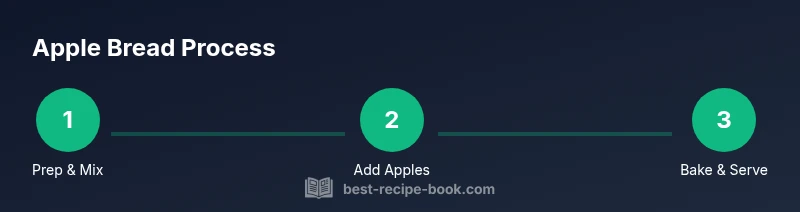
Consistency is the backbone of a reliable loaf. Start by whisking dry ingredients to aerate and evenly distribute leavening; separately blend wet ingredients, then combine just until the batter comes together. Fold in apples gently so they don’t break apart. Resting the batter briefly helps hydrate the flour for a more uniform crumb. Finally, scrape the bowl and level the top for even rising.
Baking process and doneness tests
Preheat the oven to a moderate temperature (often around 350°F / 175°C). Grease and flour a standard loaf pan or line with parchment for easy removal. Bake until a toothpick or skewer inserted into the center comes out clean or with a few moist crumbs; the exact time depends on apple size and batter moisture. If the loaf browns too quickly, tent with foil to prevent over-browning while the interior finishes baking. Let the loaf cool in the pan briefly, then transfer to a rack to prevent soggy bottoms.
Variations and substitutions
For dairy-free versions, substitute plant-based milk and oil for butter and dairy milk. If you want extra fruitiness, add a handful of finely chopped apples or a swirl of apple butter into the batter. For a stronger spice profile, increase cinnamon by a quarter teaspoon while keeping sugars balanced. You can also fold in chopped nuts for texture or swap in whole-wheat flour for a heartier crumb. Each substitution shifts moisture, so adjust liquids accordingly.
Troubleshooting common issues
Common problems include a dry loaf, uneven texture, or apples sinking. Moisture balance is key: use enough dairy and eggs to bind but not over-wet the batter. To prevent sinking apples, cut them into uniform pieces and fold gently. If the loaf edges over-brown, cover with foil during the final minutes of baking. If you end up with a compact loaf, consider a touch more leavening next time or a brief rest of the batter before baking.
Tools & Materials
- Loaf pan (9x5 inches)(Grease or line with parchment for easy release)
- Mixing bowls(Two bowls: one for dry, one for wet)
- Measuring cups and spoons(Accurate measurements matter)
- Wire whisk or wooden spoon(For blending dry ingredients)
- Peeler and knife(Prep apples and zest if desired)
- Cutting board(Sturdy surface for apples)
- Mixing spatula(Fold in apples gently)
- Oven thermometer (optional)(Ensures accurate oven temp)
- Cooling rack(Prevents soggy crusts)
- Apples (2-3 medium)(Choose firm varieties)
- All-purpose flour(Main structure builder)
- Granulated sugar(Sweetness and browning)
- Butter or oil(Fat for crumb and flavor)
- Eggs(Bind and enrich the crumb)
- Milk or dairy-free milk(Moisture and texture)
- Salt(Enhances flavor)
- Ground cinnamon(Signature spice)
- Vanilla extract(Optional depth)
- Optional add-ins (nuts, raisins)(Adds texture)
Steps
Estimated time: 60-75 minutes
- 1
Preheat & prep pan
Preheat the oven to 350°F (175°C). Grease the loaf pan or line with parchment for easy removal. This ensures you don’t tear the loaf when you take it out after cooling.
Tip: Consistency in pan prep helps you slice cleanly. - 2
Prepare apples
Peel (optional) and core the apples, then dice into 1/2-inch pieces. The goal is even distribution so every slice has fruity bites.
Tip: Toss diced apples with a teaspoon of lemon juice to prevent browning. - 3
Whisk dry ingredients
In a large bowl, whisk flour, sugar, salt, and cinnamon until evenly combined. This aerates the mix and distributes leavening.
Tip: Sifting isn't required but helps avoid clumps. - 4
Mix wet ingredients
In another bowl, beat melted butter, eggs, milk, and vanilla until smooth. This creates a cohesive batter base.
Tip: Room-temperature ingredients blend more evenly. - 5
Combine wet and dry
Add wet to dry just until a shaggy batter forms; overmixing makes the crumb tough. Fold in apples gently.
Tip: A few streaks of flour in the batter are okay. - 6
Pour & level batter
Scrape the bowl clean and pour batter into the prepared loaf pan. Smooth the top so it bakes evenly.
Tip: Tap the pan once to settle the batter and remove air pockets. - 7
Bake until done
Bake 50-65 minutes, or until a toothpick comes out with a few moist crumbs. Rotate the pan halfway if your oven heats unevenly.
Tip: If the top browns too fast, tent with foil for the last 15 minutes. - 8
Cool & slice
Cool the loaf in the pan for 10 minutes, then transfer to a rack to cool completely before slicing.
Tip: Cooling allows the crumb to set for clean slices.
People Also Ask
What apples are best for apple bread?
Firm apples like Honeycrisp, Braeburn, or Gala hold their shape and provide both texture and sweetness. Mixing varieties can yield a balanced crumb and burst of flavor.
Use a mix of firm apple varieties to keep texture while adding natural sweetness.
Can I make this recipe dairy-free?
Yes. Substitute dairy milk with a plant-based milk and use a neutral oil or dairy-free butter alternative. The texture remains moist and crumb will stay tender if you maintain enough fat.
Dairy-free substitutions work well as long as fats and moisture are maintained.
How do I prevent a dry loaf?
Use room-temperature ingredients, avoid overmixing, and measure flour correctly. If the batter seems dry, add a tablespoon of milk and fold gently until just combined.
Keep moisture in check by not overmixing and watching batter texture.
Can I bake this as muffins instead of a loaf?
Yes. Portion the batter into lined muffin cups and bake for about 18-22 minutes at 350°F, checking with a toothpick for doneness.
You can make muffins with a shorter bake time.
How should I store leftover apple bread?
Store cooled slices in an airtight container at room temperature for 2-3 days or refrigerate up to a week. Freeze slices for longer storage, wrapped tightly.
Keep it wrapped to maintain moisture and flavor when storing.
Can I add nuts or raisins to this recipe?
Yes. Fold in 1/2 cup chopped nuts or raisins after apples to avoid sinking. Adjust sugar slightly if adding sweet add-ins.
Add-ins are fine; fold them in last to distribute evenly.
Watch Video
Key Takeaways
- Choose a balance of firm and sweet apples for texture and flavor.
- Mix wet and dry ingredients just until combined to keep crumb tender.
- Bake at moderate heat and cover if the top browns too quickly.
- Cool completely before slicing for clean cuts and even crumb.