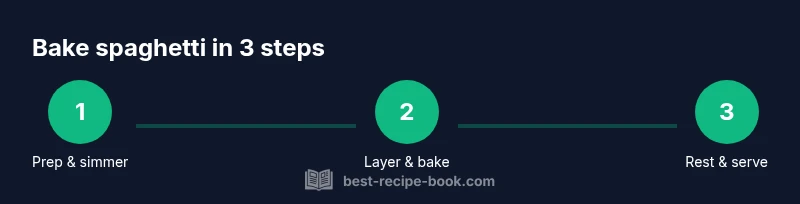
Baked Spaghetti: A Complete Step-by-Step Guide
Learn to craft comforting baked spaghetti with a rich tomato sauce, gooey cheese, and perfectly tender pasta. This step-by-step guide covers ingredients, timing, substitutions, and serving ideas for a family-friendly dinner.


By following this guide, you will learn how to make comforting baked spaghetti from start to finish, including sauce, cheese, and bake time. You will need pasta, tomato sauce, ground meat or vegetables, mozzarella, and an oven-safe dish. This step-by-step method yields a hearty, family-friendly dish ready in about an hour.
What is baked spaghetti?
Baked spaghetti is a cozy, family-friendly dish that blends al dente pasta with a savory tomato sauce and plenty of melted cheese, then finishes in the oven until bubbling and golden on top. According to Best Recipe Book, the beauty of this classic lies in balance: pasta that retains a slight bite, a sauce that clings to every strand, and cheese that forms a luscious crust. When done well, each forkful offers saucy richness, bright tomato notes, and a pleasing contrast between creamy cheese and lightly crisp edges. This section will help you understand the core concept, why it works, and how to adapt it for your pantry or dietary needs.
You’ll notice that baked spaghetti is forgiving: you can add ground meat, vegetables, or extra herbs to customize the dish without breaking the texture. The technique hinges on three elements: al dente pasta, a sauce that simmers long enough to marry flavors, and a cheese layer that browns evenly without becoming greasy. As you read, think about how you might adjust portions for a crowd or freeze portions for future meals.
Another benefit of baked spaghetti is its flexibility. If you have leftover sauce from another dish, it can become the base for your bake. If you prefer a vegetarian version, swap meat for sautéed mushrooms or spinach and a touch more olive oil. The key is to maintain moisture so the pasta doesn’t dry out during baking. Whether you’re cooking for a weeknight family dinner or entertaining guests, baked spaghetti offers a satisfying, crowd-pleasing option that’s easy to scale up.
In practice, this dish shines when you plate it with a light garnish of fresh herbs and a drizzle of extra-virgin olive oil. By planning ahead, you can assemble components early and bake just before serving, keeping textures distinct and flavors bright. This makes baked spaghetti not only comforting but also versatile and practical for home cooks who value practicality without sacrificing flavor.
Key ingredients and substitutions
A great baked spaghetti starts with simple, pantry-friendly ingredients. The base is inexpensive pasta, a robust tomato sauce, and a generous amount of cheese. From there, you can add protein or vegetables to tailor the dish to your preferences.
- Pasta: Use spaghetti or thin strands that cook quickly. For a creamier texture, try a middle-ground pasta shape that holds sauce well. If you’re avoiding gluten, explore certified gluten-free pasta options that still hold up under baking.
- Sauce: A simple tomato sauce works best, but you can enrich it with sautéed onions, garlic, and a pinch of dried herbs. For depth, finish with a splash of red wine or a teaspoon of sugar to balance acidity.
- Cheese: Mozzarella is classic for melt and stretch. A mix of mozzarella and parmesan or pecorino creates a sharp, cheesy top. For a lighter option, use part-skim cheese or substitute ricotta in the filling for a creamy texture.
- Protein and veg: Ground beef, turkey, or sausage are common choices. Vegetarian options include mushrooms, spinach, or lentils. If using meat, brown it first until no pink remains, then drain excess fat for a cleaner sauce.
- Seasonings and extras: Salt, pepper, oregano, and basil brighten the dish. A pinch of red pepper flakes adds a subtle kick. Fresh herbs added after baking lift flavors without overpowering the ingredients.
Substitutions are straightforward: swap ground meat for plant-based crumbles, use canned whole tomatoes blended into sauce, or replace mozzarella with provolone for a sharper bite. The important rule is to maintain moisture so the baked pasta stays tender rather than rubbery. If you’re aiming for a lighter version, reduce cheese by about a quarter and increase vegetables to compensate for volume.
With these components in hand, you can build a baked spaghetti that suits your family’s tastes and dietary needs while delivering the same comforting, homey result every time.
Equipment and pantry prep
A well-equipped kitchen makes baked spaghetti preparation smooth and enjoyable. You don’t need fancy gadgets—just the right tools and a few pantry staples easily within reach.
- Essential equipment: Large pot for boiling pasta, skillet or sauté pan for the sauce, 2- to 3-quart baking dish, wooden spoon for stirring, and a colander for draining.
- Oven and timing: Preheat to a steady 375°F (190°C). An oven thermometer helps ensure accuracy, especially if you bake often.
- Prep workspace: Clear a clean surface for chopping and assembling. Have measuring cups and spoons ready to ensure consistent seasoning.
- Storage containers: If you plan to refrigerate or freeze portions, choose airtight containers or wrap the baking dish tightly with foil.
As you prep, consider portioning ingredients in advance. This reduces last-minute scrambling and helps you bake efficiently for a crowd. Lining the baking dish with a light coating of olive oil can prevent sticking and make clean-up easier. If your sauce is thick, thin it with a splash of water or broth so the pasta can hydrate evenly during baking. Finally, set out a grater or microplane to finish the dish with a fresh cheese dusting just before serving for extra aroma and texture.
In summary, the key to a smooth bake lies in organization: weigh or measure ingredients ahead of time, choose a reliable pan, and ensure your oven is properly heated before the first rack goes in. With the right setup, baked spaghetti becomes a confident, repeatable weeknight staple.
How to bake for perfect texture and flavor balance
Baking is where everything comes together in baked spaghetti. The technique focuses on layering, moisture, and temperature to achieve a tender center with a glossy cheese crust. The aim is to keep pasta hydrated without turning it mushy, while ensuring the sauce doesn’t burn and the cheese forms a bronzed top. Below are practical guidelines to help you hit that balance—whether you’re cooking for two or feeding a larger group.
- Layering technique: Start with a thin layer of sauce at the bottom of the dish to prevent sticking, then add a bed of cooked pasta, followed by sauce, cheese, and any toppings. Repeat the layers to create even distribution of flavors. Ends with a cheese layer that browns nicely.
- Sauce-to-pasta ratio: A common ratio is about 1 cup of sauce per 8 ounces of pasta. If you’re using extra vegetables or meat, you may need slightly more sauce to coat everything evenly.
- Moisture management: If your sauce is very thick, add a splash of stock or water to keep pasta from absorbing all moisture during baking. Covering with foil for the first part of baking helps retain moisture and prevents a dry top.
- Baking time and temperature: Bake at 375°F (190°C) for about 25-35 minutes, then uncover and bake an additional 5-10 minutes until the cheese is bubbling and lightly golden. Check after the first 25 minutes to adjust time if needed depending on your oven.
- Resting period: Let the dish rest for 5-10 minutes after removing from the oven. This helps the sauce thicken slightly and makes serving easier.
If you’re new to baked pasta, start with a smaller dish to perfect the technique before scaling up. The right balance of moisture and heat will ensure every bite includes the core components—pasta, sauce, and cheese—in harmony. With practice, you’ll become adept at anticipating bake times based on your oven’s quirks and the ingredients you choose to include.
The beauty of baked spaghetti is that it rewards careful layering and mindful baking. As you gain experience, you’ll learn how adjustments—like adding sautéed mushrooms or finishing with fresh herbs—can elevate the dish without complicating the process. The end result should be a comforting, crowd-pleasing dish that holds together slice after slice.
Variations, toppings, and serving ideas
Baked spaghetti is a versatile canvas for a wide range of flavors and textures. Whether you’re feeding kids, friends, or yourself, there are plenty of ways to tailor the dish while keeping the core concept intact.
- Dairy variations: Try a blend of mozzarella with provolone or fontina for a richer melt. A dollop of ricotta inside the layers can add creaminess without making the bake heavy.
- Meat and veggie combos: For a heartier bake, mix ground beef with Italian sausage. Spinach, bell peppers, zucchini, or mushrooms add color and nutrition. Roasted red peppers can bring a touch of sweetness.
- Sauce upgrades: Use a sautéed garlic and onion base, and finish with a hint of balsamic or red wine. A small amount of tomato paste intensifies the sauce’s color and depth.
- Cheese topping: A combination of mozzarella and a grating cheese like Parmigiano-Reggiano yields a mellow, salty finish. For a sharper edge, add a light sprinkle of pecorino.
- Serving ideas: Garnish with chopped parsley, basil, or grated parmesan. Pair baked spaghetti with a crisp green salad and a slice of crusty bread for a complete meal.
To keep things efficient, consider preparing components in advance. Cook the pasta and sauce separately and refrigerate up to 24 hours before assembling and baking. This approach is ideal for busy weeknights when you want a homey dinner without a long prep time. The result remains comforting, flavorful, and accessible to cooks of all skill levels.
In short, baked spaghetti is a forgiving, delicious option that invites experimentation. By adjusting proteins, vegetables, and cheeses, you can create a personalized version that suits your family’s tastes while preserving the essential baked, cheesy finish that makes this dish so appealing.
Tools & Materials
- Large pot(For boiling pasta; 4-6 quarts depending on package size)
- Skillet or saucepan(For preparing sauce; 2-3 quart size recommended)
- Oven-safe baking dish(2-3 quart or larger; grease lightly)
- Colander(Drain pasta after boiling)
- Grater or microplane(Optional for fresh parmesan on top)
- Measuring spoons & cups(For accurate seasoning)
- Chef’s knife and cutting board(Chop onions, garlic, and vegetables)
- Aluminum foil(To cover during bake if needed)
Steps
Estimated time: 45-60 minutes
- 1
Preheat oven and prep pan
Preheat the oven to 375°F (190°C). Lightly grease the baking dish to prevent sticking and set out all ingredients so you can assemble without rushing. This ensures an even bake and clean-up simplicity.
Tip: Grease lightly with oil to help the edges brown without drying out the center. - 2
Boil pasta to al dente
Cook pasta in salted water until just shy of al dente (about 1-2 minutes less than package directions). This helps the final bake finish the pasta without becoming mushy. Drain and set aside.
Tip: Reserve a cup of pasta water to loosen the sauce if needed. - 3
Make sauce with aromatics
Sauté onion and garlic in a splash of oil until translucent, then add tomato sauce and herbs. Let simmer 8-10 minutes to marry flavors and reduce excess acidity.
Tip: A splash of red wine or a pinch of sugar can balance acidity if your sauce tastes sharp. - 4
Combine pasta, sauce, and cheese
Toss the hot pasta with sauce until evenly coated. Fold in half the cheese to distribute moisture and melt. Leave a little cheese for topping later.
Tip: Avoid overmixing; you want defined pasta textures rather than a dense, uniform mass. - 5
Layer in baking dish
Add a layer of sauce to the bottom, spread pasta evenly, then lightly sprinkle cheese. Repeat layers and finish with a final cheese layer for a bubbling crust.
Tip: Even layering helps every bite be flavorful and avoid dry pockets. - 6
Bake covered, then uncover
Cover with aluminum foil and bake for 25 minutes to allow flavors to meld. Remove foil and bake 5-10 more minutes until the cheese is melted and golden.
Tip: Foil helps keep moisture but exposing the top creates the desirable cheese crust. - 7
Rest before serving
Let the baked spaghetti rest 5-10 minutes after removing from the oven. Resting helps the sauce thicken slightly and makes slicing easier.
Tip: Resting also concentrates flavor and improves texture. - 8
Serve and garnish
Cut into portions and garnish with fresh herbs, grated cheese, or a drizzle of olive oil. Serve with a simple side salad or crusty bread.
Tip: Fresh herbs brighten the dish and add a pop of color.
People Also Ask
Can I make baked spaghetti ahead of time?
Yes. You can assemble the dish and refrigerate it for up to 24 hours before baking. If you do this, add 5-10 minutes to the bake time to account for the cold ingredients.
You can assemble ahead and bake later; just add a little time for chill-reheated ingredients.
Can I use frozen pasta or sauce?
Frozen pasta is not ideal for this bake since it can release extra moisture. If using frozen sauce, thaw it first and simmer to reduce water content before mixing with pasta.
Thaw and simmer sauces first to control moisture during baking.
What changes if I skip meat or dairy?
You can omit meat and dairy by using a vegetable-based sauce and plant-based cheese or a dairy-free mozzarella alternative. Add extra vegetables to maintain texture and moisture.
Vegetarian options work well with thoughtful cheese substitutes and extra veggies.
How do I prevent the top from getting soggy?
Bake with a cheese layer on top and uncover toward the end so the top browns rather than steams. Use a shallow pan to promote even heat transfer.
Uncover near the end and keep the cheese layer visible to crisp it up.
How long can baked spaghetti be refrigerated or frozen?
Refrigerate leftovers for 3-4 days in an airtight container. Freeze individual portions for up to 2-3 months; thaw in the fridge before reheating.
Leftovers store well for a few days in the fridge, or freeze for longer prep.
What sides pair best with baked spaghetti?
A simple green salad, crusty bread, or garlic knots complement the richness of baked spaghetti. A light vinaigrette helps balance the meal.
Pair it with a crisp salad and bread for a complete meal.
Can I bake this in a slow cooker?
Traditional baked spaghetti relies on oven heat to brown the top. A slow cooker version will be softer and lacks the browned crust but can work in a pinch if you layer and finish with cheese under a broiler.
Slow cooker versions miss the crust but can still taste great; finish with a quick broil if possible.
Watch Video
Key Takeaways
- Gather ingredients and preheat the oven before you start
- Cook pasta al dente to prevent sogginess
- Layer sauce, pasta, and cheese for even flavor
- Bake covered then uncover to bloom the cheese crust
- Rest 5-10 minutes before serving for clean slices