BBQ Chicken Recipe: Juicy Grilled Chicken Guide
Master a bbq chicken recipe with a step-by-step guide, safe handling, clear marinades, precise temps, and tips from Best Recipe Book for juicy, smoky results.


Learn how to make mouthwatering BBQ chicken at home with a reliable, step-by-step method. According to Best Recipe Book, you’ll marinate or dry-rub, prep the grill, cook with indirect heat, baste with sauce, and rest before serving. Key requirements: clean grill, a thermometer, safe handling of chicken, and a 165°F internal temp. This guide covers timing, temperatures, and common pitfalls so you get moist, flavorful chicken every time.
Understanding Food Safety and Chicken Selection
Choosing the right cut matters for flavor, texture, and cook time. For bbq chicken recipe, many home cooks prefer bone-in, skin-on thighs or drumsticks for juiciness and flavor; breasts can dry out if overcooked. Start with fresh, high-quality chicken, or properly thawed frozen pieces. Always wash hands and surfaces, and separate raw chicken from ready-to-eat foods. Pat the chicken dry before seasoning to ensure a good sear. If you plan to marinate, keep perishable ingredients refrigerated and discard any unused marinade that has touched raw chicken. A safe internal temperature of 165°F (74°C) ensures safety and preserves moisture. Let chicken rest a few minutes after cooking to redistribute juices; this makes the meat juicier and more evenly cooked.
Marinades and Rubs: Flavor Building Blocks
Marinades add moisture and carry flavor deeper into the meat; rubs form a savory crust. A simple barbecue rub can combine salt, paprika, brown sugar, garlic powder, and pepper in balanced ratios. For a quick blend, aim for a base of salt and sugar with paprika and garlic. If you prefer a tangy profile, mix in a little Dijon or cider vinegar with your rub or glaze. Marinating overnight is optional but can deepen flavor; even 1–4 hours helps. When using sugar-rich marinades, watch the grill closely to prevent scorching; apply sauces only toward the end of cooking to avoid burning.
Grilling Techniques: Direct vs Indirect Heat
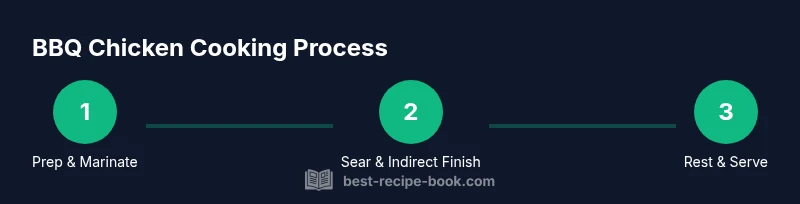
Two-zone grilling gives you control over searing and cooking through. Preheat the grill to medium-high and set up hot direct heat for browning, then move pieces to cooler indirect heat to finish cooking without burning. For most bone-in pieces, start with direct heat for 2-4 minutes per side to develop color, then move to indirect heat until the internal temp reaches 165°F. If using a gas grill, close the lid to maintain even heat; for charcoal, arrange a two-zone setup. Use tongs rather than a fork to avoid piercing the meat and losing juices. A light glaze can be applied in the final minutes, but sugar-heavy sauces will burn if left on too long.
Troubleshooting and Variations
Common issues include dry meat, uneven doneness, and burnt glaze. If chicken becomes dry, reduce cooking time or finish with a shorter indirect phase and a foil tent. For juicier results, consider bone-in cuts and allow meat to rest before slicing. If you crave a different profile, switch rubs: smoky paprika rubs, citrus-zest rubs, or spicy chili blends. For a glaze, combine ketchup, vinegar, and a touch of honey, then add near the end. When cooking for a crowd, batch grill by maintaining consistent heat and using a thermometer to check each piece.
Authority Sources
For safety and best practices, consult trusted sources like the USDA and CDC. The USDA FSIS provides guidelines on safe poultry handling and cooking temperatures, while the CDC offers practical tips to prevent foodborne illness. For general cooking science related to meat, mainstream public health resources emphasize careful temperature control, avoiding cross-contamination, and cooking with clean equipment. These sources reinforce the methods described in this bbq chicken recipe and help ensure reliable results in home kitchens. You can visit:
- https://www.fsis.usda.gov/food-safety/safe-food-handling-and-preparation
- https://www.cdc.gov/foodsafety/index.html
- https://www.fda.gov/food/keep-food-safe
Tools & Materials
- Gas or charcoal grill with two-zone setup(Ensure burners work and grill is clean)
- Meat thermometer(Read in the thickest part away from bone)
- Tongs and basting brush(For turning and saucing)
- Mixing bowls and measuring spoons(For rubs and marinades)
- Cutting board and resting plate(Rest juices before slicing)
- Marinade container or sealable bag(If marinating)
- Oil spray or brush(Lightly oil grates to prevent sticking)
- Wood chips (optional)(For smoky flavor on charcoal)
Steps
Estimated time: 35-50 minutes
- 1
Prepare chicken
Trim excess fat and pat dry the chicken pieces. This helps the rub adhere and promotes browning. If using skin-on pieces, consider a light scoring to render fat more evenly.
Tip: Pat dry thoroughly; moisture prevents browning and causes steaming instead of searing. - 2
Apply rub or marinate
Spread an even layer of rub or marinade over every piece. If using a dry rub, press it into the surface to help it stick, then rest briefly to let flavors set. For marinades, shake off excess before cooking to avoid overly wet surfaces.
Tip: Wear gloves when handling raw chicken to avoid cross-contamination. - 3
Preheat grill and create two zones
Preheat your grill to about 350-450°F and arrange a hot direct zone for searing and a cooler indirect zone for finishing. Clean the grates and oil them lightly to prevent sticking.
Tip: Two-zone setup gives better control and reduces flare-ups. - 4
Sear on direct heat
Place chicken on direct heat and sear 2-4 minutes per side until you see good browning. Avoid flipping too often; let color develop for even crust.
Tip: Use tongs to flip; piercing meat releases juices. - 5
Finish on indirect heat and monitor temp
Move pieces to indirect heat; cook until the internal temperature reaches 165°F, turning once if needed. If using bone-in pieces, the thickest area may take longer.
Tip: Keep lid closed to maintain consistent heat. - 6
Baste with sauce late in cook
Brush sauce on during the final 5-10 minutes; sugar in sauce can burn if cooked too long.
Tip: Apply thin coats to avoid soggy crust. - 7
Rest and serve
Remove from grill and let rest 5-7 minutes before slicing or serving. Resting helps redistribute juices for a juicier bite.
Tip: Slice against the grain for tenderness.
People Also Ask
What internal temperature should BBQ chicken reach?
165°F (74°C) is the recommended safe internal temperature for chicken. Use a meat thermometer to check the thickest part without touching bone.
Aim for 165 degrees and check with a thermometer.
Can I marinate BBQ chicken overnight?
Marinating 1-4 hours is common and effective; overnight can deepen flavor for tougher cuts. If using acidic marinades, avoid overly long times to protect texture.
1-4 hours works well; overnight is optional.
What’s the difference between direct and indirect grilling?
Direct heat sears and colors the surface; indirect heat finishes cooking through without burning. Use them in sequence for best results.
Sear over direct heat, finish on indirect.
Bone-in vs boneless chicken for BBQ?
Bone-in pieces stay juicier and cook more evenly on the grill; boneless cooks faster but can dry out if overcooked.
Bone-in stays juicier; boneless cooks faster.
Can I bake BBQ chicken instead of grilling?
Yes. You can finish in a hot oven or bake on a sheet pan, then glaze and rest before serving.
You can bake if you don’t grill.
What equipment helps beginners?
A reliable grill, a digital thermometer, and long tongs are essential. A basting brush and timer help with even cooking.
Start with a grill, thermometer, and tongs.
Watch Video
Key Takeaways
- Choose bone-in, skin-on parts for best juiciness
- Use two-zone grilling for even cooking
- Check internal temp to 165°F
- Apply glaze late to prevent burning
- Rest meat before slicing to retain juices