Beet Salad Recipe: Step-by-Step Guide to Colorful Perfection
Learn a complete beet salad recipe with step-by-step instructions, tips, and variations. From selecting beets to roasting, dressing, and serving, this educational guide helps home cooks create a vibrant, balanced salad.


You will master a beet salad recipe with a clear, step-by-step approach: learn to select and roast beets, emulsify a bright citrus dressing, and balance greens, cheese, and nuts for color and texture. Essential tools and make-ahead tips keep prep simple and results consistent, whether serving as a side or light main.
Foundations: What makes a great beet salad
A great beet salad balances sweetness, acidity, and earthy beet flavor with contrasting textures. Color is a big part of the appeal, so aim for beets with vibrant red or striped candy cane skins. Start with fresh beets that cook evenly, then pair them with a crisp green base, a bright dressing, and gentle cheese or nuts for texture. The goal is a dish that looks as lively on the plate as it tastes on the palate. In this guide, we emphasize practical steps, from selecting beets to plating, so home cooks can recreate a restaurant-worthy salad at home with confidence. According to Best Recipe Book, a well-balanced beet salad can elevate weeknight meals into memorable, colorful experiences.
As you work, keep in mind the key flavors: sweetness from beets, brightness from citrus, and earthiness from greens and herbs. When in doubt, taste and adjust the dressing in small increments. The result should feel harmonious, not cloying or bland. This approach works whether you’re serving a crowd or meal-prepping for the week.
Beet selection and prep
Beets come in several varieties (red, golden, or candy cane). For a classic beet salad, choose beets of uniform size so they roast evenly. Wash thoroughly to remove dirt, trim tops, and set the beets on a baking sheet. If you prefer a quicker route, you can scrub and roast smaller beets whole. Peeling is easier after roasting; the skins slip off with a gentle rub when cooled. The beet’s color can stain the dressing, so plan accordingly with a light work surface and gloves if desired. Fresh beets taste best when roasted within a day or two of purchase, but they’ll keep for a few days when stored properly in the fridge.
Roasting beets for best texture and color
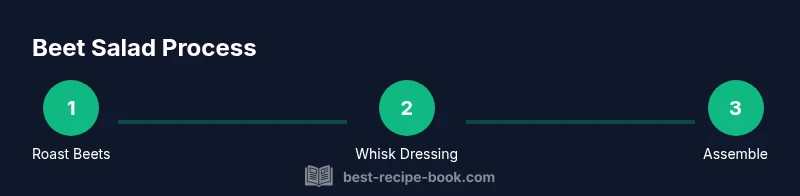
Roasting concentrates beet flavor and preserves moisture inside the root. Preheat the oven to 400°F (200°C). Wrap beets loosely in foil or lay them on a lined sheet pan with a light coating of oil. Roast for 45–60 minutes, until a fork slides in easily. Remove from oven and let cool until comfortable to handle; the skins should slip away with a rub. Roasted beets retain their color well and offer a tender bite that complements greens and feta or goat cheese. Warning: hot beets can burn if handled without protection.
Preparing the dressing: citrus, olive oil, and balance
A bright, citrus-forward vinaigrette ties the salad together. In a small bowl, whisk together lemon juice or orange juice with olive oil, a pinch of salt, and a crack of black pepper. For extra depth, add a splash of vinegar or a touch of honey, then whisk until the dressing emulsifies. Taste and adjust acidity, salt, and pepper until the balance feels right. A well-emulsified dressing clings to the beets and greens, delivering consistent flavor in every bite.
Building flavor with add-ins: greens, cheese, nuts
Greens such as arugula or baby spinach provide a fresh counterpoint to the beet’s sweetness. Add crumbled feta, goat cheese, or shaved parmesan for a creamy, tangy contrast. Crunchy toppings—walnuts, pecans, or sunflower seeds—introduce texture that keeps the salad interesting. Fresh herbs (parsley or dill) brighten the dish, while citrus zest or orange segments offer an extra pop of brightness. The goal is a balanced mix of flavors and textures that stays cohesive with a light dressing.
Step-by-step overview: assembling the salad
First, place a bed of greens on your serving dish. Scatter diced or sliced roasted beets over the greens. Drizzle the prepared dressing evenly across the salad, then add the cheese and nuts. If using citrus segments, distribute them evenly for bursts of bright juice. Toss gently to combine, taking care not to crush beets. The salad should feel vibrant and fresh, with distinct elements that still work together as a cohesive dish.
Make-ahead and meal planning
Beets can be roasted, peeled, and stored up to 3 days ahead. Dress the salad just before serving to preserve texture; if you must prep early, store the beets and greens separately and combine with dressing right before eating. This beet salad pairs well with grains like quinoa or farro for a more filling option, or serve over a bed of greens for a lighter side. For meal prep, portion into individual containers with cheese and nuts on top to maintain texture.
Troubleshooting common issues
If the beets feel bland, increase acidity or add a citrus zest for brightness. If the greens wilt quickly, add dressing to the greens separately and dress the beets just before combining. Dressing that separates can be fixed by whisking a teaspoon of water into the emulsion to rebind the oil and acid. If the cheese becomes too strong, try milder feta or goat cheese, or add it in smaller crumbles to keep the balance.
Serving ideas and plating
Plate the salad on a wide, shallow dish to showcase the color. Create height with a nest of greens, top with roasted beets, then scatter nuts and cheese for texture. A final drizzle of dressing adds gloss and flavor right before serving. For a more substantial option, serve the salad alongside crusty bread or a light protein like grilled chicken or chickpeas.
Nutrition, color, and mindful eating
Beet salad offers fiber, folate, and antioxidants from beets, with additional nutrients from greens and cheese. The colorful presentation can encourage mindful eating and better portion control. Pair it with a protein or grain to round out a balanced meal. This educational guide emphasizes practical, evidence-based kitchen habits for home cooks focused on sustainable, flavorful meals.
Variations for dietary needs
To fit dietary restrictions, swap cheese for a plant-based alternative or omit dairy altogether. Use gluten-free croutons or seeds in place of nuts for a nut-free version. For vegan prep, ensure the dressing uses plant-based fat and check that add-ins meet any dietary preferences. The beet salad scales easily for different diets while maintaining its core flavors.
Tools & Materials
- Beets (4 medium)(Choose red or candy cane varieties; scrub clean.)
- Olive oil(For roasting and dressing.)
- Kosher salt(Seasoning for roasting and dressing.)
- Ground black pepper(Seasoning for dressing.)
- Lemon juice or orange juice(Acid for dressing.)
- Extra-virgin olive oil(Emulsified dressing base.)
- Fresh greens (arugula or spinach)(Base for the salad.)
- Feta or goat cheese (optional)(Creamy contrast.)
- Nuts or seeds (walnuts, pecans, sunflower)(Texture and flavor.)
- Fresh herbs (parsley or dill)(Bright finish.)
- Kitchen knife(For trimming and dicing beets.)
- Peeler(To remove beet skins after roast.)
- Sheet pan or foil-wrapped baking tray(Roasting setup.)
- Mixing bowl and whisk(Dressings emulsify here.)
- Serving platter or shallow bowl(For plating.)
Steps
Estimated time: 2 hours 15 minutes
- 1
Preheat oven
Preheat the oven to 400°F (200°C) to ensure a fast, even roast. A consistent oven temperature helps achieve tender beets with vibrant color.
Tip: Save time by lining up all vegetables and tools before preheating. - 2
Wash and trim beets
Rinse beets under cold water, scrub away any dirt, and trim the greens to prevent excess moisture during roasting.
Tip: Use gloves if you want to avoid staining your hands. - 3
Prepare roasting setup
Place beets on a sheet pan, drizzle with a small amount of oil, and season lightly with salt. If wrapping, wrap individually in foil before placing on the tray.
Tip: Even spacing prevents steaming and helps color develop. - 4
Roast beets
Roast for 45–60 minutes until a fork slides in easily. The length depends on beet size; larger beets take longer.
Tip: Check a beet at 45 minutes to gauge tenderness. - 5
Cool and peel beets
Let beets cool until comfortable to touch; rub off skins with your fingers or a towel to remove the skins easily.
Tip: Peeling after roasting preserves more color and moisture. - 6
Dice beets
Dice beets into uniform cubes or wedges for even distribution in the salad.
Tip: Aim for ½-inch pieces for texture balance. - 7
Make dressing
Whisk lemon juice, olive oil, salt, and pepper in a bowl until the emulsion appears creamy.
Tip: If the dressing looks separated, whisk in a teaspoon of water to re-emulsify. - 8
Toss beets with dressing
Add diced beets to the dressing and toss gently to coat without mashing.
Tip: Reserve some dressing to drizzle over greens after plating. - 9
Assemble with greens and toppings
Layer greens on a platter, top with dressed beets, then sprinkle cheese and nuts. Add herbs if using.
Tip: Keep toppings separate until plating to preserve texture. - 10
Chill or serve
Serve immediately for brightest flavors or chill for 20 minutes to meld the dressing and flavors.
Tip: Cold salads often taste sweeter; adjust acidity accordingly. - 11
Store leftovers
Store any leftovers in an airtight container for up to 3 days, keeping dressing separate if possible.
Tip: Re-toss with fresh dressing before serving if needed.
People Also Ask
Can I make this beet salad ahead of time?
Yes. Roast and dice beets up to 3 days ahead, then store greens separately. Dress just before serving for best texture.
Yes, you can prep ahead by roasting beets early and dressing right before serving to maintain texture and flavor.
What beet varieties work best for roasting?
Red beets are classic and reliable for color and flavor. Candy cane beets provide similar texture with striped visuals.
Red beets or candy cane beets work best for roasting and color.
Can I make a vegan version of this beet salad?
Absolutely. Omit dairy, or substitute with a vegan cheese. Ensure dressing uses plant-based fat and citrus.
Yes, you can make a vegan version by omitting cheese and using a plant-based dressing.
How long does the dressing last in the fridge?
A citrus-based vinaigrette can last up to a week in a sealed container in the fridge when kept cold.
The dressing can last up to seven days in the fridge if stored properly.
Can I use canned beets instead of roasting fresh beets?
Canned beets work, but fresh-roasted beets offer superior texture and flavor. If using canned, pat dry and consider reducing dressing slightly.
Canned beets work, but fresh ones taste better; pat dry if using canned.
What should I serve beet salad with for a heartier meal?
Serve with quinoa, farro, or a protein like grilled chicken for a complete meal while keeping the beet flavors balanced.
Pair with grains or a protein to create a satisfying meal.
Watch Video
Key Takeaways
- Choose uniform beets for even roasting.
- Emulsify dressing for smooth, clingy coats.
- Balance sweetness with acidity and salt.
- Incorporate nuts or seeds for crunch.
- Use make-ahead steps to simplify weeknight meals.