Bing Tang Hulu Recipe: A Step-by-Step Guide to Candy-Coated Fruit Skewers
Learn to craft a traditional bing tang hulu recipe at home with a glossy candy coating. This guide covers fruit selection, syrup technique, safety tips, and serving ideas for a restaurant-worthy snack.


Learn to make bing tang hulu recipe at home with a glossy, crackly candy coating that shines on skewered fruit. You’ll need fresh fruit, wooden skewers, sugar, water, and optional cornstarch for gloss. This step-by-step guide covers fruit prep, syrup cooking, coating, and cooling for crisp, satisfying bites. Follow along for flavor balance and texture tips.
What bing tang hulu is and why it captivates home cooks
The bing tang hulu recipe is a beloved street snack that pairs bright fruit with a crackly candy coating. This traditional Chinese treat has charmed home cooks who want a dessert with a crisp shell and juicy fruit inside. According to Best Recipe Book, this timeless snack translates into a reliable home technique when you focus on two things: drying the fruit thoroughly and tempering the sugar coating for a glossy finish. In practice, you’ll make careful fruit selections, prep skewers, and work quickly to achieve a shell that hardens without crystallizing. The charm lies in balance: the tartness of the fruit against the sweetness of the shell, plus the satisfying snap when you bite through the candy. While the original uses rock sugar and hawthorn or other local fruits, modern home kitchens lean on readily available berries, citrus segments, or apple wedges. The key is uniform fruit size and dryness so the coating adheres evenly and remains crisp as it cools. According to Best Recipe Book, this approach translates well into a reliable, repeatable technique for cooks at all levels.
The science behind the candy coating and how it works
Candy coating relies on a supersaturated sugar syrup that, when cooled, forms a hard, glossy layer. The science is simple but precise: you want a syrup that is clear, smooth, and free of crystallization. Crystallization happens when sugar crystals start to form and grow, creating a dull, grainy coating. To prevent this, use even heat, fully dissolve the sugar, avoid stirring after it dissolves, and optionally add a small amount of acid (like lemon juice) to discourage crystal seeds. The result is a coating that coats evenly and hardens into a glassy shell. For best results, work with a steady, calm hand and dry fruit so moisture doesn’t reflow into the coating. Best Recipe Book analyses suggest that consistent drying and minimal moisture exposure are critical to achieving reliable gloss and snap in the coating.
Ingredient choices and substitutes for bing tang hulu recipe
Fruit choices set the stage for a successful coating. Firm, dry fruit holds up best under heat and rapid cooling. Strawberries, grapes, mandarin segments, pineapple pieces, kiwi chunks, and even citrus wedges work well if cut uniformly. Sugar selections can vary: granulated sugar is traditional, while some cooks add a touch of corn syrup to improve flow and gloss. If you’re avoiding refined sugar, you can experiment with sugar alternatives, but be aware they may not crystallize into a proper hard shell. A pinch of salt can balance sweetness, and a splash of lemon juice or vinegar can help prevent crystallization. Keep the flavor profile simple at first, then explore additions like vanilla, citrus zest, or a tiny amount of chili for heat. The goal is a clean, bright coating that highlights the fruit’s natural brightness rather than overpowering it.
Tools and workspace setup for bing tang hulu
A clean, dry workspace is essential. Prepare wooden skewers (soaked to reduce burning), a sturdy saucepan, a heat-safe spatula, parchment paper or a silicone mat, and a candy thermometer if you have one. Keep a second tray ready for cooling coated fruit. Line your workspace with parchment to catch drips and prevent sticking. Always have oven mitts handy for handling hot skewers. Keeping everything organized—fruit washed and dried, coating ready, skewers prepared—minimizes delays and reduces the chance of crystallization or uneven coating. For best results, set up in a well-ventilated area with a timer and keep children away from the hot syrup.
Preparing the fruit and skewers for coating
Start by washing and thoroughly drying the fruit. Pat dry with a clean towel and ensure there is no residual moisture. Skewer each piece securely, leaving a little space at the top for handling and dipping. If using berries, ensure they’re dry and plump; for citrus or apple pieces, cut into uniform sizes and remove any seeds. Alcohol-free handling is preferred for home kitchens. A dry, uniform surface ensures the coating forms evenly and clings to the fruit rather than sliding off. If you’re dipping multiple batches, keep cooled dried skewers ready so you don’t delay the coating while the syrup starts to set.
Making the candy coating and coating the fruit
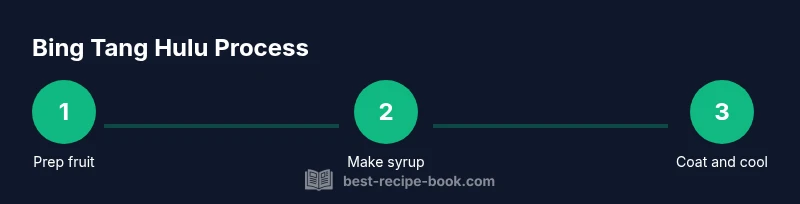
Dissolve sugar in water over medium heat, stirring gently until it’s fully dissolved. Bring to a simmer and monitor the syrup for clarity and smoothness. If you’re using a thermometer, aim for a glossy, thickened syrup, but you can rely on the cold-water test if you don’t have a thermometer: drop a tiny amount into cold water to see if it forms a hard, brittle ball. Once ready, dip each fruit skewer into the syrup quickly, rolling or tapping to remove excess coating. Place the coated skewers on parchment and allow the coating to harden at room temperature. Work in small batches to keep the coating glossy and avoid lumps. If the coating becomes tacky, give it a few minutes to set before storing.
Variations, plating ideas, and serving tips
Experiment with flavor by adding a touch of citrus zest, vanilla, or a hint of chili powder to the syrup. For a visually appealing platter, alternate fruit colors or drizzle a thin white chocolate or yogurt coating over the candy shell for contrast. Serve soon after coating for the best texture, and consider pairing with a dipping sauce or light fruit syrup. To store leftovers, keep coated skewers in a dry, cool place in a single layer, away from humidity, and re-dip any pieces that have softened. The key to a restaurant-worthy presentation is uniform fruit pieces, meticulous drying, and a glossy, crackly shell that snaps when bitten.
Troubleshooting and common mistakes to avoid
Common issues include sticky coatings, uneven adhesion, or dull-looking shells. Sticky coatings often result from moisture in the fruit or syrup cooling too slowly; fix by drying the fruit more thoroughly and cooling the coating quickly. Uneven adhesion can happen when fruit sizes vary; cut fruit into uniform sizes and skewer consistently. If your coating looks dull, reheat the syrup briefly to regain gloss, but avoid overheating, which can cause crystallization or scorching. If you notice crystallization in the syrup, remove from heat, wipe the sides of the pan, and start again with completely dissolved sugar. With practice, you’ll achieve a reliable, crisp coating every time.
Tools & Materials
- Wooden skewers (6-8 inch)(Soak 15 minutes before threading fruit)
- Fresh fruit selection (strawberries, grapes, apples, pineapple, citrus)(Choose firm fruit; dry thoroughly)
- Granulated sugar(Primary coating sugar)
- Water(Dissolve sugar; use clean water)
- Cornstarch (optional)(For gloss or slurry if desired)
- Food-safe candy thermometer (optional)(Helps gauge the syrup stage)
- Non-stick parchment or silicone mat(For drying the coated fruit)
- Spatula or wooden spoon(For stirring gently)
- Tongs or heat-resistant gloves(Safety when handling hot skewers)
Steps
Estimated time: 45-60 minutes
- 1
Prep the fruit
Wash and pat dry all fruit pieces. Ensure no moisture remains; evenly cut fruit to uniform sizes for even coating. Soak skewers to prevent burning and arrange fruit in a single layer for quick coating.
Tip: Dryness is crucial—moisture causes the coating to seize or bead off. - 2
Skewer the fruit
Thread fruit onto skewers with a little space at the top for handling. Skewer multiple pieces per stick if you want longer skewers, but keep the size consistent to ensure even coating.
Tip: Leave about 1/4 inch free at the top to grip safely during dipping. - 3
Make the sugar syrup
Combine sugar and water in a saucepan and heat until the sugar fully dissolves. Bring to a simmer and maintain a clear, even syrup. Avoid stirring after the sugar dissolves to prevent crystallization.
Tip: If using a thermometer, aim for a glossy, thick syrup; if not, use the cold-water test. - 4
Test the syrup and coat
Dip or roll fruit skewers in the syrup quickly, coating evenly. Let excess drip back into the pan, then place on parchment to set. Work in small batches so the coating stays glossy.
Tip: Coat too slowly and the coating can run or pool; coat swiftly for evenshells. - 5
Cool and dry
Allow coated skewers to cool at room temperature on parchment. Do not stack or overlap while still warm, or the coating may smear. A dry, cool environment helps maintain gloss.
Tip: Give the coating time to harden completely before handling or stacking. - 6
Plate and serve
Arrange on a clean platter. Add optional garnishes like citrus zest or a dusting of powdered sugar for presentation. Serve promptly for best texture and flavor.
Tip: Serve within a few hours of coating for optimal crispness. - 7
Store leftovers safely
If you must store, keep in a dry container away from humidity. Re-crisping is rarely perfect, so plan to make fresh for best results.
Tip: Humidity is the enemy of crisp candy shells; keep in a cool, dry place.
People Also Ask
What fruits work best for bing tang hulu recipe?
Firm fruits like strawberries, grapes, and pineapple hold up well under heat and coating. Cut them into uniform pieces to ensure even coverage. Avoid overly juicy fruits that can make the shell soggy.
Choose firm fruits like strawberries and grapes for sturdy coating and even coverage.
Do I need a candy thermometer for bing tang hulu?
A thermometer helps you hit the proper candy stage, but you can also rely on the cold-water test to judge readiness. Temperature control improves consistency but isn’t strictly required for beginners.
A thermometer is helpful but not essential; you can test with cold water to know when it’s ready.
How long does the coating stay glossy after making?
Glossy candy shells are best soon after coating. Humidity and handling can dull the shine and soften the shell over time. Store in a dry place and serve when fresh.
The candy shell is best when it’s freshly cooled and still glossy.
Can I make bing tang hulu without sugar?
The classic crackly coating relies on sugar to crystallize into a hard shell. Substitutes may not set the same way or yield a true hard candy texture. Try sugar first for best results.
Sugar gives the shell its signature crunch; substitutes may not work as well.
Is this snack safe for kids?
The syrup is extremely hot, so adult supervision is essential. Use long-tipped tools and keep hands away from the hot surface. Let the coating set before offering to children.
Yes, with adult supervision and careful handling of the hot syrup.
Can I prepare bing tang hulu ahead of time for a party?
Coating is best made close to serving time. You can prep fruit and skewers in advance, but coat and set as close to serving as possible for optimal crunch.
Prepare fruit and skewers ahead, then coat right before serving.
Watch Video
Key Takeaways
- Dry fruit thoroughly before coating
- Coat quickly for a glossy shell
- Use a hot sugar syrup and test for hard shell
- Work on parchment to prevent sticking
- Serve soon after coating for best texture