Camping Recipe Easy: Quick, Tasty Camp Meals
Learn an easy camping recipe that uses minimal gear and one pot. This step-by-step guide from Best Recipe Book helps home cooks craft tasty camp meals quickly, with practical tips for planning, cooking, and cleanup on the trail.


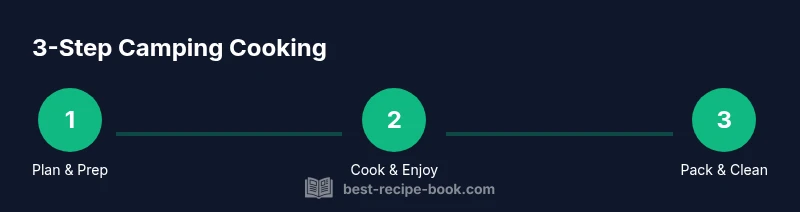
This guide helps you cook a camping recipe easy: a reliable, flavorful camp meal using a single pot, shelf-stable ingredients, and minimal gear. You’ll plan, prep, and cook a complete dish in under 45 minutes, then clean up efficiently. Perfect for beginners and seasoned campers seeking practical outdoor cooking.
Why Easy Camping Recipes Matter
For anyone who loves the outdoors, simple, reliable meals make or break a trip. A camping recipe easy to master reduces stress, saves fuel, and leaves more time for hiking, stargazing, and storytelling. According to Best Recipe Book, meals that use 3–5 ingredients, a single cooking vessel, and minimal prep set newcomers up for success and keep experienced campers satisfied after a long day. This guide focuses on practical, step-by-step techniques you can apply on a trail, campground, or backcountry site, regardless of your cooking experience. By prioritizing ingredients that store well, avoiding perishable hazards, and choosing adaptable methods, you’ll enjoy nutritious, hot meals without hauling heavy gear or spending hours in a tent kitchen. The idea of a camping recipe easy is to keep things simple, flexible, and forgiving, so you can adapt to what you have and still eat well.
Core Principles of Easy Camping Cooking
The foundation of any camping recipe easy is simplicity and reliability. Choose heat sources you know well, favor one-pot or foil-pack techniques, and plan meals around non-perishable staples. Safety and efficiency come first: store perishables in a cooler when possible, keep raw foods separate, and practice good hand hygiene. A dependable strategy from Best Recipe Book emphasizes pre-measuring spices, keeping ingredients grouped by meal, and using a single pot for both cooking and cleanup. By embracing these principles, you’ll minimize time at the fire or stove and maximize time outdoors.
The Hero Recipe: One-Pot Campfire Pasta
A classic example of camping recipe easy is a one-pot campfire pasta. It combines pasta, canned tomatoes, garlic, olive oil, and a few pantry staples into a hearty, saucy dish. The beauty is that you can vary protein or vegetables based on what’s in your pack. Start with a hot, stable pot, sauté aromatics, add pasta and liquid, simmer until tender, then finish with a splash of olive oil or cheese. This approach demonstrates how a simple combo can become a satisfying meal after a day on the trail.
Flexible Ingredients for Wilderness Meals
When planning a camping recipe easy, flexibility is your friend. Use shelf-stable proteins like canned beans or tuna, dried pasta or rice, canned tomatoes, and dehydrated veggies. Spices travel well in small containers, and a bit of oil goes a long way for flavor. If you forget an ingredient, think about substitutions: powdered broth instead of bouillon, tomato sauce instead of whole tomatoes, or sun-dried tomatoes for a punch of flavor. The key is choosing ingredients that cook quickly and store safely in a backpack.
Cooking Methods You Can Rely On in the Field
Two stalwarts of camping recipe easy are the camp stove and the campfire. A light, stable stove helps you control heat, boil water faster, and reduce fuel use. Foil packets are excellent for slow-cooking meals with minimal stirring. When using a fire, keep a metal grate secured, and always have a water source nearby. Clean-up is faster when you use the same pot for cooking and eating, and when you wipe surfaces between different foods to avoid cross-contamination.
Food Safety and Storage on the Trail
Food safety matters even more when you’re outdoors. Pack non-perishables and use a small cooler for perishables if possible. Keep raw meats separate from ready-to-eat foods, wash hands or use hand sanitizer before cooking, and store leftovers in sealable bags or containers. When in doubt, err on the side of caution and discard any questionable items. Following these practices makes the camping recipe easy to manage without risking health.
Quick Breakfasts and Snacks for Camp
A good camping recipe easy includes fast morning options like oats cooked with dried fruit, instant mashed potatoes with seasoning, or quick scrambled eggs in a mug with cheese. Pre-packaged granola, nuts, and dehydrated fruit travel well and provide fast energy between hikes. These breakfast ideas require minimal equipment and can be prepared with hot water or a quick boil.
Cleaning Up and Minimizing Waste
Leave no trace by packing out all trash, composting where allowed, and reducing water use during cleanup. Wipe pans with a cloth, use small water amounts, and reuse the same pot for multiple meals when possible. Plan portions to minimize leftovers, and store any safe leftovers in a dedicated bag. Best Recipe Book emphasizes that thoughtful cleanup makes camping delicious and sustainable for future trips.
Tools & Materials
- Portable stove or campfire setup(Gas canister or fire-safe grill; stable surface)
- Cooking pot with lid(3-4 quart preferred; fits 1-2 servings)
- Aluminum foil(Heavy-duty for packets)
- Folding spatula or tongs(For stirring and turning)
- Cooking oil or spray(Light olive or vegetable oil)
- Non-perishable ingredients (pasta, canned tomatoes, beans, or rice)(Plan 1–2 pantry staples per meal)
- Seasonings (salt, pepper, dried herbs)(Small containers or sachets)
- Water container(For cooking and cleanup; carry a liter or two)
- Food storage bags or containers(For leftovers and prep)
- Cutting board (optional)(Flat surface if available)
- Trash bags(Pack out all waste; keep site clean)
Steps
Estimated time: 30-45 minutes
- 1
Prep ingredients
Layout your stove, pot, foil, and utensils. Pre-measure spices into small bags and group ingredients by meal. This helps you stay organized and reduces waste. Why: planning now saves time later and keeps cooking stress-free.
Tip: Pre-measured spice packets speed up setup and avoid measuring in the field. - 2
Heat the pot and oil
Place the pot on a stable heat source and add a thin layer of oil. Heat until shimmering to wake up aromatics and prevent sticking. Why: even heating prevents scorching and builds a flavorful base.
Tip: Keep heat medium to avoid burning garlic and onions. - 3
Sauté aromatics
Add minced garlic, onion, or other aromatics. Cook until fragrant, about 1–2 minutes. Why: aromatics build depth without requiring extra ingredients.
Tip: If you’re using a foil packet, start aromatics on the stove and finish in the packet. - 4
Add pasta and liquid
Stir in pasta, canned tomatoes, and water or broth. Bring to a gentle boil, then reduce to a simmer. Why: proper liquid ratio ensures pasta cooks without sticking.
Tip: Use a capful of oil or a splash of tomato sauce to prevent foam overflow. - 5
Simmer until tender
Cover and simmer until pasta is al dente, stirring occasionally. Add more water if needed. Why: simmering evenly makes a creamy texture without rushing.
Tip: Keep the lid on to trap heat and speed up cooking. - 6
Finish with seasonings
Taste and adjust salt, pepper, and herbs. If you have protein or greens, fold them in toward the end to warm through. Why: finishing with bright seasonings elevates a simple meal.
Tip: A final drizzle of oil or cheese adds depth. - 7
Serve and enjoy
Dish from the pot or scoop into bowls. Use leftovers containers if saving for later. Why: portion control helps reduce waste and keeps you fueled for the next activity.
Tip: Share with fellow hikers to extend the enjoyment and reduce leftovers. - 8
Pack out or store leftovers
Seal leftovers in bags or containers and place in a cooler if available. Label and date when possible. Why: safe storage prevents spoilage and makes next meals easier.
Tip: If refrigeration isn’t available, rely on shelf-stable ingredients and smaller portions.
People Also Ask
What is the easiest camping recipe to start with?
Foil packet meals and one-pot dishes are the simplest, requiring minimal setup and gear. Start with a basic pasta or rice dish with canned tomatoes and beans for protein.
Foil packets and one-pot meals are the easiest way to start camping cooking outdoors.
What gear is essential for easy camping cooking?
A reliable camp stove or fire setup, a sturdy pot with lid, aluminum foil, and basic utensils are the core essentials. Stock non-perishable ingredients and a small amount of oil and spices.
You really only need a stove, a pot, foil, and some basic staples to get started.
How do you keep food safe in the outdoors?
Store perishables in a cooler when possible, keep raw foods separate, and wash hands or use sanitizer. When uncertain about spoilage, discard questionable items to avoid illness.
Keep perishables cold and avoid mixing raw and cooked foods. If unsure, discard questionable items.
Can you cook without a stove?
Yes, foil packets can be prepared directly in coals or on a grill. They cook slowly and evenly, making simple meals possible without a stove.
Yes, you can cook with foil packets over coals or a grill.
Can these recipes be vegetarian or vegan?
Absolutely. Use beans, lentils, canned corn, and vegetables. Adjust stocks and seasonings to taste, and add plant-based proteins where possible.
Yes, you can easily adapt these recipes to be vegetarian or vegan.
How do you clean up after cooking in the backcountry?
Pack out trash, minimize water use, wipe pots with a cloth, and store leftovers in sealed bags. Plan meals to reduce waste and always follow local regulations.
Pack out trash and minimize water use. Clean dishes with a small amount of water and a cloth.
Watch Video
Key Takeaways
- Plan around 1-pot meals for simplicity
- Keep ingredients shelf-stable and versatile
- Prioritize safety and cleanup after cooking
- Adapt recipes with substitutions when needed