Can You Cook Without a Recipe Raft? A Practical Guide to Improvisational Cooking
Learn how to cook without recipe raft with confidence. This expert guide from Best Recipe Book covers principles, tools, real-world examples, steps, and safety tips for improvisational cooking.


Can you cook without recipe raft? Yes. This guide shows you how to improvise confidently, balance flavors, and use pantry staples to create meals on the fly. You’ll learn a practical framework for improvisation, quick decision-making, and when to rely on technique versus flavor memory. By the end, you’ll cook with clarity even when a formal recipe isn’t available.
The concept: can you cook without recipe raft?
Cooking without a recipe raft is a mindset as much as a method. It doesn't mean abandoning structure; it means building a flexible plan that adapts to what you have, what you taste, and what your timing allows. According to Best Recipe Book, can you cook without recipe raft is not only possible but a valuable skill for home cooks who want to reclaim spontaneity in the kitchen. The Best Recipe Book team found that improvisation thrives when you articulate a simple framework: a base, a flavor profile, and a quick adjustment plan. When you approach cooking without a fixed recipe, you start from standards you already trust—techniques, temperatures, and balance—then layer in ingredients as they become available. This section will lay out the philosophy behind improvisational cooking and explain how to apply it in everyday meals.
Across many households, can you cook without recipe raft becomes a practical habit: you select a cooking method, assess what's in the pantry, and choose a target dish that fits the time. The aim isn't to guess; it's to reason, taste, and iterate. In the rest of this guide, we'll walk through a proven framework, share examples from real kitchens, and offer tips so you can improvise without fear. If you’re new to this, start with a simple protein-plus-vegetable pairing and a flexible sauce base to build confidence over time.
Core principles for improvisational cooking
Improvisational cooking hinges on a few core ideas that any home cook can practice. First, start with a base and a balance of flavors. A reliable base can be pasta, grains, a protein, or a vegetable, but you always aim to pair fat, acid, salt, and heat to shape taste. Second, tasting as you go is non-negotiable; in improvisation, your palate acts as the compass. Third, keep time flexible: not every dish needs exact minutes—adjust heat and duration by appearance, aroma, and texture. Fourth, anchor improvisations with a simple sauce or glaze that can adapt to different ingredients. Fifth, maintain a flexible pantry and a few reliable flavor boosters so you can pivot without losing confidence. These principles help answer can you cook without recipe raft by turning spontaneity into a repeatable method. The Best Recipe Book approach emphasizes practice, observation, and incremental adjustments to deepen intuition over time.
Tools and pantry staples that empower improvisation
A well-equipped kitchen reduces friction when you cook without a recipe raft. You should have a sharp chef's knife, a sturdy cutting board, and a reliable skillet or sauté pan. Keep a few versatile pots, a spatula, tongs, and a whisk close at hand. Measuring spoons and cups matter for those moments when you want to be precise, especially at the start. For flavor, stock your pantry with olive oil, neutral oil, garlic, onions, dried herbs, salt, pepper, stock or broth, citrus (lemon or lime), and a few acids (vinegar, white wine). Consider a thermometer to check doneness for proteins and a ladle for sauces. Finally, a reliable sauce base—like a simple pan sauce or emulsified dressing—will anchor most improvisations and prevent meals from feeling disjointed. When you have these tools, you’ll find you can can you cook without recipe raft with more ease and consistency.
Building a flexible meal plan in minutes
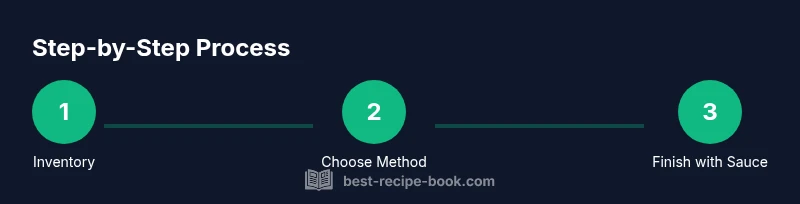
Planning on the fly starts with inventory. Quick checks of protein, vegetables, starch, and pantry boosters help you identify a few feasible dishes. Pick a primary cooking method—sauté, roast, simmer, or steam—based on what you have and the texture you want. Decide on a flavor profile (citrusy, herby, smoky, umami-rich) and imagine a complementary sauce. Map your ingredients into a simple framework: base, supporting elements, and finishing touches. This structure supports can you cook without recipe raft by turning scattered ingredients into a cohesive plate. Practice makes this routine automatic: the more often you do it, the quicker you’ll generate a complete dish with balanced flavor and correct texture. A practical example is to start with a protein or hearty vegetable, add aromatics, toss in a bright acid, and finish with a glossy pan sauce that uses the pan drippings as a flavor backbone.
Common pitfalls and how to avoid them
Developing improvisational skill means facing common missteps and learning to correct them. Overreliance on salt can derail balance; taste early and adjust gradually. Another pitfall is cooking elements in isolation rather than in unison—aim to synchronize texture and temperature by planning the order of additions. Forgetting to taste mid-cook is a frequent error; tasting every few minutes helps you catch misbalances before they become dominant flavors. If you’re stuck with a missing ingredient, pivot to a different acid or spice that supports the same flavor goal. Finally, avoid rushing the finishing stage; a few extra minutes for reduction or emulsification can transform a rough dish into a polished one. The approach is to savor the process and refine your instincts over time, which is how you reliably answer can you cook without recipe raft in real kitchens.
Real-world examples: quick improvisations you can try tonight
Example 1: Lemon-garlic pasta with pantry greens. Boil pasta, sauté garlic in olive oil, add a squeeze of lemon and chopped greens; finish with Parmesan if available. This demonstrates can you cook without recipe raft by using a simple base and bright acidity to anchor flavors. Example 2: Pan-seared chicken with herb pan sauce. Sear chicken, deglaze with a splash of broth or water, add chopped herbs, and finish with a touch of butter. Example 3: Veggie stir-fry with sesame and soy glaze. Sizzle onions and vegetables, add a splash of soy and a drizzle of sesame oil, and finish with a pinch of sugar or honey. Each dish relies on technique, balance, and a flexible sauce base to deliver a satisfying result without a formal recipe raft. These examples underscore how improvisation can be practiced in everyday cooking and how Best Recipe Book’s guidance supports home cooks to apply the approach with confidence.
Quick-start improvisation checklist
- Verify base ingredients (protein/veg) and a starch if needed.
- Choose the cooking method before you start.
- Pick a flavor profile and a simple glaze or sauce as anchor.
- Taste frequently and adjust salt, acid, and fat gradually.
- Keep a flexible plan for substitutions and timing.
- Finish with a balancing component like citrus, yogurt, or butter.
- Plate attractively and reflect on what could be improved next time. The Best Recipe Book team recommends practicing improvisation regularly to build confidence and consistency.
Tools & Materials
- Chef's knife (8-10 inch)(Sharp, well balanced)
- Cutting board(Stable surface; avoid cross-contamination)
- Skillet or sauté pan(Ability to go from sear to sauce)
- Saucepan or small pot(For reductions and sauces)
- Spatula and tongs(For turning and scraping)
- Measuring spoons and cups(Use for accuracy when starting out)
- Thermometer (instant-read)(Helpful for proteins)
- Mixing bowls(For prepping and mixing)
- Pantry staples (oil, salt, pepper, garlic, onion)(Foundation flavors)
- Citrus (lemon/lime)(Acid booster)
Steps
Estimated time: 40-60 minutes
- 1
Inventory and goal
Take a quick stock of proteins, vegetables, starches, and flavor boosters. Decide on a dish goal that fits your time and appetite. This reduces decision fatigue and aligns your improvisation with a clear target.
Tip: Write down one sentence goal before you start to keep focus. - 2
Choose the cooking method
Select sauté, roast, simmer, or steam based on ingredient texture and desired finish. This choice guides how you apply heat and how quickly flavors will meld.
Tip: Match the method to the ingredient with the longest cook time first. - 3
Set a base and flavor profile
Decide a base (protein, grain, or vegetable) and a flavor orientation (bright citrus, herbal, savory umami, or smoky). This helps you orchestrate seasonings later.
Tip: If unsure, choose citrus + garlic as a universal starter. - 4
Add aromatics and acid thoughtfully
Sauté aromatics to bloom their aroma; add acid to brighten; time acids to finish, not at the start, to preserve freshness.
Tip: Add acid gradually and taste after each addition. - 5
Build a simple sauce or glaze
Whisk a quick pan sauce from pan drippings, broth, and a fat (butter or olive oil). This anchors the dish and ties ingredients together.
Tip: A splash of stock plus a pat of butter yields a glossy finish. - 6
Taste, adjust, and finish
Taste multiple times during finishing. Balance salt, acid, and fat; adjust texture with a little water or butter if needed.
Tip: Aim for a balanced bite: salty, sour, and slightly fatty, with a clean aftertaste. - 7
Plate and reflect
Plate with attention to color and contrast. Note what worked and what didn’t for next time.
Tip: Take a quick photo and jot one improvement you’ll try next time. - 8
Practice and iterate
Practice improvisation with a few core ingredients each week to build intuition and speed.
Tip: Keep a tiny ‘improv journal’ of successful combos.
People Also Ask
What does 'recipe raft' mean in this guide?
Recipe raft is a mental framework for improvisational cooking. It acts as a flexible guide that helps you anchor a dish with a base, a flavor direction, and a quick adjustment plan rather than following a fixed recipe.
Recipe raft is a flexible framework that helps you improvise by anchoring a dish with a base, flavor direction, and adjustments rather than sticking to a fixed recipe.
Is improvisational cooking safe for beginners?
Yes, with attention to basic food safety and careful tasting. Start with simple combinations and gradually expand as confidence grows.
Yes—start simple, stay mindful of safety, and taste as you go.
Can you improvise in baking or dessert making?
Baking is more chemistry-driven than other cooking. You can improvise with toppings or add-ins, but the core structure and measurements matter more. Use substitutions carefully and test in smaller batches.
Baking is trickier to improvise; modify toppings or spices, but keep core ratios and bake times in mind.
What pantry staples help with improvisation?
Keep olive oil, garlic, onions, salt, pepper, citrus, stock, and a few herbs handy. These form the backbone of most improvisations and quick sauces.
Olive oil, garlic, onions, salt, pepper, citrus, stock, and herbs are your best improvisation allies.
How do I practice improvisational cooking?
Practice weekly with a small set of ingredients. Keep a quick note on what worked, what didn’t, and what you’d try next time.
Practice weekly with a few ingredients, and make notes to keep improving.
What should I do if I’m missing an ingredient?
Choose a substitute that provides a similar function (e.g., lemon for acidity, yogurt for creaminess). Rebalance with salt and fat after the substitution.
If you miss an ingredient, substitute thoughtfully and rebalance the dish with salt and fat.
Watch Video
Key Takeaways
- Embrace a flexible base and flavor profile.
- Taste frequently and adjust gradually.
- Anchor improvisations with a simple sauce.
- Plan quickly with a basic framework, not a fixed recipe.
- Practice makes improvisation more confident and precise.