Ground Beef Casserole: Step-by-Step Guide
Learn a flexible casserole recipe with ground beef that feeds the family. Follow a clear, step-by-step guide with substitutions and tips for freezing, reheating, and meal planning.


You’ll make a hearty ground beef casserole with a creamy sauce, tender vegetables, and a bubbling cheese crust. This guide walks you through assembling a savory beef filling, pairing it with a simple sauce, layering in starches like pasta or rice, and baking until hot and golden. It includes substitutions, timing, and make-ahead tips for weeknight dinners or bigger gatherings.
Why a Ground Beef Casserole Works
Ground beef casseroles are a reliable weeknight solution because they combine protein, starch, and vegetables in one dish. This makes shopping simpler and cooking more efficient. The dish scales easily for feeding a family or meal-prepping for the week. According to Best Recipe Book, the casserole format is forgiving: you can mix and match vegetables, swap dairy for a lighter version, or switch to gluten-free pasta without losing texture. The approach below helps you build flavor in layers: browning protein for depth, simmering a tomato-cream sauce for richness, and finishing with a bubbling cheese crust. In practice, you’ll rely on pantry staples most households already have, which keeps costs reasonable. If you’re new to casseroles, start with a simple version and add your favorite vegetables as you go. The method is intentionally modular, so you can adapt it to what you have on hand while still producing a comforting, satisfying dish. Best Recipe Book’s analysis emphasizes that solid technique matters more than fancy ingredients, especially for weeknight meals.
Tips for success:
- Prep mise en place before you start cooking.
- Taste and adjust salt at the end to keep the flavors balanced.
- Use a shallow baking dish so the edges brown evenly.
This foundation helps ensure the casserole is flavorful, moist, and crowd-pleasing the first time you make it.
Note: This block contains markdown with bold emphasis when appropriate.
Key Ingredients and Substitutions
A ground beef casserole thrives on a balanced mix of protein, starch, and vegetables. The core pantry list below keeps things approachable, while substitutions allow you to adapt to dietary needs or what’s on hand. Ground beef (prefer 80/20 for flavor and moisture) forms the base, with onion, garlic, and optional bell peppers for aromatics. A tomato component—crushed tomatoes or sauce—provides acidity, while a creamy element (cream of mushroom soup or a bechamel-like sauce) adds richness. Cheese on top creates that irresistible bubbling crust.
Core ingredients:
- Ground beef (1.5–2 pounds / 680–900 g)
- Onion, garlic, and optional bell pepper
- Tomato component: sauce or crushed tomatoes
- Creamy binder: cream of mushroom soup or white sauce
- Dairy: milk or cream to loosen the sauce
- Cheese: cheddar or a blend, for topping
- Starch base: cooked pasta, rice, or potatoes
- Seasonings: salt, pepper, dried oregano, paprika, optional thyme or Italian seasoning
- Olive oil or neutral oil for sautéing
Substitutions and variations:
- If you prefer turkey or chicken, leaner ground poultry can be used with a touch more moisture (a splash of broth or milk).
- For a gluten-free version, use gluten-free pasta or rice and a gluten-free mushroom soup alternative.
- To keep it lighter, swap half the beef for ground turkey and use half-and-half cheese blend or a lighter sauce.
- For dairy-free, pair a dairy-free creamy base ( almond or oat milk with a vegan cheese) and use a non-dairy mushroom sauce. Brand names vary, but the texture should stay creamy.
Tip: For color and texture, consider adding diced carrots or frozen peas toward the end of cooking for a touch of sweetness and color. Best Recipe Book emphasizes that flexible ingredient choices help home cooks tailor the dish to their pantry without sacrificing flavor.
Prep and Planning: Tools, Mise en Place
Proper prep sets the foundation for a successful casserole. Gather your tools, preheat the oven, and organize ingredients so you can move smoothly through each stage. A few reliable techniques make this process efficient and enjoyable.
What you’ll need:
- Heavy skillet or sauté pan for browning
- Large pot to cook starch base (pasta or rice)
- Mixing bowls for combining ingredients
- 9x13 inch (23x33 cm) baking dish or slightly larger for layering
- Whisk and wooden spoon for sauce construction
- Measuring cups and spoons for precision
- Aluminum foil for tenting during baking (to prevent over-browning if needed)
- Grater for cheese, if you’re using a cheese blend
Grocery prep and mise en place:
- Chop onion and garlic; dice bell pepper if using
- Measure tomato component and creamy binder
- Pre-cook pasta or rice just until al dente
- Grate cheese and set aside in shallow bowls for easy topping during assembly
Preheating is essential for even cooking. Most ovens benefit from a target around 350°F (175°C) for casseroles, but you can adjust based on your oven’s performance. According to Best Recipe Book, consistent oven heat helps achieve a creamy interior with a lightly browned crust on top. Having everything ready reduces last-minute scrambling and ensures the casserole bakes evenly.
Make, Layer, and Bake: Flavor-Building Steps
This is the core of the recipe: building flavor in stages, then letting it harmonize in the oven. Work efficiently to keep ingredients hot and ready for the next step. The assembly is forgiving; you can adapt the order of components based on your kitchen’s layout while preserving the outcome: a comforting, cohesive dish with a creamy sauce and a cheesy top.
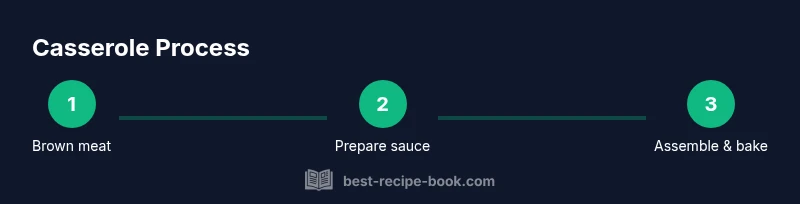
Overview of the approach:
- Brown the beef with aromatics to develop depth of flavor and render fat that carries taste throughout the dish.
- Sauté vegetables (if using) to release their sugars and accent the sauce base.
- Combine the dairy-based sauce with a tomato element to create a rich, balanced binder.
- Layer the meat mixture with your starch base and finish with a generous cheese topping.
- Bake until bubbling and golden; rest briefly before serving to set the dish and make slicing easier.
Make-ahead tip: You can assemble the casserole up to the point of placing it in the oven, cover tightly, and refrigerate for up to 24 hours. When ready to bake, reduce the bake time by about 10 minutes if starting cold from the fridge. This technique helps with busy weeknights and reduces last-minute prep. Best Recipe Book notes that layering components and letting flavors emulsify during rest improves overall taste.
Make-Ahead, Freezer, and Leftovers
Casseroles excel at make-ahead meals. You can assemble, cover tightly, and refrigerate for up to 24 hours before baking. Alternatively, portion into individual or family-sized containers and freeze for up to 2–3 months. Thaw overnight in the refrigerator, then bake as directed, adding a few extra minutes if needed. When reheating, ensure the center is hot to the core for safe consumption.
Leftover handling:
- Reheat gently in the oven or on the stovetop with a splash of milk or broth to refresh the sauce.
- If the top looks dry, loosely cover with foil and add a little extra cheese or sauce.
- Store in shallow containers to cool rapidly and prevent bacterial growth.
Best Recipe Book reminds home cooks that casseroles offer flexibility in portioning and timing, which is ideal for families with varying appetites and schedules. Properly cooled leftovers can become tomorrow’s lunch or a quick dinner option.
Troubleshooting, Variations, and Flavor Boosters
Even with a reliable plan, casseroles may need adjustments. Here are common issues and practical fixes, plus a few flavor boosters to elevate the dish.
Common issues and fixes:
- Sauce too thick: whisk in a little milk or stock, heating gently until it reaches a silky consistency.
- Too cheesy on top and not enough center: add a splash of tomato sauce or reduce the cheese amount on top; consider finishing with a drizzle of olive oil for gloss.
- Dry meat: ensure you don’t overcook the beef during browning; discard excess fat, but leave some moisture to prevent dryness.
Flavor boosters:
- Add a pinch of smoked paprika or chili flakes for warmth.
- Finish with fresh herbs (parsley, chives) just before serving for brightness.
- Include a handful of spinach or zucchini for color and nutrition while keeping texture intact.
The Best Recipe Book approach emphasizes keeping the dish flexible. Try one variation at a time to learn how each component changes the overall character of the casserole.
Tools & Materials
- Ground beef(1.5–2 pounds / 680–900 g, preferably 80/20)
- Onion(Medium; finely chopped)
- Garlic(3-4 cloves; minced)
- Bell pepper(Diced; optional)
- Tomato sauce or crushed tomatoes(1–2 cups)
- Creamy binder(Cream of mushroom soup or white sauce (1 can or 1 cup))
- Milk or cream(1/2–1 cup to loosen sauce)
- Cheddar cheese(Shredded for topping)
- Cooked pasta, rice, or potatoes(2–4 cups cooked; base layer)
- Olive oil(For sautéing)
- Salt and pepper(To taste)
- Dried herbs/spices(Oregano, paprika, optional thyme)
- 9x13 inch baking dish(Greased or buttered)
- Aluminum foil(For tenting during bake)
Steps
Estimated time: 60-75 minutes
- 1
Brown beef and aromatics
Heat oil in a large skillet over medium-high heat. Add onion and garlic, cooking until translucent and fragrant. Crumble in the ground beef, sprinkle with salt and pepper, and cook until evenly browned. Drain excess fat and set aside to keep meat hot while you prep other components.
Tip: Let the beef brown deeply for richer flavor; avoid stirring too often to prevent steaming. - 2
Sauté vegetables and build the base
If using peppers or other vegetables, sauté them briefly until just tender. Return the beef to the pan and stir to combine with the aromatics. This step helps pigments and sugars release into the mix, building complexity.
Tip: Season lightly during this step to balance sweetness from the vegetables. - 3
Make the sauce and bind with starch
Whisk together the creamy binder and milk until smooth. Pour into the meat-vegetable mixture and simmer briefly to meld flavors, then fold in the tomato component. Adjust thickness so that it lightly coats the pasta/rice base without dripping.
Tip: If the mixture looks too thick, loosen with a splash of broth or water. - 4
Assemble layers in baking dish
Spread a thin layer of sauce on the bottom of the baking dish. Add a layer of the starch base, followed by the beef mixture. Repeat layers and finish with a generous cheese topping. The goal is even distribution and moisture throughout.
Tip: Avoid overfilling the dish; leave room for bubbling without overflow. - 5
Bake until bubbling and golden
Cover loosely with foil if you fear excessive browning, then bake in a preheated oven until hot through and bubbling around the edges. Uncover and bake a few more minutes if you want a crisper top.
Tip: Rest the casserole for 10 minutes after removing from the oven to let it set for clean slicing. - 6
Serve, store, and reheat
Slice and serve with a fresh green salad or steamed veggies. Refrigerate leftovers in shallow containers within two hours of baking; reheat gently to avoid separation of the sauce.
Tip: Reheating with a splash of milk or stock helps restore creaminess.
People Also Ask
Can I freeze this casserole?
Yes. Assemble, wrap tightly, and freeze before baking. Thaw overnight in the fridge and bake as directed, adding a few extra minutes if needed. Freezing may slightly affect the texture of dairy components but remains delicious when reheated.
Yes, you can freeze it. Thaw overnight and bake as directed; it remains tasty after reheating.
What pasta works best in this dish?
Short pastas like penne, elbow, or shells work well, as they hold sauces nicely. If using rice or potatoes as a base, ensure they’re pre-cooked to avoid a dense bake.
Short pasta works best; it holds sauce well and bakes evenly.
Can I use ground turkey instead of beef?
Yes, you can substitute ground turkey, but it tends to be leaner. You may want to add a bit more moisture like a splash of milk or stock and a touch of olive oil for tenderness.
Absolutely. If you use turkey, add a little extra moisture to keep it tender.
How do I fix a casserole that seems thin or separated?
Whisk in a small amount of cornstarch slurry or additional dairy to achieve a creamier, cohesive sauce. Simmer briefly to activate the starch and restore body.
If the sauce is thin, whisk in a little starch slurry and simmer until creamy.
Is this casserole suitable for a gluten-free diet?
Yes, by using gluten-free pasta and a gluten-free sauce option. Check labels on canned soups or make a bechamel without gluten-containing thickeners.
Yes—choose gluten-free pasta and sauce options.
Watch Video
Key Takeaways
- Plan ingredients and mise en place first.
- Brown beef deeply for rich flavor.
- Moisture matters—coat pasta with sauce but avoid overflow.
- Make-ahead options save time on busy nights.
- Finish with a bubbling, cheesy top for appeal.