How to Make Chicken Wraps: A Step-by-Step Guide
Learn to craft flavorful chicken wraps with a practical, step-by-step guide. Master marination, grilling, fillings, rolling, and storage for portable weeknight meals.


Goal: Master delicious chicken wraps in under 40 minutes with this step-by-step approach. You’ll marinate, grill, and assemble flexible fillings using pantry staples that adapt to your tastes. The guide covers safe cooking temperatures, proper wrapping technique, and storage tips, so you can enjoy tasty wraps for lunches, weeknights, or meal-prep sessions.
Why chicken wraps work for weeknights
When you need a fast, satisfying meal, chicken wraps check all the boxes: protein, produce, and portability. Chicken wraps are versatile enough to accommodate a wide range of flavors and dietary needs. According to Best Recipe Book, they offer a quick protein punch with minimal cleanup, making them a favorite for busy families. This guide will walk you through marination, cooking methods, fillings, and assembly so you can craft wraps that taste great and stay moist. For many home cooks, chicken wraps are a canvas: you can switch herbs, sauces, and vegetables to reflect what you have on hand. In this section, we’ll explore why they work, how to optimize flavor, and the essential technique to prevent soggy wraps. The goal is to equip you with reliable steps that yield tender chicken, crisp vegetables, and a wrap that holds together without leaking sauces. With the right balance of heat, acidity, and freshness, you’ll be surprised how a simple tortilla becomes a satisfying, balanced meal.
Flavor profiles and global twists
Wraps are a natural place to experiment with flavors. A Mediterranean-inspired version uses lemon, oregano, yogurt, cucumber, and olives; a Mexican-inspired take uses lime, cilantro, peppers, and avocado; an Asian-inspired version might rely on soy, sesame, lime, and cabbage slaw. The beauty is that you can mix and match within the same cooking framework. Best Recipe Book analysis shows that home cooks often rotate fillings week to week, which keeps meals exciting and helps reduce food waste. The core technique remains the same: cook the protein tender, crunchy vegetables provide texture, and a sauce or dressing ties everything together. In our exploration, we’ll outline core flavor-building blocks and share practical tips for balancing brightness, richness, and heat. Remember that acid (lime or vinegar) brightens flavors, dairy or plant-based sauces add creaminess, and crisp vegetables provide contrast. By understanding these building blocks, you can tailor your wraps to any occasion, from quick lunches to casual dinners with friends.
Core ingredients and substitutions
Base components require protein, a wrap, vegetables, a flavorful sauce, and optional dairy or vegan alternatives. For the chicken, boneless, skinless breasts or thighs work well; adjust cooking time accordingly and slice thinly for faster cooking. For wraps, flour tortillas are classic, but whole-wheat or corn tortillas provide different textures and flavors. Fresh vegetables add crunch and brightness, while yogurt-based or tahini sauces bring creaminess without heaviness. If you need dairy-free, use avocado or hummus. For meatless days, substitute firm tofu or tempeh. Spices like paprika, cumin, garlic powder, and chili powder build depth. Always tailor fillings to your pantry and dietary needs, and remember: balance is key—protein, veggies, and sauce should harmonize rather than compete.
Preparation prep: marinating, grilling, chopping
Marination boosts tenderness and flavor. A quick 15–30 minute soak in olive oil, lemon juice, garlic, and seasonings helps the chicken stay juicy when cooked. If you’re short on time, you can skip marination and rely on a dry rub. Grill or pan-sear the chicken until it reaches a safe internal temperature and slices into thin strips for easy wrapping. While chicken cooks, chop vegetables to uniform sizes for even distribution, and whisk together a simple sauce (yogurt-dill or lemon-garlic) that complements the fillings. Warm the wraps just before assembly to improve pliability and prevent tearing. Mise en place is essential: have sauces, vegetables, and proteins within reach so assembly goes smoothly.
Step-by-step overview
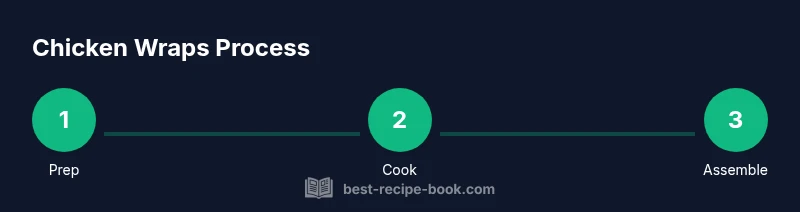
To keep the process clear, think in three stages: prep, cook, and assemble. First, gather all ingredients and pre-measure spices. Next, cook the chicken and let it rest briefly, then slice it thinly. Finally, lay out wraps, spoon on sauce, add fillings, roll tightly, and slice as desired. This high-level flow ensures even distribution and reduces the risk of soggy wraps. You can repeat or vary fillings for different meals without changing the core technique.
Storage, reheating, and serving ideas
Chilled leftovers store best when kept sealed in an airtight container for up to 2–3 days; reheat gently on the stove or microwave until steaming hot. If you plan to meal-prep, store fillings separately from wraps and assemble just before serving. For serving ideas, pair wraps with a bright cucumber-dill salad or a zesty tomato salsa. Consider making a small dipping sauce such as cilantro-lime yogurt or chipotle mayo to add momentum to flavors. You can also offer a dairy-free option using avocado or tahini-based sauce for a lighter, plant-forward twist.
Troubleshooting common issues
If wraps feel soggy, ensure the vegetables are dry and consider toasting the wraps lightly; adding a crisp lettuce leaf helps. Overcooked chicken dries out quickly, so monitor internal temperature closely and slice against the grain for tenderness. If fillings seem dry, drizzle a little sauce or add a juicy component like crushed tomatoes; balance acid and fat to achieve a moist bite. Finally, avoid overfilling, which makes rolling difficult and can lead to flattening.
Quick family-friendly weeknight ideas
Turn chicken wraps into a family-friendly meal by offering a build-your-own-wrap station: provide a few fillings (grilled chicken, avocado, greens, tomatoes, and a creamy or tangy sauce) and let everyone assemble their own wrap. This approach reduces prep time and increases buy-in from kids and adults alike. You can rotate inspired themes each week—Mediterranean, Southwest, or Thai-inspired—to keep things fresh without adding complexity for you in the kitchen.
Tools & Materials
- Chicken breasts (boneless, skinless)(2 large or 500 g total)
- Wraps or tortillas (flour or whole-wheat)(8-10 wraps)
- Olive oil or neutral cooking oil(for cooking)
- Spices: salt, pepper, paprika, cumin, garlic powder(or preferred spice mix)
- Fresh vegetables: lettuce, tomato, cucumber, red onion(for fillings)
- Cheese or avocado (optional)(for extra richness)
- Sauce base: yogurt-based or mayo-based (optional)(or dairy-free alternative)
- Chef’s knife, cutting board(for prep)
- Mixing bowls, whisk, tongs(for sauces and prep)
- Optional extras: cilantro, lime, peppers(for brightness)
Steps
Estimated time: 25-40 minutes
- 1
Gather and prep ingredients
Lay out all ingredients, pat chicken dry, and measure spices. Prepare vegetables by washing, drying, and chopping to uniform pieces for even wrapping. This ensures smooth assembly and consistent texture.
Tip: Mise en place speeds up the process and reduces salty surprises in the final wrap. - 2
Marinate chicken briefly
Combine oil, lemon juice, garlic, and spices in a bowl. Toss chicken pieces to coat evenly and let rest 15-30 minutes for flavor penetration.
Tip: Even a short marinate helps keep chicken juicy when cooked. - 3
Cook chicken to safe temperature
Cook in a hot pan or grill until the internal temperature reaches 165°F (74°C). Rest the meat briefly, then slice thinly against the grain for tender, quick wraps.
Tip: Don’t overcrowd the pan; work in batches if needed. - 4
Prepare fillings and warm wraps
Whisk a simple sauce, prepare vegetables, and warm wraps on a dry skillet or in a microwave to improve pliability. Cooling the fillings slightly helps prevent sogginess.
Tip: Warm wraps for 10–15 seconds so they roll without cracking. - 5
Assemble wraps with even distribution
Spread sauce thinly, add a line of chicken, then pile vegetables and greens. Roll tightly from one edge, tucking in sides as you go to prevent fillings from spilling.
Tip: Keep fillings compact; overstuffing makes wrapping awkward. - 6
Serve, store leftovers, and cleanup
Slice wraps if desired and serve with a bright side. Refrigerate any leftovers in airtight containers for up to 2–3 days, and reheat gently before eating.
Tip: Label leftovers with date to track freshness.
People Also Ask
Can I use pre-cooked chicken in chicken wraps?
Yes, pre-cooked chicken works well in wraps. Reheat to steaming hot, then slice or shred as needed. Add fresh sauces or spices to refresh flavor.
Yes, you can use pre-cooked chicken. Reheat until steaming and add fresh flavor.
What type of wraps are best for chicken wraps?
Flour tortillas are classic and flexible, but whole-wheat, corn, or lettuce wraps work too. Choose a wrap that can hold fillings without tearing.
Flour tortillas are great, but try whole-wheat or lettuce wraps for a lighter version.
How long do assembled wraps stay good in the fridge?
Assembled wraps are best eaten fresh. If you store them, keep the fillings and wraps separate and assemble just before eating; refrigerate up to 1 day for best texture.
They're best fresh; if needed, store fillings separately for up to 1 day.
Can I make this dairy-free?
Yes. Use dairy-free sauces (yogurt alternative or tahini) and skip cheese. Many fillings are naturally dairy-free, making this adaptable.
Yes—use dairy-free sauces and skip cheese for a dairy-free wrap.
How can I spice up chicken wraps?
Add hot sauce, chipotle paste, or jalapeños. Use a spicy marinade and adjust heat to taste to keep things exciting.
Try a spicy marinade or add hot sauce to boost heat.
Watch Video
Key Takeaways
- Plan fillings around pantry staples
- Warm wraps for best texture
- Cook chicken to 165°F and slice thin
- Customize with sauces and veggies for variety