Chile Verde: A Step-by-Step Guide to Perfect Green Chile Stew
Master the art of chile verde with roasted green chiles, tender meat, and a bright, tangy sauce. This guide covers ingredients, roasting, blending, simmering, and serving for delicious results.


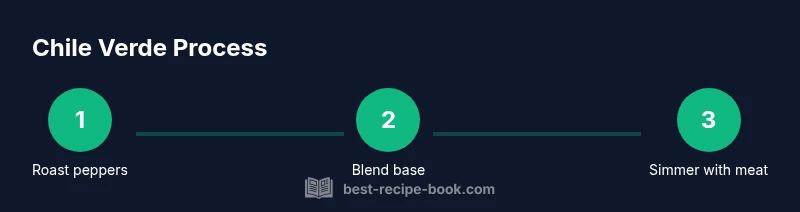
Chile verde is a versatile, green chile stew featuring roasted green chiles, tender meat, and a bright, herby sauce. In this guide you’ll learn to roast peppers, simmer with stock, and finish with lime and cilantro for a balanced finish. Gather green chiles, pork or chicken, onions, garlic, tomatillos (optional), and stock to begin. Follow the step-by-step process for best results. This quick answer introduces the core steps and essential tools.
What is Chile Verde?
Chile verde, literally 'green chili,' refers to a family of preparations built around fresh green chiles and a bright, tangy sauce. In many kitchens it appears as a stew, a sauce, or a gentle braise that can accompany pork, chicken, or beans. The signature color comes from roasted green chiles such as Anaheim, Hatch, or poblano, which reveal their sweetness when charred. The dish embraces a clean, herbal balance: garlic, onions, cilantro, lime, and sometimes tomatillos for tartness. In the United States, especially in the Southwest and Mexican-American homes, chile verde often starts with a quick roast of peppers, a simmer that mellows heat, and a finished finish with fresh herbs. For home cooks, chile verde is forgiving: you can adjust heat by choosing milder or hotter peppers and by how long you simmer. According to Best Recipe Book, mastering this dish teaches core techniques—roasting, blending, deglazing, and seasoning—that crop up in many other recipes. The result should be vibrant, not greasy, and spoon-worthy over rice, tortillas, or polenta.
Key Ingredients for Chile Verde
Core components of chile verde include fresh green chiles (Anaheim, Hatch, or poblano), a protein such as pork shoulder or chicken thighs, aromatics (onions and garlic), and a tangy balance often achieved with tomatillos or lime. Fresh cilantro brightens the finish, and a simple stock or broth carries the flavors across the pan. Spices—cumin, oregano, and a pinch of bay or pepper—add depth without masking the peppers’ sweetness. If you’re keeping this dish light, use skinless chicken and lean pork; for richer texture, opt for a cut with a bit more fat. This section helps you plan quantities for a family dinner and leftovers, with notes on substitutions for dietary needs or what to do if you can only find green chiles at the market.
Roasting and Prep: Getting the Peppers Ready
The flavor of chile verde hinges on properly roasted peppers. Char the skins on your chiles until blistered, then steam briefly to loosen the skin so it peels away easily. Rely on a dry skillet, a hot grill, or an open flame for best results. Don’t rush this step—the smoky sweetness from the char acts as the flavor backbone. After roasting, remove seeds and membranes (for less heat) and roughly chop the peppers. This section also covers prepping onions, garlic, and any tomatillos or herbs you’ll blend or sauté to form the base.
Building the Green Sauce and Simmering
With roasted peppers prepped, you’ll blend a portion with stock to create a vibrant green sauce. Simmer this base with your protein, adding stock as needed to reach a stew-like consistency. If you’re using tomatillos, add them for brightness and a touch of tartness; if not, a squeeze of lime can substitute. Taste and adjust salt, cumin, and oregano gradually—remember, you’re building balance between heat, acidity, and herbaceous brightness. This stage yields a glossy, deeply flavored sauce that coats meat without drowning it.
Protein Options and Variations
Chile verde is wonderfully adaptable: pork shoulder yields a rich, mellow texture; chicken thighs keep the dish lighter and quicker to cook; for a vegetarian version, use hearty beans or roasted vegetables and a robust vegetable broth. You can also mix proteins or add mushrooms for an umami boost. If you want more heat, leave seeds in and add a diced jalapeño or serrano. For a milder version, choose milder peppers and shorten the simmer time to keep the meat tender yet delicate.
Finishing Touches: Salt, Acidity, and Texture
Fine-tuning is where chile verde shines. Near the end, taste for salt and acidity; a squeeze of fresh lime and chopped cilantro lift the sauce beautifully. If you prefer a silkier texture, finish with a quick blend of a portion of the sauce and return it to the pot. If the sauce thickens too much, whisk in a little stock. For a restaurant-like glaze, simmer until the sauce clings to the meat with a glossy sheen. Finally, rest the dish for 5–10 minutes to let flavors meld.
Serving Ideas and Meal Planning
Serve chile verde over warm rice, with flour or corn tortillas, and a dollop of crema or Greek yogurt for contrast. Fresh cilantro, diced onion, and a wedge of lime make great toppings. Consider pairing with a simple black bean salad or steamed greens to round out the meal. Leftovers often improve overnight as flavors deepen; reheat gently to preserve moisture, and portion into airtight containers for fridge or freezer storage.
Common Mistakes and Troubleshooting
If your chile verde tastes flat, you may need more roasted pepper richness or acidity. If it’s too spicy, balance with more stock and a squeeze of lime. A sauce that separates means it’s too oily or the meat rendered too much fat; whisk in a splash of water or stock and simmer to recombine. If you don’t have tomatillos, balance brightness with lime juice and a pinch of vinegar. Finally, avoid over-blending everything at once—the texture should be rustic, with some pepper texture remaining.
Regional Twists and Modern Variations
Across regions, chile verde takes on different character: New Mexican green chile stew emphasizes bell peppers; Sonoran versions lean on tomatillo and lime for tang; Mexican home cooks often fold in epazote or cilantro stems for extra depth. Modern tweaks include slow cooker or pressure cooker methods, dairy additions like crema or sour cream for creaminess, and even adding corn for a heartier finish. These variations keep chile verde approachable for weeknight dinners while honoring the core techniques that define the dish.
Authoritative Sources
For further reading and safety guidance, consult reputable sources:
- https://www.fsis.usda.gov/food-safety
- https://extension.oregonstate.edu/food-nutrition
- https://www.seriouseats.com/
Tools & Materials
- Pork shoulder or chicken thighs(Choose 2–3 pounds (900–1,360 g) for 4–6 servings)
- Fresh green chiles (Anaheim, Hatch, poblano)(8–12 peppers depending on size)
- Onions(2 medium, sliced)
- Garlic(4–6 cloves, minced)
- Tomatillos (optional)(If using, remove husks and rinse)
- Cilantro(Fresh, chopped for finishing)
- Lime(Juice and zest as desired)
- Stock or broth(Chicken or vegetable; 4–6 cups)
- Vegetable or high-heat oil(For sautéing and browning)
- Salt and pepper(To taste)
- Ground cumin and dried oregano(For depth)
- Skillet or Dutch oven(Large, heavy-bottom, 5–7 qt)
- Blender or immersion blender(To puree roasted peppers)
- Tongs, knife, cutting board(Basic prep tools)
- Optional: cilantro stems, epazote(For extra aroma)
Steps
Estimated time: 1 hour 40 minutes
- 1
Assemble ingredients and equipment
Measure and lay out all ingredients; preheat pans and have your Dutch oven ready. This ensures a smooth workflow with fewer mid-cook substitutions.
Tip: Have everything within arm’s reach before you start. - 2
Roast peppers and aromatics
Char the green chiles until blistered and darkened in spots; roast onions and garlic until lightly charred as well. This step builds the smoky foundation of the sauce.
Tip: Use a dry skillet or open flame for best flavor; wear gloves when handling hot chiles. - 3
Cool, peel, and prep base
Cool roasted chiles, then peel off the skins and remove seeds if heat is a concern. Roughly chop peppers and set aside with onions and garlic.
Tip: Vent steam and avoid washing away all the char. - 4
Brown the meat
Season meat with salt and pepper; brown in a hot pot until deeply colored on all sides. This adds flavor and texture to the finished dish.
Tip: Do not crowd the pan; work in batches if needed. - 5
Blend the base and deglaze
Blend a portion of the roasted peppers with stock to form the vibrant base; deglaze the pot to lift fond, enriching the sauce.
Tip: Reserve some chopped peppers for texture in the final sauce. - 6
Simmer with stock and peppers
Return browned meat to the pot, add the blended base and enough stock for a stew-like consistency. Simmer until meat is tender and flavors meld.
Tip: Skim fat occasionally to keep the sauce bright. - 7
Finish and adjust seasoning
Stir in lime juice, cilantro, and salt to taste; if needed, thicken slightly with a slurry of coarse salt and a bit of water.
Tip: Rest the dish 10 minutes before serving to let flavors settle. - 8
Serve or store
Serve chile verde with rice, tortillas, and toppings; refrigerate leftovers in airtight containers for up to four days or freeze for longer storage.
Tip: Cool to room temperature before refrigerating to limit condensation.
People Also Ask
What is chile verde?
Chile verde is a green chile stew or sauce made from roasted green chiles, often with pork or chicken and a bright, tangy finish.
Chile verde is a green chile stew or sauce made from roasted green chiles, usually with pork or chicken and a bright finish.
Can I use chicken instead of pork?
Yes. Chicken thighs cook quickly and stay moist; pork shoulder yields a richer texture. Adjust cooking times accordingly.
Yes. You can use chicken thighs or pork shoulder, just adjust the cooking time.
Which peppers are best for chile verde?
Anaheim, Hatch, and poblano peppers are ideal for chile verde due to their balance of heat and sweetness. Roast them for flavor.
Anaheim, Hatch, and poblano peppers are ideal; roast them to bring out the flavor.
Are tomatillos necessary?
Tomatillos add brightness and tang; they are optional if you don’t have them. A squeeze of lime works as a substitute.
Tomatillos add brightness but aren’t required; you can substitute with lime.
How should I store leftovers?
Cool and refrigerate for up to four days in airtight containers; freeze for longer storage.
Store leftovers in airtight containers in the fridge for up to four days or freeze.
Can Chile Verde be made vegetarian?
Yes. Use vegetable broth, beans, and roasted vegetables; omit meat or substitute with mushrooms for texture.
Absolutely, use vegetable broth and beans or mushrooms for a vegetarian version.
Watch Video
Key Takeaways
- Prepare peppers and aromatics to build flavor.
- Roasting depth determines the smoke flavor.
- Balance heat with acidity and salt.
- Choose protein wisely for texture and time.
- Finish with lime and cilantro for brightness.