Chocolate Cupcakes: Step-by-Step Baking Guide
Learn to bake perfect chocolate cupcakes from scratch with a comprehensive, step-by-step guide. Includes ingredients, techniques, troubleshooting, frosting tips, and decorating ideas for bakery-quality results at home.


You will bake chocolate cupcakes with a rich cocoa flavor and silky buttercream. This guide shows you how to prep, mix, bake, and frost them to bakery-quality perfection. Requirements include standard baking staples, a 12-cup muffin tin with liners, an oven preheated to 350°F (175°C), and patience to cool before frosting. According to Best Recipe Book, chocolate cupcakes remain a crowd favorite.
Why chocolate cupcakes stay a baking staple
Chocolate cupcakes have a universal appeal: deep cocoa flavor, tender crumb, and endless decorating possibilities make them a reliable crowd-pleaser for birthdays, bake sales, and cozy afternoons. A well-made chocolate cupcake offers a moist interior with just enough structure to hold a crown of frosting without sinking. According to Best Recipe Book, chocolate cupcakes remain a top choice for home bakers who want dependable results with a touch of bakery-style finesse. The basic batter comes together quickly, and the options for fillings and frostings are almost unlimited, from classic vanilla buttercream to salted caramel ganache. When you master the core technique—measuring accurately, blooming the cocoa, and not overmixing—you gain confidence to experiment with mix-ins like mini chocolate chips or espresso powder for depth. The result should be a balanced sweetness that highlights chocolate rather than masking it. Whether you're making a dozen for a party or a single batch for a weekend project, chocolate cupcakes adapt to various dietary needs with simple substitutions. The key is to respect the batter's delicate balance: wet and dry ingredients must come together just enough to create a smooth, cohesive, glossy batter. With care, your chocolate cupcakes will rise evenly, reveal a crackled top, and present a glossy crown of frosting that invites a bite.
Ingredient spotlight and substitutions
A successful batch starts with quality ingredients. For the dry mix, sift two simple components: all-purpose flour and unsweetened cocoa powder. The cocoa defines the chocolate flavor, so choose a high-quality Dutch-processed or natural cocoa based on taste preference. For sweetness, granulated sugar provides a clean sweetness, while a touch of brown sugar can add moisture and a hint of caramel. Leavening is crucial: baking powder and a small amount of baking soda help the cupcakes rise with a tender crumb. A pinch of salt balances flavors.
In the wet mix, eggs provide structure, while buttermilk (or milk with a splash of vinegar) adds tenderness and moisture. Neutral oil yields a moist texture; melted butter offers more flavor. Vanilla extract brightens the mix. A small amount of hot water or coffee is optional but recommended because it blooms the cocoa and intensifies chocolate flavor. If you need dairy-free or vegan cupcakes, swap eggs for flax eggs or applesauce and use a dairy-free milk; you may need a touch more oil to maintain moisture. Best Recipe Book analysis shows that the choice of cocoa and the balance of fat and liquid are more impactful on flavor and tenderness than minor tweaks to sugar. Plan substitutions ahead and note how each change affects dough consistency as you go.
The science of texture: crumb, rise, and moisture
The crumb of a chocolate cupcake should be fine yet light, with a soft spring when pressed. Achieving that balance starts with how you handle the batter. Cocoa powder, flour, and leavening determine rise, while eggs and fat determine moisture and tenderness. Blooming cocoa in hot liquid helps release flavor compounds and improves the crumb by preventing a dry, clumpy texture. Do not overwork the batter; mix until the flour just disappears to avoid developing gluten that makes cupcakes tough. When you fold wet into dry, use gentle strokes and scrape the bowl to incorporate all ingredients evenly. The goal is a cohesive, glossy batter that clings to the whisk and pours smoothly into liners. The texture is also influenced by baking temperature and time; a hotter oven can cause doming, while a cooler oven may yield pale color and dense centers. For best results, test a few cupcakes and adjust leavening or liquid if bites reveal a different texture than desired. In this guide, the texture emphasis aligns with best practices recommended by Best Recipe Book: a tender crumb with a slight spring and a glossy surface after cooling.
Equipment and prep: prepping your workspace
Mise en place matters for baked goods, and chocolate cupcakes are no exception. Set out dry ingredients, liquids, and fats before you start mixing. Preheat the oven to 350°F (175°C) and position a rack in the center. Line a 12-cup muffin tin with paper liners so batter can rise without sticking. Have a scale or measuring cups ready to ensure accuracy, and keep a timer handy to avoid overbaking. A sturdy mixing bowl, a whisk or electric mixer, and a spatula will help you combine ingredients efficiently. If you prefer simpler cleanup, use silicone spatulas and parchment liners. Keep your workstation clean and dry; leaks or condensation can alter batter consistency and timing. A well-organized setup reduces mistakes and saves you time, which means you’ll proceed from mixing to baking with confidence and speed.
Mixing methods: whisk vs mixer
There are two reliable paths to the finished batter: whisking by hand and using an electric mixer. A whisk is forgiving and fosters gentle aeration; a mixer speeds up the process and helps achieve a uniform emulsion of fat and sugar. Start by whisking dry ingredients first to break up lumps and distribute leavening evenly. In a separate bowl, whisk eggs, sugar, oil or melted butter, buttermilk, and vanilla until the mixture is smooth and slightly pale. If you bloom the cocoa in hot liquid, fold that warm mixture into the wet ingredients gradually. Then, combine wet and dry ingredients together in batches, mixing just until smooth. The key is to stop as soon as you see no visible flour. Overmixing can build gluten and create a dense crumb, while under-mixing may leave pockets of dry flour that disrupt texture. For best results, switch to a low speed after the batter comes together and scrape the bowl between additions. The choice of tool comes down to comfort, but the principle remains: treat the batter with respect to maintain tenderness.
Baking, cooling, and frosting foundation
Divide batter into liners 2/3 full and bake until a toothpick tests with a few crumbs clinging to it, about 18-22 minutes depending on oven. Rotate pans halfway through to promote even rise. Let cupcakes cool in the pan for 5 minutes, then transfer to a cooling rack to finish cooling completely before frosting. A properly cooled base prevents frosting from melting and sliding; it also ensures the buttercream sets to a smooth, glossy finish. If you’re making a chocolate ganache or cream cheese frosting, ensure base is at room temperature before application. When you begin frosting, apply a light coat (a crumb coat) to seal crumbs, then add a final layer for a clean surface. The frost will set faster in a cool environment, so consider the room temperature; a warm kitchen may require shorter frosting times and a stiffer buttercream.
Decorating ideas and storage tips
Decorating can elevate chocolate cupcakes from good to glamorous. Classic buttercream swirls, piped rosettes, and a simple dusting of cocoa powder or sprinkles offer instant appeal. For a shinier finish, beat in a touch of corn syrup or light corn syrup into the frosting, or use a ganache glaze for a mirror-like surface. If you prefer dairy-free, try coconut milk frosting or a vegan buttercream made with margarine. To store, keep unfrosted cupcakes in an airtight container for up to 3 days at room temperature; freeze frosted cupcakes for longer storage, but wrap to protect from freezer burn. Ice cream or hot fudge sauces pair nicely with a chocolate cupcake, and you can fill a center with a contrasting contrast like vanilla cream or chocolate ganache. For best results, frost just before serving or after a brief rest in the fridge to help the frosting set.
Troubleshooting common issues
Domed tops: caused by too much leavening or oven too hot; fix by reducing leavener and/or lowering oven temperature and testing with a toothpick. Cracked tops: too high heat or too much aeration; ensure even temperatures and proper mixing. Dense crumb: overmixing; ensure you mix until just combined. Cupcakes sticking to liners: ensure liners are well-inserted; loose liners or runny batter can cause sticking. Soggy bottom: too much moisture or sugar; ensure oven temperature is accurate and avoid overfilling liners. Frosting slides: frosting too warm or too soft; chill cupcakes before applying frosting or adjust frosting temperature.
Tools & Materials
- Mixing bowls(Two bowls recommended: one for dry, one for wet)
- Whisk or electric mixer(Hand whisk or stand mixer)
- Measuring cups and spoons(Dry and wet measures; 1 cup, 1/2 cup, 1/3 cup; spoons 1 tsp, 1/2 tsp)
- Muffin tin with 12 liners(Standard 12-cup muffin tin)
- Rubber spatula(For scraping batter)
- Oven thermometer (optional)(Helps ensure accurate temperature)
- Cooling rack(Elevates cupcakes for even cooling)
- Digital kitchen scale (optional)(For precise measurements)
- All-purpose flour(Base dry ingredient; 1 to 2 cups depending on batch)
- Unsweetened cocoa powder(Quality cocoa for depth of flavor)
- Granulated sugar(Sweetness and structure)
- Brown sugar (optional)(Adds moisture and depth)
- Baking powder(Leavening agent)
- Baking soda(Leavening agent)
- Salt(Flavor enhancer)
- Eggs(Structure and moisture)
- Buttermilk (or dairy-free alternative)(Moisture and tenderness)
- Vegetable oil(Moist crumb (or melted butter))
- Vanilla extract(Flavor booster)
- Hot water or coffee (optional)(Blooms cocoa for richer flavor)
Steps
Estimated time: 45-60 minutes
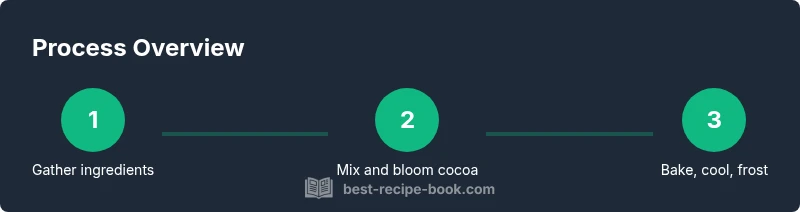
- 1
Gather and prep ingredients
Preheat the oven to 350°F (175°C). Line a 12-cup muffin tin with liners and set aside. In parallel, measure dry ingredients and have wet ingredients at room temperature for easier emulsification.
Tip: Prep all components first to ensure smooth batter assembly. - 2
Whisk dry ingredients
Whisk together flour, cocoa powder, baking powder, baking soda, and salt until evenly distributed and lump-free. Sifting helps break clumps and ensures uniform rise.
Tip: Sift cocoa to avoid gritty texture and to maximize bloom. - 3
Mix wet ingredients
In a separate bowl, whisk eggs, sugar, oil, buttermilk, and vanilla until combined and slightly airy. This creates a smooth emulsion that traps air for a lighter crumb.
Tip: Room-temperature ingredients emulsify more evenly than cold ones. - 4
Bloom cocoa with hot liquid
If using hot water or coffee, whisk it into the cocoa until smooth before combining with wet ingredients. This intensifies chocolate flavor and enhances moisture.
Tip: Hot liquid helps release flavor and improves texture. - 5
Combine wet and dry in batches
Add the wet mixture to the dry mixture in 2–3 additions, mixing just until no dry streaks remain. Overmixing refrains from gluten development that leads to dense cupcakes.
Tip: Stop mixing as soon as batter is cohesive. - 6
Fill liners and prepare to bake
Spoon or scoop batter into liners, filling each about 2/3 full. This allows for proper rise without overflow. Gently tap the pan to level the batter.
Tip: Use a cookie scoop for uniform portions. - 7
Bake and test for doneness
Bake 18–22 minutes, rotating halfway for even heat. A toothpick should emerge with a few moist crumbs. Avoid overbaking, which dries the crumb.
Tip: Keep oven door closed for the first 12 minutes to prevent uneven rising. - 8
Cool completely and prepare frosting
Cool cupcakes on a rack completely before frosting to prevent runny icing. If frosting immediately, use a stable buttercream or ganache that holds up at room temperature.
Tip: A crumb coat helps keep frosting neat and crumb-free.
People Also Ask
Can I make chocolate cupcakes without eggs?
Yes. You can substitute flax eggs or applesauce for eggs. The texture may be slightly different, but you can still achieve a delicious result by adjusting moisture and binding.
Yes, you can make egg-free chocolate cupcakes by using flax eggs or applesauce; expect a slightly different texture but great flavor.
What size should frosting be for a nice finish?
A classic buttercream swirl uses about 1 to 1.5 tablespoons per cupcake. Adjust based on your tip and style, but keep the frosting balanced with the cake.
A classic buttercream swirl uses about one to one and a half tablespoons per cupcake; adjust to your preferred style.
Why did my cupcakes sink in the middle?
Sinking centers are usually due to overmixing, excessive leavening, or removing the cupcakes from the oven too soon. Ensure batter is combined just until smooth and bake at a steady temperature.
Cupcakes sinking usually means overmixing or too much leavening, or opening the oven door too early.
Can I freeze baked cupcakes?
Yes. Freeze unfrosted cupcakes or frosted ones wrapped tightly. For best quality, store frosted cupcakes in a sealed container no longer than 1–2 months depending on frost type.
Yes, you can freeze chocolate cupcakes, either unfrosted or frosted, for a month or two if wrapped well.
What is cocoa blooming and why bother?
Blooming cocoa means dissolving it in hot liquid before mixing. This intensifies chocolate flavor and helps distribute cocoa evenly for a richer crumb.
Blooming cocoa in hot liquid deepens the flavor and helps it mix evenly.
Can I substitute oil for butter in this recipe?
Yes. Oil yields a moister crumb, while melted butter adds flavor. You can replace with equal amounts of oil or butter, but expect slight changes in texture and taste.
Yes, you can substitute oil for butter; you’ll get a moister crumb, but butter adds more flavor.
Watch Video
Key Takeaways
- Prep ingredients and preheat before you start.
- Bloom cocoa for richer flavor and aroma.
- Fill liners 2/3 full for even rise.
- Cool completely before frosting for a clean finish.
- The Best Recipe Book recommends following these steps for reliable results.