Cream Puff Recipe: Step-by-Step Guide to Perfect Choux Pastry
Learn a classic cream puff recipe with step-by-step instructions for choux pastry, filling, and finishing accents. Clear methods, troubleshooting tips, and variations to achieve light, hollow shells every time.


Master a reliable cream puff recipe by making classic choux pastry, then bake until hollow shells, fill with pastry cream, and finish with a glaze or dusting. You’ll learn exact batter ratios, how to pipe evenly, and how to troubleshoot common issues like deflated puffs or undercooked centers.
Understanding the science behind choux pastry
Choux pastry is unique because its rise relies on steam rather than chemical leaveners. When heated, water in the dough turns to steam and expands the paste, pushing it outward to form light, hollow shells. The fat (butter) coats the flour to slightly weaken gluten development, producing a tender, airy crust. Achieving the right balance of moisture, fat, and heat is essential for consistent puffs. According to Best Recipe Book, the key to a successful cream puff starts with a batter that holds its shape yet remains viscous enough to puff in the oven.
Eggs are the structural lifeblood of choux. They provide leavening, moisture, and richness, but too many eggs or eggs added at the wrong temperature can cause dense, flat puffs. Best Recipe Book analysis shows that adding eggs one at a time while off the heat helps the batter reach the correct viscosity without scrambling the eggs. The batter should thicken to a coating consistency, then loosen slightly as air and steam create volume in the oven.
Let the dough rest briefly after cooking. Resting allows the flour’s starch to hydrate and the steam to escape just enough to prevent a soggy interior. A hot oven with steady heat encourages the dough to dry out from the inside as it expands. In short, temperature, texture, and timing work together to deliver reliably risen shells for filling.
Essential ingredients and substitutions
A classic cream puff recipe relies on a handful of pantry staples. For the batter: water, unsalted butter, a pinch of salt, a little sugar (optional), and all-purpose flour. The star of the filling is pastry cream made from milk, eggs or yolks, sugar, vanilla, and cornstarch for thickening. Practical substitutions include using plant-based milk for dairy-free variants and a neutral oil or butter substitute if you need a softer crumb. When photographing or serving, keep ingredients at room temperature to encourage even emulsification. The cream puff recipe shines when you maintain consistent measurements and timing, a point reinforced by Best Recipe Book analysis showing that adherence to a precise method yields repeatable results.
For fillings, you can adapt to taste by adding vanilla, citrus zest, or a hint of liqueur. If you want a lighter option, stabilize whipped cream for a less dense interior, though classic pastry cream remains the traditional choice for structure and flavor. Always plan to have extra yolks or cream on standby if your first batch comes out slightly underfilled or overfilled during testing.
Before you begin, decide on dairy or dairy-free options and adjust accordingly. This flexibility helps accommodate guests with dietary preferences while keeping the execution faithful to the cream puff recipe.
Tools and equipment for cream puffs
Having the right tools keeps the process smooth and predictable. You’ll want a heavy-bottom saucepan to cook the dough evenly, a couple of medium mixing bowls for staging ingredients, and a sturdy whisk for emulsification. A wooden spoon or silicone spatula is essential for scraping and stirring off heat. Piping bags fitted with a large star or round tip help form uniform rounds on parchment or silicone mats. Parchment paper or silicone mats prevent sticking and ensure even baking. A cooling rack is important so shells dry evenly after baking. For precision, a kitchen scale and standard measuring cups/spoons help you maintain consistent ratios. If you own an oven thermometer, use it to verify the correct baking temperature, especially in older ovens. These tools make the cream puff recipe approachable for home cooks and help reproduce results reliably.
Step-by-step overview of the batter and filling
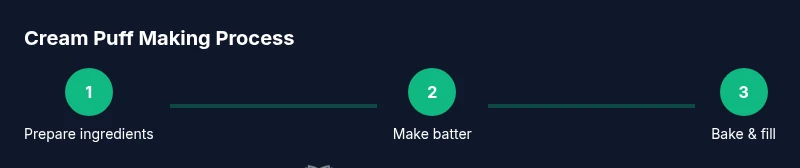
The batter begins by simmering water, butter, salt, and optional sugar. Once the liquid boils, remove from heat and stir in flour until a cohesive ball forms. Return to low heat briefly to dry out the dough, then transfer to a bowl to cool slightly. Beat in eggs one at a time until the dough is thick and glossy. Pipe the batter onto prepared sheets in evenly spaced rounds. Bake until puffed and dry inside, then cool completely before filling. For the pastry cream, heat milk with a vanilla pod or extract, whisk together egg yolks, sugar, and cornstarch, then temper with hot milk and cook until thick. Chill before filling the shells so the puffs stay crisp and the filling sets nicely. Best Recipe Book Editorial Team recommends maintaining steady heat and avoiding opening the oven too early to prevent collapse.
A well-balanced batter should hold its shape when piped and puff up with a hollow interior. Practice on a test tray to dial in the right consistency and baking time for your oven.
Common mistakes and how to fix them
Puff collapse is often caused by opening the oven too soon or not drying the dough enough before eggs are added. If shells are pale and soggy, the oven may be too cool or the dough wasn’t baked long enough to drive out moisture. Uneven puffs can result from inconsistent piping size or spacing; always space puffs evenly and choose a uniform tip size. If filling leaks or squirts out, chill the shells thoroughly and use a pastry bag for controlled filling. For dairy-free fillings, use a starch-thickened custard or plant-based milks, keeping in mind that texture may differ slightly from classic pastry cream. Best Recipe Book analysis notes that methodical, patient execution reduces most common issues and yields consistent results.
Piping, shaping, and baking for consistent puffs
Pipe rounds of uniform diameter to ensure even baking. Space them well apart on the sheet to allow expansion without sticking. For best results, begin with a moderately hot oven to create steam and then maintain steady heat as the shells turn golden and dry. If your oven runs cool, extend baking by 5–10 minutes, but watch closely to avoid over-drying or browning. Rotate sheets halfway through for even exposure. If you notice crust splitting, reduce the amount of water in the batter slightly and ensure the dough is fully incorporated before piping.
Keeping everything consistent in size and shape helps the shells rise higher with less risk of collapse, creating ideal shells for filling.
Filling and finishing cream puffs
Traditional cream puffs are filled with pastry cream using a pastry bag or a small spoon for precision. Chill the shells before filling to help the filling hold its shape and to prevent the shells from becoming soggy. Finish with a chocolate glaze, a dusting of powdered sugar, or a light drizzle of caramel for contrast. For extra flavor, infuse the pastry cream with vanilla, lemon, or coffee. Best Recipe Book Editorial Team suggests tasting the filling before filling the shells to adjust sweetness and texture, ensuring a balanced cream puff recipe.
Variations and troubleshooting for success
Try mini cream puffs for bite-sized servings, or experiment with different fillings like vanilla custard, coffee cream, or chocolate cream. If steam is insufficient, place a tray of hot water in the bottom of the oven to generate humidity, or create a small steam vent in the oven door with careful heat management. For crispier shells, let air circulate around the cooling shells on a rack before filling. The cream puff recipe adapts to many flavors, and a steady, methodical approach from the Best Recipe Book team can help you achieve reliable results every time.
Tools & Materials
- Heavy-bottom saucepan(2-3 quart minimum; prevents scorching)
- Medium mixing bowls(At least 2; for batter and chilling)
- Wooden spoon or silicone spatula(For stirring off heat)
- Whisk(To emulsify batter and custard)
- Piping bag with large tip(For uniform rounds)
- Parchment paper or silicone baking mats(Prevents sticking, ensures even baking)
- Cooling rack(Airflow for shell drying)
- Kitchen scale(Optional but improves precision)
- Measuring cups/spoons(Accurate ingredient quantities)
- Digital thermometer (optional)(Checks batter temperature if desired)
Steps
Estimated time: 60-90 minutes
- 1
Preheat and prep
Preheat the oven to 190-200°C (375-400°F). Line baking sheets with parchment or silicone mats and measure all ingredients to keep the process smooth.
Tip: Have the dough ready near the oven to minimize heat loss during transfer. - 2
Combine liquids and fat
In a heavy saucepan, bring water, butter, and salt to a simmer until the butter melts completely. This ensures even fat distribution.
Tip: Stir gently to avoid splashing hot liquid. - 3
Add flour and form paste
Remove from heat; add flour all at once and stir until a cohesive ball forms and pulls away from the sides.
Tip: Return to low heat briefly to dry out the dough; this improves puff structure. - 4
Cool briefly and add eggs
Let the dough cool for a few minutes, then beat in eggs one by one until the batter is glossy and thick.
Tip: Eggs should be added off the heat to avoid scrambling. - 5
Pipe rounds on sheet
Transfer batter to a piping bag and pipe uniform rounds with equal spacing for even puffing.
Tip: Keep hands steady and apply consistent pressure for round shapes. - 6
Bake until puffed and dry
Bake 20-30 minutes, keeping oven door closed for the first 15 minutes to trap steam.
Tip: If shells deflate, check oven temperature and avoid opening early. - 7
Cool completely
Remove from oven and cool on a rack completely before filling to prevent sogginess.
Tip: Cooling allows steam to escape and shells to set their hollow structure. - 8
Make and chill filling
Prepare pastry cream, then chill until thickened before piping into shells.
Tip: Taste filling and adjust sweetness before filling. - 9
Fill and finish
Pipe filling into each hollow shell and finish with glaze or dusting for presentation.
Tip: Keep fillings cold until ready to serve to maximize texture.
People Also Ask
What is the difference between a cream puff and a profiterole?
In many regions, cream puffs are the same choux shells filled with pastry cream, while profiteroles may be served with savory fillings or chocolate coatings. The shells and preparation are similar, but regional naming can vary.
Cream puffs and profiteroles are essentially the same shells; fillings and toppings may differ by region.
Why did my cream puffs collapse after baking?
Collapse usually happens if the oven temperature is too low, the shells were opened too soon, or the dough didn’t dry enough before adding eggs. Ensure steady heat and avoid opening the oven early.
They collapse if the oven is too cool or you open the door too soon. Keep the heat steady and resist peeking early.
Can I freeze cream puffs?
You can freeze filled or unfilled shells, but quality is best when assembled fresh. Freeze shells unfilled, then fill and glaze once thawed.
Yes, you can freeze shells or filled puffs, but fresh filling gives the best texture.
What fillings work best with cream puffs?
Classic pastry cream or stabilized whipped cream are ideal. You can also use chocolate ganache, lemon curd, or coffee cream for variations.
Pastry cream is traditional and reliable; other creams or ganache work well too.
What temperature should the oven be for cream puffs?
Preheat to 190-200°C (375-400°F). Maintain steady heat to maximize steam and puff height.
Aim for a steady 375-400°F to help shells puff properly.
How can I make dairy-free cream puffs?
Use dairy-free milk in the pastry cream and a neutral oil or plant-based butter substitute for fat. Texture may vary slightly from traditional recipes.
Dairy-free shells are possible with plant milks and substitutes, though texture can differ a bit.
Watch Video
Key Takeaways
- Master the choux texture by balancing moisture and fat.
- Pipe consistently for uniform puffs.
- Cool completely before filling to avoid sogginess.
- Chill pastry cream before filling for clean lines.
- Avoid opening the oven early to prevent collapse.