Easy Dinner Recipe for Two: Quick, Tasty Weeknight Solutions
Discover practical, step-by-step strategies for crafting an easy dinner recipe for two. Quick, flexible, and budget-friendly—perfect for busy weeknights with minimal waste and maximal flavor.


To make an easy dinner for two, choose a flexible, quick-start recipe that combines protein, carbs, and vegetables in one or two pans. Opt for a base like pasta, rice, or couscous, add a protein such as chicken or beans, and finish with fast-cooking vegetables. Target total time: about 25–35 minutes.
Why a simple dinner for two matters
Cooking for two has its own rhythm, and a well-planned two-serving dinner reduces waste, supports portion control, and makes weeknights less stressful. The beauty of a two-serving approach is that you can enjoy restaurant-quality flavors without the complexity or the risk of overeating leftovers. A practical two-person strategy starts with a flexible framework: pick a protein you enjoy, choose a base like pasta, rice, or couscous, and add quickly cooked vegetables. By prioritizing speed and simplicity, you can craft meals that feel special while keeping cleanup minimal. In this guide, we’ll walk through core principles, substitutions, and a practical example you can adapt to your taste and dietary needs.
When you cook for two, you can tailor flavors to both preferences and dietary restrictions. If one person avoids gluten, swap in gluten-free pasta or rice. If the meal needs to stay vegetarian, substitute a protein like chickpeas or tofu. The goal is a repeatable method: a reliable base, a protein or plant-based substitute, and vibrant vegetables that cook quickly. A thoughtful plan reduces decision fatigue and speeds up the kitchen workflow, allowing you to enjoy a healthy, satisfying dinner with light cleanup.
Core principles of a balanced two-serving meal
A balanced two-serving dinner follows a simple framework: 1) protein or protein substitute, 2) a quick-cooking carbohydrate base, and 3) a generous portion of vegetables. Aim for a plate that feels full and colorful, with roughly half the plate vegetables, a quarter protein, and a quarter carbohydrates. This approach supports steady energy, keeps portions in check, and tastes satisfying. When planning, think in terms of flexible ingredients that can be swapped depending on what you have on hand. Flavor is created with a touch of acidity, herbs, and a light sauce rather than heavy gravies. Fresh garlic, lemon zest, chili flakes, and a splash of olive oil are inexpensive ways to elevate flavor without adding complexity.
One-pot and sheet-pan options
Two-serving meals shine when you simplify cooking vessels. One-pot methods consolidate cooking steps, reduce cleanup, and help flavors meld. Sheet-pan dinners let you roast protein and vegetables together, with a single bake developing caramelization and depth. Both approaches benefit from starting with a high-heat roasting plan or a quick sauté, then finishing with a bright finishing sauce or a squeeze of citrus. If you’re new to one-pan techniques, begin with chicken thighs or tofu on a single sheet with evenly sized vegetables; rotate ingredients in future meals to suit taste and seasonality. The goal is to cut steps without sacrificing texture or flavor.
Pantry staples and substitutions
Build a small but mighty pantry that supports three base flavors: a protein, a starch, and a vegetable. Essentials include olive oil, garlic, onions, dried herbs (like oregano or thyme), stock or broth, canned beans or tomatoes, and a reliable salt and pepper set. For substitutions, swap proteins (chicken, beans, or tofu) with the same cook time, swap starches (pasta, quinoa, or potatoes) based on what’s on hand, and adjust vegetables to seasonal produce. Spices can be rotated to keep meals exciting; a pinch of paprika, cumin, or smoked salt can transform a simple dish. Always taste as you cook and adjust acidity with lemon juice or vinegar to lift flavors.
Flavor boosters and sauces
Flavor boosters are tiny investments that pay off big. A quick lemon garlic butter, a soy-ginger glaze, or a bright herb chimichurri can elevate a simple dish. Aim for a light sauce that coats but doesn’t drown ingredients. Fresh herbs like parsley, thyme, or cilantro add aroma and color; a small amount goes a long way. For those avoiding dairy, emulsions made with olive oil and a splash of lemon can replace butter-based sauces. When time is tight, a splash of good-quality extra-virgin olive oil and a grind of black pepper can finish a dish with sophistication.
Step-by-step blueprint for a 30-minute dinner
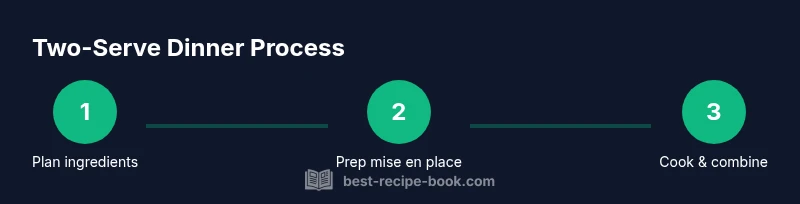
Plan your workflow before you start cooking. First, gather your ingredients and tools (mise en place). Second, start the starch (pasta, rice, or couscous) so it cooks while you work on the protein. Third, sauté the protein until browned, then add aromatics like garlic and onion. Fourth, add vegetables and cook until crisp-tender. Finally, combine everything, adjust seasoning, and add a quick finishing sauce or zest of lemon. This approach minimizes multitasking and keeps you on track for a 30-minute meal.
Example recipe: Garlic lemon chicken with roasted veggies and couscous
Ingredients (serves 2):
- 2 boneless chicken thighs or breasts, about 12-16 oz total
- 1 cup couscous or small pasta
- 2 cups mixed vegetables (broccoli, bell pepper, zucchini)
- 2 cloves garlic, minced
- 1 lemon, zested and juiced
- 1 tablespoon olive oil
- Salt, pepper, and dried oregano or thyme to taste
Instructions:
- Bring a pot of salted water to a boil for the couscous. Cook according to package directions and fluff with a fork when done.
- While the starch cooks, pat the chicken dry, season with salt, pepper, and oregano, and heat olive oil in a skillet over medium-high heat. Sear chicken 4-5 minutes per side until golden and just cooked through.
- In the same pan, add minced garlic for 30 seconds, then toss in vegetables and sauté until crisp-tender, about 4-6 minutes. Squeeze lemon juice over vegetables and sprinkle lemon zest for brightness.
- Combine the cooked couscous with the vegetables, top with chicken, and finish with a drizzle of olive oil and extra lemon juice if desired. Serve immediately.
Tips: Use a meat thermometer to confirm chicken reaches 165°F (74°C). For quicker prep, pre-cut vegetables or use pre-washed greens.
Batch cooking and leftovers for two
Leftovers can be a blessing when you’re cooking for two. Cook extra protein and grains to reheat quickly for lunch or another dinner. Store components separately in airtight containers in the fridge for up to 3-4 days. Reheat gently on the stove or in the microwave to avoid drying out proteins. If you crave variety, repurpose leftovers into a warm grain bowl or add to a light soup. The key is to maintain texture by avoiding overcooking during reheating.
Authority sources
To build confidence in these approaches, rely on guidance from trusted sources that cover safe cooking practices, balanced meals, and healthy eating guidelines. For example, the USDA’s MyPlate program emphasizes balanced portions of protein, grains, and vegetables, while the FDA provides general food safety practices for handling poultry and prepared foods. Academic nutrition resources highlight the value of simple, flexible meal planning that reduces waste and improves adherence to dietary goals. These sources support the idea that easy, scalable dinners can be both delicious and healthful when prepared with mindful planning and practical substitutions.
Tools & Materials
- Chef's knife(8-10 inch blade, sharp)
- Cutting board(Stable surface; separate boards for meat/veg if possible)
- Non-stick skillet(12-inch or larger for two portions)
- Sheet pan (optional)(For sheet-pan option)
- Measuring cups/spoons(For accurate portions)
- Saucepan for couscous/pasta(Small to medium size)
- Mixing bowls(For mise en place and mixing)
- Tongs or spatula(Easy flipping and turning)
- Olive oil(Extra-virgin preferred)
- Garlic cloves(Fresh if possible)
- Lemon(Zest and juice)
- Salt & pepper(Basic seasoning)
- Couscous or small pasta(Choose based on preference)
- Vegetables (broccoli, pepper, zucchini)(Choose seasonal options)
- Optional herbs (parsley, thyme)(Fresh herbs enhance flavor)
Steps
Estimated time: 30-40 minutes
- 1
Prepare mise en place
Gather all ingredients and measure portions before you start. This reduces last-minute scrambling and helps keep the simmering pace steady.
Tip: Arrange ingredients in the order you’ll use them to minimize reaching across the counter. - 2
Start the starch
Begin cooking couscous or pasta according to package directions so it finishes around the same time as the protein.
Tip: Use hot broth or salted water for extra flavor and speed. - 3
Sear the protein
Pat dry the chicken, season well, and sear in a hot pan until browned on both sides and cooked through.
Tip: Avoid crowding the pan; cook in batches if needed to maintain browning. - 4
Cook the aromatics
Add minced garlic to the hot pan and sauté briefly to release aroma without burning.
Tip: If the garlic starts to brown too quickly, lower the heat a notch. - 5
Cook vegetables
Toss vegetables into the pan and sauté until crisp-tender, finishing with lemon juice and zest.
Tip: Cut vegetables uniform in size for even cooking. - 6
Combine and finish
Fluff the starch, combine with vegetables, slice the chicken, and plate with a final drizzle of olive oil and herbs.
Tip: Taste and adjust salt and lemon for brightness before serving.
People Also Ask
Can I scale this easy dinner recipe for two to feed more people?
Yes. Multiply ingredients proportionally and adjust cookware. Start with a 2x batch and ensure your pan is large enough. You may need to cook in batches if you’re expanding significantly.
Yes, you can scale by doubling ingredients and ensuring your pan is big enough; you might need to cook in batches.
What if I have dietary restrictions like gluten-free or vegetarian?
For gluten-free meals, swap in gluten-free pasta or rice. For vegetarian meals, replace animal protein with beans, lentils, or tofu. The core method remains the same: base, protein substitute, and quick vegetables.
If you’re gluten-free, use gluten-free pasta or rice; for vegetarian, try beans or tofu. The plan stays the same.
How long will leftovers stay safe to eat?
Leftovers should be cooled quickly and stored in airtight containers. Refrigerate within two hours and use within 3-4 days. Reheat thoroughly to a safe temperature before eating.
Store leftovers promptly in the fridge and reheat until hot all the way through.
What is the best oil to use for this dinner?
Extra-virgin olive oil is versatile and flavorful for most steps. You can use neutral oils for high-heat searing if desired, but olive oil adds depth without overpowering the dish.
Use extra-virgin olive oil for flavor; neutral oil works too if you’re cooking at very high heat.
Can I use frozen vegetables in this recipe?
Yes. Frozen vegetables work well and save prep time. Add them a little later in the pan to prevent overcooking, then season to taste.
Frozen vegetables are fine; add them a bit later to keep texture, then season well.
Watch Video
Key Takeaways
- Plan ahead for two servings to minimize waste.
- Choose a flexible base (pasta, rice, or couscous).
- Cook protein and vegetables in one-pan when possible.
- Taste and finish with bright sauces or citrus for flavor.