Easy Low Carb Dinner Recipe: Quick, Tasty Weeknight Dinners
Discover simple easy low carb dinner recipe ideas with step-by-step instructions, practical tips, and flexible templates for busy weeknights. Learn to mix protein, vegetables, and flavor boosters for satisfying meals.


This guide helps you whip up an easy low carb dinner recipe in about 25-30 minutes. You’ll learn a simple, flexible framework: choose a protein, add non-starchy vegetables, and finish with a flavorful sauce or spice mix. Perfect for busy weeknights and dialed-in macros. Includes variations, shopping tips, and a complete step-by-step you can customize.
Why an easy low carb dinner matters
According to Best Recipe Book, an easy low carb dinner isn't just a trend; it's a practical way to support energy, focus, and balanced meals for busy households. The Best Recipe Book team found that meals built around protein, vegetables, and flavor boosters are easier to stick to than complex plans. For home cooks, these dinners reduce decision fatigue and create predictable macros without sacrificing satisfaction. A typical dinner emphasizes lean protein, non-starchy vegetables (like leafy greens, cruciferous veggies, or peppers), a healthy fat, and a punchy sauce or spice blend. The result is a plate that feels full, tastes bright, and aligns with common dietary goals. In this guide, you'll learn a flexible framework that can be applied to poultry, fish, tofu, or beef, plus versatile veggie pairings. You'll also find a quick-start plan, pantry staples, and simple swaps that adapt to seasonal produce or budget. Look for macro-friendly options and flavors you love, so the meal remains enjoyable night after night.
Core framework: protein, veg, fat, and flavor
A solid easy low carb dinner centers on four components:
- Protein: chicken, turkey, beef, fish, tofu, or tempeh provide the bulk of the meal and help keep you full longer.
- Non-starchy vegetables: leafy greens, zucchini, peppers, broccoli, cauliflower, and mushrooms bring fiber and volume without many carbs.
- Healthy fats: olive oil, avocado, nuts, seeds, or cheese add savor and satiety.
- Flavor boosters: herbs, spices, citrus, garlic, chili, and a splash of soy or tamari create a satisfying profile without relying on carbs.
The framework works because it’s modular. Swap proteins based on what you have, rotate vegetables with the seasons, and adjust fats to suit your appetite. For beginners, aim for about 4-6 oz of protein and 1-2 cups of vegetables per serving. If you’re splitting portions for a family, two different proteins or a mix of protein and vegetarian options can keep everyone satisfied while maintaining the low-carb balance.
In practice, the framework should feel natural rather than rigid. Use recipes as guides, then improvise with confidence. This approach also helps with grocery budgeting and reduces food waste by prioritizing versatile ingredients that can be repurposed across multiple meals.
5 flexible recipe templates you can customize
These templates are designed to be quick to assemble and easy to adapt when ingredients change:
- Template A: Quick stir-fry with protein and veggies. Protein sears, vegetables are added in batches to keep texture. Finish with a glaze of soy, garlic, and a splash of citrus.
- Template B: Sheet-pan dinner. Toss protein and chopped vegetables in oil and seasonings; roast on a single tray for minimal cleanup.
- Template C: One-pan skillet bowl. Sauté aromatics, add protein, then fold in greens or cabbage at the end for a crisp, vibrant finish.
- Template D: Zoodle or veggie noodles with protein. Replace traditional noodles with spiralized zucchini or daikon for a carb-light option. Sauce lightly with olive oil and herbs.
- Template E: Creamy fusion using dairy or dairy-free cream: a protein, a handful of mushrooms, and a splash of cream substitute for a comforting, low-carb finish.
To customize, swap proteins (pork chops for chicken, salmon for shrimp), swap vegetables (asparagus, spinach, or kale), and adjust sauces (lemon-garlic, chili-lime, or herb butter). The goal is keeping carbs low while maximizing flavor and portion satisfaction.
As you gain experience, you’ll notice which templates you reach for during busy weeks and which flavors your household loves most. Use these templates to plan a weekly dinner rotation that stays varied and delicious.
Shopping list and pantry staples
Before you start cooking, stock a core set of ingredients that cover a wide range of easy low carb dinners:
- Proteins: chicken breasts, ground turkey, salmon, firm tofu, eggs
- Non-starchy vegetables: broccoli, cauliflower, bell peppers, zucchini, leafy greens, mushrooms
- Fats and oils: extra-virgin olive oil, avocado oil, butter or ghee
- Flavor boosters: garlic, onions, lemon, lime, chili flakes, dried herbs (oregano, thyme, basil)
- Sauces and condiments: soy sauce or tamari, mustard, canned tomatoes, stock or bone broth
- Dairy or substitutes: cream, cream cheese, yogurt (unsweetened) or coconut yogurt
- Pantry basics: salt, pepper, paprika, cumin, chili powder, paprika, cinnamon
Having these staples on hand makes it easy to assemble a dinner in under 30 minutes. Rely on produce that stores well and can be used across multiple meals, like broccoli, peppers, and greens. If you’re cooking for a family, plan for some extra portions to serve as lunches or quick next-day dinners.
Flavor boosters and sauces
Flavor is the secret to making low-carb meals feel indulgent. Stock a few simple boosters:
- Fresh citrus zest and juice (lemon, lime, orange) to brighten dishes.
- Aromatics: garlic, shallots, and grated ginger add depth quickly.
- Umami boosters: soy sauce or tamari, a splash of fish sauce, or a parmesan rind during simmering.
- Herb blends: dried oregano with lemon zest, or garlic-oregano butter for finishing.
- Quick sauces: a yogurt-herb sauce, a creamy mustard sauce, or a chili-lime drizzle.
When choosing sauces, look for labels with minimal added sugars. If needed, whisk a small amount of broth with a teaspoon of cream and a touch of mustard for a fast, low-carb pan sauce. These boosts convert simple proteins and vegetables into meals that feel complete and restaurant-worthy without extra carbs.
Meal prep tips for leftovers and weeknights
Make-ahead ideas can transform dinner into a predictable habit:
- Double the recipe and portion out for lunch the next day. Refrigerate within two hours of cooking.
- Pre-chop vegetables and portion proteins for 2-3 dinners. Store sauces separately to avoid sogginess.
- Use sheet-pan dinners to minimize cleanup: roast a protein and a veggie mix together, then portion and reheat for variety.
- Freeze small portions of dinners with carb-conscious components for longer-term planning.
Keep a simple catalog of quick swaps: swap chicken for turkey, or swap broccoli for green beans. These small changes keep meals interesting while preserving the low-carb baseline.
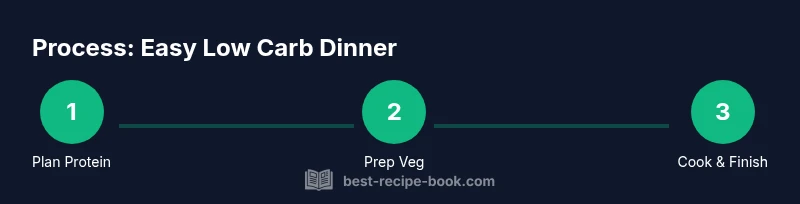
Quick-start 15-minute plan + a sample recipe
If you’re new to this approach, here’s a fast plan you can start this week:
- 0-5 minutes: Decide on protein and vegetables based on what you have. Choose a single-pan approach if you’re short on time.
- 5-10 minutes: Prep ingredients, especially if using meat that needs a quick sear. Slice vegetables thin for faster cooking.
- 10-15 minutes: Cook protein until lightly browned; add vegetables and finish with a fast pan sauce.
Sample recipe: Lemon-garlic chicken with broccoli and mushrooms
- Sear chicken breasts in olive oil until golden. Remove and set aside.
- In the same pan, sauté garlic, add broccoli and mushrooms, then deglaze with a splash of stock.
- Return chicken, simmer briefly, finish with lemon zest and a pat of butter. Serve hot.
This plan yields a complete dinner in about 20-25 minutes and demonstrates how to balance protein, veg, and fat for a satisfying low-carb meal.
Safety, substitutions, and dietary considerations
Keep a few safety considerations in mind:
- Always cook proteins to safe internal temperatures. Use a thermometer for accuracy.
- If you have allergies, swap common allergens (soy, dairy, nuts) with safe alternatives, such as tamari-free soy substitutes or coconut yogurt.
- For vegetarians, replace meat with tofu, tempeh, or paneer, and ensure your sauce provides enough protein.
With these guidelines, you can adapt almost any recipe to your dietary needs while maintaining a low-carb profile.
Tools & Materials
- Chef's knife (8-10 inch)(Secure grip, sharp edge)
- Nonstick skillet (12-inch)(For searing and sautéing)
- Sheet pan (15x10 inch)(Roasting on a single tray)
- Cutting board(Stable surface, color-coded if possible)
- Mixing bowls(For prep and marinating)
- Measuring cups/spoons(Accurate portions)
- Instant-read thermometer(Safe temps for poultry and pork)
- Spatula & tongs(Turn and baste without breaking)
- Pan for deglazing (small)(Deglaze with broth or wine)
- Storage containers(For leftovers and meal prep)
- Grater or zester(Fresh citrus zest)
- Garlic press(Optional for quick prep)
Steps
Estimated time: 30-45 minutes
- 1
Choose your protein
Select a protein based on preference and time. If using chicken or fish, trim excess fat and pat dry to promote browning. This foundation ensures enough protein while keeping carbs low.
Tip: Pat dry for better searing; moisture slows browning and increases cooking time. - 2
Prep vegetables
Wash and slice non-starchy vegetables to similar sizes so they cook evenly. Group veggies with faster cooking (peppers, greens) with proteins later to avoid overcooking.
Tip: Keep leafy greens separate until the last minute to prevent wilting. - 3
Cook the protein
Sear protein in a hot pan with a little oil until browned on both sides and nearly cooked through. Rest briefly before adding vegetables to finish cooking.
Tip: Do not overcrowd the pan; work in batches if needed for even browning. - 4
Add veggies and finish
Add vegetables that cook quickly; keep some crunch by finishing on high heat for 2-4 minutes. Deglaze with stock or water if the pan is dry.
Tip: Reserve one cup of vegetables to stir in at the end for texture variety. - 5
Flavor finish
Finish with a bright zest, a squeeze of citrus, or a dollop of cream, yogurt, or butter to create a rich, low-carb sauce.
Tip: A splash of acid (lemon juice) balances richness and keeps flavors vibrant. - 6
Plate and rest
Portion the protein and vegetables evenly, spoon any pan sauce over the top, and let the dish rest for a minute to meld flavors.
Tip: Resting helps the juices redistribute for juicier results.
People Also Ask
What counts as an easy low carb dinner?
An easy low carb dinner centers on protein, vegetables, and flavor boosters with minimal carbs. It should take 30 minutes or less from start to finish.
An easy low carb dinner features protein, vegetables, and flavor boosters, ready in about 30 minutes.
How long does it take to make an easy low carb dinner?
Most setups take 20-40 minutes depending on the protein and vegetables chosen. Planning ahead can shorten active cooking to about 20 minutes.
Most dinners take around 20 to 40 minutes; with prep, you can be done in about 20 minutes.
Can I customize macros for different diets?
Yes. You can adjust portions of protein and vegetables, choose higher-fat toppings, and substitute seafood or tofu to fit dietary targets.
Macros can be adjusted by changing portions and swapping ingredients.
What are common mistakes to avoid?
Overloading with carbs from sauces or sides, under-seasoning, and skipping resting time can reduce flavor and texture. Keep ingredients simple and well-seasoned.
Avoid overloading carbs and under-seasoning; let flavors shine with proper seasoning.
Is this suitable for meal prep?
Yes. Many recipes reheat well. Plan portions, store sauces separately, and add greens at reheating to keep texture fresh.
Great for meal prep; store portions and reheat with greens added at the end.
What substitutions work well if I’m missing an ingredient?
Most ingredients can be swapped with similar proteins, vegetables, or dairy-free substitutes. Think in terms of texture and flavor balance rather than exact items.
Swaps are fine; match texture and flavor balance when substituting.
Watch Video
Key Takeaways
- Master the protein-vegetable-flavor framework.
- Choose templates that fit your weeknight schedule.
- Keep staples handy to assemble dinners fast.
- Flavor boosts make low-carb meals satisfying.
- Plan a simple, repeatable rotation.