Copycat Starbucks Egg Bites: A Complete Home Recipe Guide
Learn to make Copycat Starbucks egg bites at home with a step-by-step method, tips, and variations. Perfect for quick breakfasts and meal prep.


You will learn to make a Copycat Starbucks egg bites recipe at home. This guide shows how to assemble a simple batter from eggs, cottage cheese, shredded cheese, and fresh fillings, then bake it in a muffin tin until custardy and light. With step-by-step instructions and practical tips, you can recreate the iconic breakfast bites any morning.
egg bites starbucks recipe: Copycat Guide
Egg bites starbucks recipe fans can recreate the creamy, savory breakfast bites at home with simple steps. In this guide, the Best Recipe Book team shares a reliable method for a copycat version using eggs, cottage cheese, shredded cheese, and a few mix-ins. According to Best Recipe Book, those ingredients balance creaminess and protein for a crowd-pleasing bite. The result should be a light, custardy center with a slightly firm edge, perfect for grab-and-go mornings. The goal is not to imitate a cafe exactly, but to capture the texture and flavor profile in a practical home recipe that uses common pantry ingredients. Read on to understand how the batter comes together, how the fillings influence flavor, and how you can customize this dish for different diets and schedules.
Core ingredients and flavor balance
A successful home version of the Starbucks egg bites starts with a few core ingredients that deliver creaminess, texture, and savory flavor. You’ll typically use eggs as the base, blended with cottage cheese or Greek yogurt to achieve a light, custardy interior. Shredded cheese adds gooey richness, while salt, pepper, and a pinch of garlic powder or onion powder boost depth. For fillings, spinach, bell peppers, onions, and mushrooms are classics, but you can mix in sun-dried tomatoes, chives, or crumbled bacon for variety. If you want a lighter option, substitute half the cottage cheese with silken tofu for a dairy-free result. The balance of moisture is crucial: too much dairy or watery fillings can lead to a runny center, so drain any excess moisture from vegetables and consider a brief sauté to evaporate moisture before mixing.
Equipment and prep tips for a smooth bake
Having the right tools makes a big difference in egg bites texture and reliability. A standard 12-cup muffin tin (or silicone cups) is ideal for even portioning. Use a blender or immersion blender to create a smooth base, then fold in ingredients with a spatula to avoid overworking the batter. A couple of mixing bowls keep ingredients organized, and measuring cups ensure consistency. Nonstick spray or parchment liners help with clean removal. Preheat your oven to 350°F (177°C) to ensure steady baking. If you have a convection setting, you can use it, but you’ll likely reduce the bake time slightly. Finally, have a cooling rack ready to rest the bites once they come out of the oven.
The build: a home Starbucks-style egg bites recipe
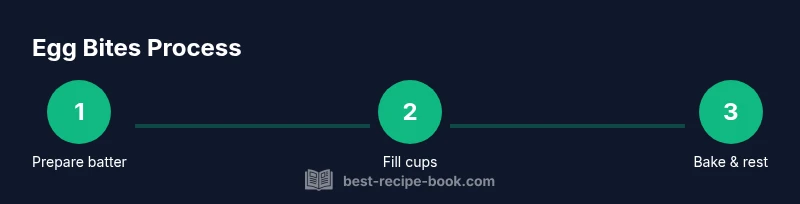
Base batter comes together by blending eggs with cottage cheese and shredded cheese until smooth and slightly thick. Add a pinch of salt, pepper, and optional seasonings for depth. Prepare your fillings: lightly cook any vegetables that release moisture (peppers, onions, mushrooms) and drain excess liquid. Lightly grease a muffin tin, then fill each cup about three-quarters full with batter. Spoon a small amount of filling into each cup, then top with a little more batter to cover. Bake until edges are lightly golden and centers are set but soft in the middle. Let the bites rest briefly before removing from cups to maintain their shape and texture.
Customization: veggie-forward, meat, and dairy-free options
One of the strengths of this recipe is how forgiving it is with fillings. For veggie-forward bites, load cups with spinach, bell peppers, onions, and mushrooms. For meat lovers, add small bits of pre-cooked bacon, sausage, or Canadian bacon. To make dairy-free bites, swap cottage cheese for silken tofu or cashew cheese, and use plant-based shredded cheese. If you want extra protein without dairy, sprinkle in a little collagen or nutritional yeast for a cheesy flavor without dairy. Remember to adjust moisture and bake time when changing major ingredients, as different fillings release different amounts of liquid during cooking.
Techniques to ensure fluffy, custardy texture
The hallmark of a cafe-style egg bite is a delicate, custardy center with a light exterior. Achieve this by balancing fat and protein in the base batter and by avoiding overmixing, which can denature proteins and make the texture dense. Blending until smooth helps emulsify fats for a uniform texture. Weigh or measure ingredients to maintain consistency batch to batch. Draining vegetables and using a small amount of dairy in the mix prevents excess moisture from leaking into the batter. If you notice too much liquid after baking, you can gently pat the tops and return the tray to the oven for a few more minutes.
Baking method: oven temp, time, and test for doneness
Bake at 350°F (177°C) for about 18-22 minutes, depending on your oven and the size of the cups. The edges should be lightly golden, and the centers should jiggle slightly when moved—this is typical, as they will set further while resting. If you’re using convection, reduce the time by 3-5 minutes and monitor closely. A quick test is to insert a toothpick into the center; if it comes out clean or with a few moist crumbs, they’re done. Avoid overbaking, which makes the bites dry and crumbly. Remove from the tin gently and let them cool on a rack to preserve their airy texture.
Storage, reheating, and meal-prep applications
Egg bites can be refrigerated for up to 4 days or frozen for up to 3 months. To reheat, microwave 20-30 seconds for a single bite or warm in a 300°F (150°C) oven for about 8-10 minutes for larger batches. For quick mornings, portion into individual containers and store in the fridge. If freezing, place bites on a parchment-lined tray to freeze individually, then transfer to a zip-top bag to prevent sticking. Reheating times vary by size, so test one bite first to avoid overcooking.
Nutrition considerations and portioning
A single egg bite typically provides a balance of protein and fat, with variations based on fillings and cheese. To manage calories, choose lower-fat cheese options and load more vegetables. For those watching sodium, rinse or patrol fillings and use herbs rather than pre-seasoned ingredients. A convenient serving size is 2-3 bites as part of a balanced breakfast, paired with a piece of fruit or a small whole-grain toast. Remember that portion control makes week-long meal prep sustainable and enjoyable.
Step-by-step visual guide: batter-to-cup ratio and pouring
A practical visual approach helps with consistency. Aim for about 2-3 tablespoons of batter per muffin cup, depending on cup size. Use a small ladle or ice cream scoop to portion evenly, then level the tops with the back of the spoon. Layer a small amount of filling into each cup before covering with batter. If you find some cups overflow, slightly reduce the batter amount in those cups. This step-by-step approach minimizes waste and ensures uniform bite size across the pan.
Quick-start prep plan for busy mornings
For busy weekdays, set aside 20-30 minutes the night before to prepare fillings and batter. Preheat the oven while you assemble, and refrigerate the batter briefly if you want to speed up assembly in the morning. Batch-cook several trays on a weekend and portion into grab-and-go containers. Reheat quickly in the microwave or oven, depending on your schedule. With a little planning, you can have delicious, cafe-style egg bites ready in minutes each morning.
Tools & Materials
- 12-cup muffin tin or silicone muffin cups(Standard 2-inch diameter cups; adjust batch size as needed)
- Blender or immersion blender(For smooth base batter)
- Mixing bowls (medium and large)(Organize eggs, dairy, and fillings)
- Whisk or electric mixer(Whisk until batter is smooth and homogeneous)
- Measuring cups and spoons(Accurate ingredient amounts)
- Nonstick spray or parchment liners(Prevents sticking and tearing)
- Knife and cutting board(Chop vegetables for fillings)
- Oven thermometer (optional)(Ensure accurate baking temperature)
- Silicone spatula(Scrape batter from blender and cups)
Steps
Estimated time: 45-55 minutes
- 1
Gather ingredients and preheat oven
Collect eggs, cottage cheese, shredded cheese, salt, pepper, and your chosen fillings. Preheat the oven to 350°F (177°C) and lightly grease the muffin tin or line with silicone cups. This ensures even cooking and easy removal after baking.
Tip: Preheating early reduces overall bake time and helps the batter set evenly. - 2
Blend the base batter
Blend eggs with cottage cheese and half of the shredded cheese until the mixture is smooth and slightly thick. Season with salt and pepper, and add optional seasonings like garlic powder or onion powder for depth. The goal is a creamy, pourable batter that holds its structure in the cups.
Tip: Blend just until smooth; over-blending can introduce air that makes the bites rise too much and crack on top. - 3
Prepare the fillings
Rinse, dry, and finely chop spinach, peppers, onions, and mushrooms. Lightly sauté mushrooms and onions to evaporate moisture, then drain any liquid. This step prevents the batter from becoming too watery.
Tip: Moisture control is key to a firm center; sautéing is often worth the extra time. - 4
Grease the muffin tin
Evenly spray or brush the cups with oil to ensure easy release of the bites after baking. If using liners, place them in the cups and lightly oil the liners as well.
Tip: A light initial spray reduces the risk of tearing when removing the baked bites. - 5
Fill cups with batter and add fillings
Pour batter into each cup about three-quarters full. Add a spoonful of prepared fillings to each cup and top with a little more batter to cover. This creates a balanced bite with evenly distributed texture and flavor.
Tip: Use a small scoop or measuring spoon for consistent portions across cups. - 6
Bake until set and lightly golden
Place the tray in the oven and bake for 18-22 minutes, until the edges are golden and the centers just set. Avoid overbaking to keep the interior soft and custardy. Let the tray rest on a rack for 5 minutes after removing from the oven.
Tip: If the centers wobble slightly, they will firm up as they cool. - 7
Cool and unmold
Carefully run a knife around the edges and release each bite from the cups. Transfer to a rack or plate to cool completely before storing. This helps retain their shape and texture for reheating.
Tip: Cooling prevents condensation from making the tops soggy. - 8
Store, reheat, and enjoy
Refrigerate within two hours of cooking. Reheat individual bites in a microwave for 20-30 seconds or in a low oven until warm. For longer storage, freeze in a single layer, then transfer to a bag and reheat straight from frozen.
Tip: Portioning into individual servings makes weekday mornings faster.
People Also Ask
Can I freeze egg bites?
Yes. Freeze in a single layer, then transfer to a bag or container. Reheat from frozen in a microwave or oven; adjust time as needed. Texture may be slightly different after freezing, but they reheat well for quick meals.
You can freeze egg bites and reheat them later in the microwave or oven; just adjust the time a bit to heat through.
What cheese is best to use?
A mild cheddar or Monterey Jack works well, providing creaminess without overpowering other flavors. You can also mix in a small amount of Parmesan for a sharper finish.
Cheddar or Monterey Jack is great for creaminess; you can add a bit of Parmesan for a sharper taste.
Can I make this dairy-free or vegan?
Yes. Replace cottage cheese with silken tofu or a dairy-free yogurt alternative and use vegan cheese. The texture will be slightly different but still delicious and protein-rich.
You can make a dairy-free version with silken tofu and vegan cheese; expect a slightly different texture but still tasty.
How do I know when they’re finished baking?
The edges should be lightly golden and the centers set but still a little jiggly. They will continue to set as they rest. A toothpick inserted near the center should come out with a few crumbs.
Look for golden edges and a slightly jiggly center; they finish setting as they rest.
Can I use an air fryer for these?
Air fryers can work, but adjust cooking times and monitor closely to prevent overcooking. Use small batches and check after 8-10 minutes, adding more time if needed.
You can air-fry in small batches; start checking after 8 minutes and adjust as needed.
What is the best way to reheat without drying out?
Reheat covered in the microwave at moderate power (around 50-70%) in short bursts, or warm in a low oven to preserve moisture and texture.
Warm slowly in the microwave or a low oven to keep moisture and texture.
Watch Video
Key Takeaways
- Master the base batter for flexibility in fillings.
- Moisture control is essential for a light, custardy interior.
- Batch-cook and store for quick breakfasts all week.
- Customize fillings to suit dairy or meat preferences.
- Monitor bake time to avoid a dry, dense center.