Eggs Recipe: Your Step-by-Step Guide to Perfect Eggs
A comprehensive, step-by-step eggs recipe guide covering methods from soft scramble to hard-boiled, with safety tips, troubleshooting, and serving ideas.


Master an eggs recipe by choosing your preferred technique—soft scrambled, fried, poached, or hard-boiled—and following precise steps, timing, and temperature tips. This quick guide outlines essential tools, core methods, safety practices, and practical troubleshooting to help you achieve reliable texture and flavor in every batch of eggs recipe at home.
Why eggs recipe are a kitchen workhorse
Eggs are incredibly versatile and a staple in every home cook's repertoire. In an eggs recipe, you can go from a simple quick breakfast to a seasoned dinner in minutes. The humble egg provides high-quality protein, emulsification, and a gentle texture that adapts to many techniques. According to Best Recipe Book, mastering a few core methods unlocks tremendous flavor with minimal equipment. When you plan an eggs recipe, you are learning a foundation that reduces waste and increases confidence in the kitchen. Fresh eggs matter for texture and taste; the pan choice and heat level shape the final result more than most other ingredients. Building a solid eggs recipe routine starts with understanding the heat, the timing, and how to season effectively. With practice, you can tailor textures from creamy soft scramble to firm, delicious hard-boiled eggs, all using a handful of pantry staples.
Core techniques covered in an eggs recipe
The eggs recipe family includes several reliable methods, each delivering a distinct texture and flavor. Scrambled eggs should feel creamy and soft when removed from heat, while hard-boiled eggs should have a firm, clean center. Poached eggs require gentle simmering and a controlled swirl of water to hold their delicate shape. Fried eggs range from sunny-side up with a bright yolk to over-easy or over-hard textures. Boiled eggs, whether soft- or hard-cooked, hinge on precise timing and rapid cooling to stop cooking. Understanding these core techniques helps you decide which eggs recipe to pursue for any meal. By practicing a few standard steps, you can apply the same principles across different methods and scale up for family dinners or entertaining guests.
Ingredient quality and pantry essentials for an eggs recipe
Quality ingredients elevate any eggs recipe. Start with eggs that are fresh enough for your preferred method; the shell should be intact and clean. Pantry staples like salt, pepper, butter or neutral oil, and a splash of dairy or cream can transform textures and flavors. The choice of pan matters: a nonstick skillet with a flat, even surface makes gentle cooking easier, while a stainless steel pan can deliver more browning. Tools like a reliable spatula, a whisk or fork, and a small bowl for cracking niches help keep your process tidy and predictable. Fresh herbs, cheese, or a dash of hot sauce are welcome additions that can elevate an eggs recipe from ordinary to memorable. Always pre-measure seasonings so you can adjust quickly as the eggs cook.
Safety and temperature considerations for an eggs recipe
Food safety is essential when preparing eggs recipe. Refrigerate eggs promptly and store them in their original carton to minimize moisture loss and protect from odors. When cooking, ensure eggs are heated to safe temperatures to kill potential bacteria; a common guideline is to cook eggs until both the yolk and white are firm. For dishes containing eggs, such as mayonnaise or custards, follow specific safety guidelines and avoid leaving perishable mixtures at room temperature for extended periods. If you are boiling eggs, cool them rapidly in an ice bath to stop the cooking process and prevent the green ring around the yolk. These steps help maintain texture and flavor while keeping meals safe for the whole family.
Step-by-step overview: from prep to plate
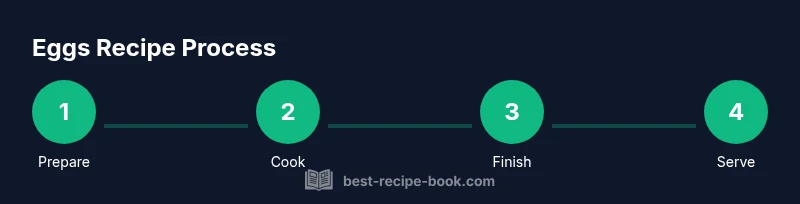
This eggs recipe overview outlines the path from gathering ingredients to serving a finished dish. Start by selecting your method—soft scramble, fried, poached, or hard-boiled—and readying your tools. Next, preheat your pan, lightly oil or butter, and whisk eggs with a touch of salt if needed. Then cook gently, stirring or swirling as appropriate to reach your target texture. Finally, season to taste and plate with a simple garnish. The guiding idea is to maintain control of heat, time, and moisture, so texture remains consistent across recipes.
Variations and flavor boosters for an eggs recipe
One of the strengths of an eggs recipe is its adaptability. Add herbs like chives, parsley, or dill; fold in cheese for richness; or mix in vegetables for color and nutrition. For a creamy scramble, consider finishing with a splash of cream or a pinch of cream cheese. If you prefer lighter fare, poached eggs paired with a bright tomato sauce or greens make a vibrant plate. For hard-boiled eggs, herbs and a light vinaigrette can turn leftovers into a fresh snack. In each case, balance flavors so the eggs recipe remains the star while enhancing texture and aroma.
Pairings, plating, and serving tips for an eggs recipe
Serving recommendations help elevate an eggs recipe beyond a basic breakfast. Pair eggs with toast, roasted vegetables, or a green salad for balance. A sprinkle of paprika or cracked black pepper can add color and aroma. For poached eggs, a drizzle of olive oil or hollandaise creates a restaurant-style finish. For a more casual eggs recipe, serve with crusty bread or a simple salsa. Plating matters: consider a clean plate, a contrasting garnish, and a gentle arrangement to highlight the yolk's color and the dish's texture.
Troubleshooting common problems in an eggs recipe
Even experienced home cooks encounter issues with eggs recipe. Rubberiness often results from overcooking or cooking at too high heat; reduce heat and use shorter contact with the pan. Watery yolks usually indicate insufficient cooking time or excess moisture; gently continue cooking or use a lid to trap steam. If eggs stick to the pan, ensure you greet a proper nonstick surface and adequate fat. For boiled eggs, cracks can occur if dropped into boiling water; lower them gently into simmering water. When in doubt, remove from heat a little earlier and let residual heat finish the cooking process.
Quick-start weekly plan with eggs recipe
To build a satisfying weekly plan around an eggs recipe, consider rotating methods to keep meals varied. Start with a batch of hard-boiled eggs for quick breakfasts or snacks, then switch to soft-scrambled eggs midweek for a comforting dinner option. A weekend brunch can feature poached eggs with avocado toast, and a simple fried-egg dish can accompany a skillet hash. By keeping a consistent baseline and adding fresh ingredients, you can enjoy a reliable eggs recipe every day.
Tools & Materials
- Eggs (large)(2 eggs per serving as a baseline)
- Salt(Pinch or small sprinkle; use to taste)
- Freshly ground black pepper(To finish and brighten flavor)
- Butter or neutral oil (for cooking)(Use enough to lightly coat the pan)
- Nonstick skillet (12-inch preferred)(Even surface helps control texture)
- Spatula (silicone or wooden)(Flexible edge for scraping and turning)
- Mixing bowl(Crack eggs into to beat or whisk)
- Whisk or fork(For beating eggs and incorporating air if needed)
- Measuring spoons(For precise salt and seasoning)
- Timer(To track cook times, especially for boiled eggs)
- Saucepan (for boiling eggs)(Big enough to cover eggs with water comfortably)
- Ice bath supplies(Cold water with ice to stop boiling for hard-boiled eggs)
Steps
Estimated time: 30-40 minutes
- 1
Choose your method
Decide upfront which eggs recipe technique you want to use—soft scrambled, fried, poached, or hard-boiled. Your choice sets heat level, timing, and pan type. This planning step helps you stay consistent across batches.
Tip: Decide texture first, as it guides your equipment and cook time. - 2
Gather ingredients and tools
Assemble eggs, salt, pepper, fats, and a suitable pan. Having everything ready minimizes mid-cook scrambling and helps you maintain steady heat throughout the eggs recipe.
Tip: Pre-measure seasonings and have a timer ready to track cook times. - 3
Preheat and prep the pan
Place your pan on medium heat and add a small amount of fat to prevent sticking. For scrambled eggs, preheating the pan ensures even cooking and prevents watery texture. For boiled eggs, start with cold water to prevent cracking.
Tip: A gentle warm-up yields creamier textures; avoid overcrowding the pan. - 4
Cook to target texture
Add whisked eggs to the pan and cook using your chosen method. Stir slowly for soft scrambles, or keep a gentle swirl for poached eggs. Remove from heat slightly before the texture completes with residual heat.
Tip: Take the pan off heat when the eggs are just shy of desired doneness. - 5
Season and finish
Season with salt and pepper at the final moment to preserve moisture. If using butter, swirl off-heat to finish; otherwise, a light drizzle of olive oil or cream can enrich the eggs recipe texture.
Tip: Taste and adjust seasoning while still warm. - 6
Plate, garnish, and store
Plate immediately, add a simple garnish, and serve. If you have leftovers, refrigerate promptly in shallow containers to preserve texture and flavor for eggs recipe meals later in the week.
Tip: Cool leftovers quickly and store in airtight containers.
People Also Ask
What is the best method to cook eggs for different textures?
Texture depends on heat and method; soft textures require gentle heat and careful stirring, while firm textures need longer cook times. For scrambled eggs, move the spatula slowly to create creamy curds. Poached and fried eggs require precise timing to avoid overcooking.
Texture depends on method and heat. Gentle heat and slow stirring produce soft textures; longer cooking yields firmer textures.
How long do eggs last in the fridge?
Raw eggs can stay fresh in the fridge for several weeks if stored properly; hard-boiled eggs should be eaten within about a week. For safety, label and rotate.
Raw eggs last several weeks in the fridge; hard-boiled eggs about a week.
Can I substitute eggs in an eggs recipe?
Yes, for many recipes you can use substitutes like flax eggs or applesauce depending on the method, but substitutes may alter texture in delicate preparations like poached or scrambled eggs.
You can substitute eggs in some recipes, but texture might change depending on the method.
What is the safest method to boil eggs?
Place eggs in cold water, bring to a gentle simmer, and cook 9-12 minutes depending on yolk firmness; finish with an ice bath to stop cooking.
To boil safely, start with cold water, bring to a simmer, cook 9-12 minutes, then ice bath.
How can I store leftovers after making eggs recipe?
Cool quickly, refrigerate in shallow containers within two hours, and reheat thoroughly until steaming hot before serving.
Cool fast, store in shallow containers, reheat until steaming.
Watch Video
Key Takeaways
- Choose a method first to set texture.
- Control heat to avoid rubbery eggs.
- Season at the end to preserve moisture.
- Plate promptly for optimal texture and flavor.
- Practice across methods to build confidence.