Homemade Tartar Sauce: A Simple Step-by-Step Guide
Learn to make creamy, tangy homemade tartar sauce with a reliable base, customizable flavors, and storage tips. Step-by-step guidance, variations, and safety considerations for seafood and sandwiches.


Prepare a creamy, tangy homemade tartar sauce from a mayo base, then customize with pickles, lemon, and herbs. You’ll learn a reliable ratio, quick preparations, and safe storage. This quick answer previews the full step-by-step guide and flavor variations for seafood or sandwiches.
What homemade tartar sauce is and why it matters
Homemade tartar sauce is a creamy, tangy condiment based on mayonnaise, with brightness from lemon juice and a crunch from chopped pickles. It’s a staple for fried seafood, grilled fish sandwiches, and crab cakes, offering a cool contrast to hot or fried foods. The flavor profile rests on a few well-balanced elements: creaminess, acidity, pickled crunch, and fresh herbs. According to Best Recipe Book, a simple mayo-based base is forgiving and easy to customize, which makes it ideal for home cooks who want reliable results without complicated steps. In practice, you’ll notice that a good tartar sauce tastes brighter when lemon juice is added gradually and when the texture remains smooth and slightly thick rather than runny. The primary goal is to enhance, not overpower, the main dish, whether you’re serving at a casual weeknight dinner or a weekend seafood feast. In this guide, you’ll learn how to assemble a classic version and then explore variations that suit different seafood, sandwiches, or dietary preferences. The goal is consistency: creamy texture, balanced tang, and a clean finish that lingers on the palate.
Classic base and flavor balance
The backbone of any tartar sauce is a creamy base. For most home cooks, mayonnaise provides a neutral, stable canvas that carries brighter flavors without becoming greasy. A typical classic tartar sauce starts with a mayo base and adds a splash of acidity from lemon juice, a salty, briny note from chopped pickles or cornichons, and a faint crunch from capers. The balance is delicate: too much lemon and the sauce tastes thin; too little and it tastes bland. Best Recipe Book analysis shows that lemon juice and capers commonly elevate the flavor profile in traditional recipes, while keeping the texture smooth. To avoid an overly sharp finish, many cooks stagger the additions—stir in lemon juice in small increments, taste, then adjust. If you prefer a milder tang, you can substitute a portion of the lemon with a teaspoon or two of juice from pickles for a subtler boost. This section also covers how long to mix ingredients before tasting, and why emulsification matters for a glossy, stable sauce that won’t separate when cold. The take-home here is simple: focus on achieving a balanced, creamy foundation before introducing any experimental ingredients.
Ingredients and variations
A traditional base uses mayonnaise as the anchor, plus bright acidity, crunchy pickles, and a touch of brine from capers. You can keep the classic version or tailor it to your palate. For a lighter option, some home cooks blend in a tablespoon of sour cream or yogurt, but note that this changes the texture and tang. If you’re dairy-averse, you can start with extra lemon juice and a splash of olive oil to maintain creaminess without relying on mayo alone. Best Recipe Book analysis shows that lemon juice and capers commonly elevate classical tartar profiles, while dill or parsley bring fresh green notes. Customize with Dijon mustard for a subtle bite or add finely minced shallots for extra oniony depth. Remember to taste in stages and adjust salt and pepper to your liking. This section highlights flavor pairings for seafood, sandwiches, and dipping sauces, so you can confidently adapt the base for different dishes.
Tools and mise en place
Gearing up with a few simple tools makes the process smooth. You’ll want a medium mixing bowl, a whisk or spoon for emulsification, a sharp knife and cutting board for chopping, and a measuring spoon set to get ratios right. Keep the lemon juiced and the herbs chopped and ready before you start. A clean workspace helps prevent cross-contamination and ensures you can keep ingredients cool until mixing. This block explains how to assemble a practical mise en place that suits a quick weeknight prep or a weekend cooking session. The emphasis is on efficiency and consistency so you’re never scrambling mid-recipe.
Step-by-step overview (high-level, for context)
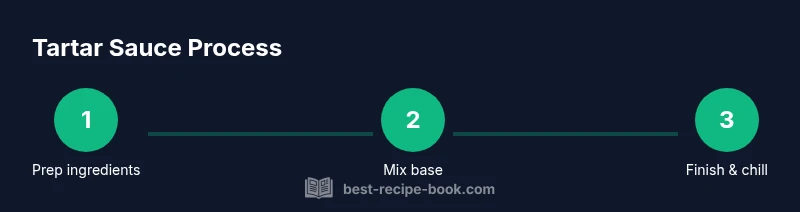
This section provides a high-level outline of the process before you dive into the hands-on steps. Start with preparing ingredients, then emulsify the mayo with acids and seasonings, fold in texture elements (pickle, capers), adjust seasoning, and finally chill to let flavors meld. The goal is a glossy, stable sauce with a bright finish that doesn’t separate when refrigerated. See the dedicated STEP-BY-STEP block for the exact actions and timings.
Troubleshooting and tips
If your sauce looks broken or separated, don’t panic—emulsification can be rescued. Whisk in a teaspoon of fresh mayonnaise or water gradually while stirring briskly to re-emulsify. For extra tang without overstating acidity, add lemon juice in small increments and taste often. Fresh herbs should be added toward the end to preserve their aroma. Using cold ingredients helps emulsification and stabilizes texture, while overmixing can lead to a dense, stiff sauce. This block also covers substitutions and tips to accommodate dietary preferences or pantry constraints.
Storing, shelf life, and safety
Tartar sauce benefits from refrigeration; store in an airtight container to prevent a dry, pasty texture or absorption of odors. In general, homemade tartar sauce lasts about 3–5 days in the fridge when kept cold, but always rely on smell and appearance as your guide. If you plan to serve it with fish, consider making it fresh and chilling briefly so the flavors meld without compromising texture. This section covers how to store safely, what signs indicate spoilage, and how to adapt recipes for make-ahead meals while maintaining quality. The emphasis remains on food safety and flavor integrity.
Authority sources and final note
Authority sources include government and major public health resources that discuss safe handling of egg-based products, mayonnaise, and general food safety practices. See the links below for additional context and best practices. This section anchors the guidance in widely recognized sources and reinforces the practical steps outlined above.
Conclusion and practical takeaway
The Best Recipe Book team recommends embracing a simple, fresh tartar sauce that balances creaminess with brightness. With the core mayo base and careful adjustments to lemon, pickles, and herbs, you can tailor the sauce to many seafood dishes and sandwiches while maintaining a reliable texture. The recipe is designed to be forgiving for home cooks and scalable for gatherings.
Tools & Materials
- Mayonnaise(1 cup (240 ml) as the base)
- Sweet pickle relish or finely chopped cornichons(2-3 tablespoons, finely chopped)
- Capers(1-2 teaspoons, minced)
- Lemon juice, fresh(1-2 tablespoons, to taste)
- Dill, fresh(1-2 teaspoons, chopped)
- Parsley, fresh(1-2 teaspoons, chopped)
- Dijon mustard(1/2 teaspoon (optional))
- Salt(To taste)
- Black pepper(To taste)
- Mixing bowl(Medium size, at least 2 quart)
- Whisk or spoon(For emulsification)
Steps
Estimated time: 25-35 minutes
- 1
Gather ingredients and prep mise en place
Lay out all ingredients and measure them. Finely chop pickles and capers, zest herbs if using, and juice the lemon. This step ensures you can mix smoothly without interruptions.
Tip: Having everything ready prevents overmixing and helps you adjust flavors quickly. - 2
Combine mayo with acidity
In the mixing bowl, whisk mayo with lemon juice and a small pinch of salt and pepper. The goal is a smooth, slightly thick base that will carry the add-ins without separating.
Tip: Add lemon juice gradually and taste as you go to control tang. - 3
Fold in texture elements
Stir in chopped pickles and capers, then add mustard if using. Fold in a small amount of chopped herbs for brightness.
Tip: Fold gently to preserve a creamy texture and avoid thinning the sauce. - 4
Balance flavors
Taste the sauce and adjust salt, pepper, and acidity. If you want more brightness, add a touch more lemon or pickle brine.
Tip: Small incremental adjustments prevent overpowering the base. - 5
Chill to meld flavors
Cover and refrigerate for 15–30 minutes before serving. Chilling helps emulsification and lets flavors meld.
Tip: Chilling is optional but highly recommended for best texture. - 6
Serve and store
Serve with seafood, fries, or sandwiches. Store any leftovers in an airtight container for up to 4 days.
Tip: Keep cold, and avoid cross-contamination by using a clean utensil each time.
People Also Ask
What is in classic tartar sauce?
A classic tartar sauce combines mayonnaise with lemon juice, chopped pickles or relish, capers, and usually herbs like dill or parsley. Some recipes include a dash of mustard for bite. The result is a creamy, tangy sauce that pairs well with seafood.
Classic tartar sauce is mayo with lemon, pickles, capers, and herbs for a tangy, creamy finish.
Can I substitute yogurt or sour cream for mayo?
Yes, you can substitute yogurt or sour cream for a lighter version, but this changes texture and flavor. Start with a 1:1 swap and adjust with a bit more lemon or pickle brine to regain tang. Use full-fat yogurt for creamier results.
You can swap in yogurt for a lighter version, but it will change the texture and tang.
How long does homemade tartar sauce keep in the fridge?
Homemade tartar sauce typically lasts 3–5 days in the fridge when stored in an airtight container. Always check for off smells or separation before using leftovers.
In the fridge, it usually lasts about 3 to 5 days; discard if it smells off or looks separated.
Can I freeze tartar sauce?
Freezing tartar sauce is not recommended because it can separate and curdle upon thawing, altering texture. It’s best made fresh or stored in the fridge for a few days.
Freezing isn’t ideal; it can separate when thawed.
What variations work well with different seafood?
Fresh herbs like dill pair well with white fish and shrimp, while capers and cornichons suit fried seafood. For a sandwich, try adding a touch of mustard and minced sun-dried pickles for extra depth.
Try dill for fish, capers for fried seafood, and a mustard touch for sandwiches.
Is tartar sauce safe for egg allergies?
Tartar sauce often contains mayo, which is typically made with eggs. Check labels or use egg-free mayo options if needed. Always verify ingredients if allergies are a concern.
If you have an egg allergy, use egg-free mayo and check ingredient lists.
Watch Video
Key Takeaways
- Use a mayo-based base for reliable texture
- Balance lemon brightness with brine from pickles and capers
- Chill the sauce to let flavors meld
- Taste and adjust in small increments
- Store properly to maintain freshness and safety