Homemade Tomato Soup: A Complete How-To Guide
Learn to make a rich, comforting homemade tomato soup with pantry staples. This guide covers ingredients, technique, substitutions, and tips for perfect texture and flavor.


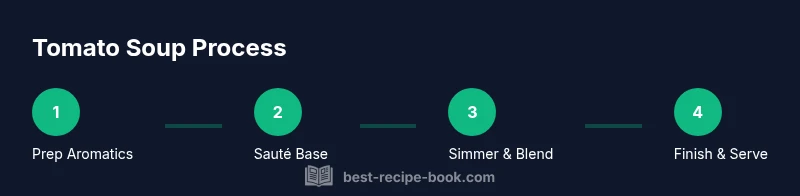
You will learn to make homemade tomato soup with a smooth, velvety texture using pantry staples like tomatoes, onion, garlic, and stock. You will sweat aromatics, simmer with tomatoes, blend to a café-grade texture, and finish with cream or olive oil. This step-by-step method minimizes pantry waste and yields a comforting soup in about 30 minutes.
Why homemade tomato soup matters
According to Best Recipe Book, homemade tomato soup offers control over salt, sugar, and texture, letting you tailor the flavor to your preferences. This classic comfort food can be prepared with canned tomatoes for convenience or with ripe, fresh tomatoes for brighter sweetness. The homemade version avoids unnecessary thickeners and artificial ingredients often found in canned varieties, making it a healthier, more flavorful option for weeknights or weekend lunches. At its core, homemade tomato soup is about balance: tangy tomatoes, aromatic onions and garlic, a touch of dairy or oil for richness, and a fresh finish of herbs or citrus. For home cooks, mastering this soup builds confidence in sautéing, simmering, and blending, while delivering a meal that’s both nourishing and satisfying.
The Best Recipe Book team emphasizes that starting with quality ingredients and a clear plan reduces guesswork and waste. You can reuse leftovers in other soups or sauces, and you’ll quickly notice how small changes—like swapping stock for water or adding a splash of cream—reshape the final texture and aroma. Read on to learn how to assemble ingredients, choose the right tomatoes, and gently coax every layer of flavor from your pot.
Core ingredients and substitutions
A basic homemade tomato soup rests on a few reliable ingredients: tomatoes (canned or fresh), onions, garlic, olive oil or butter, stock (vegetable or chicken), and a finishing dairy or dairy-free alternative. Canned whole tomatoes give a consistent, rich sweetness, while fresh tomatoes offer bright acidity; many cooks blend both for a well-rounded depth. Onions provide sweetness and body, garlic adds aroma, and a splash of acid (lemon juice or a pinch of red wine vinegar) brightens the finish. For a creamier version, swirl in cream, milk, or coconut milk at the end. If you’re dairy-free, skip the cream and finish with a drizzle of olive oil and a squeeze of lemon to mimic the brightness. Common pantry swaps include using vegetable stock for a lighter broth or adding a carrot or celery to enhance sweetness and complexity.
Equipment and workspace setup
To make this soup smoothly, prepare a sturdy, wide pot with a heavy bottom (a 4–5 quart size works well). You’ll want a good chef’s knife and cutting board for prep, a wooden spoon for stirring, and measuring cups and spoons for accuracy. An immersion blender is convenient for a smooth texture without transferring hot liquid to a countertop blender, though a standard blender also works (in batches). Have a ladle handy for serving and a small grater or microplane if you plan to zest citrus or grate nutmeg for a subtle finish. A heat-safe timer helps keep track of simmering time, and a fine-mine strainer can be used if you want to remove tomato skins or seeds for an ultra-smooth result.
Flavor building: aromatics and base
Sautéing aromatics forms the backbone of tomato soup. Warm olive oil in the pot, then add finely chopped onion and a pinch of salt to draw out sweetness. Gentle cooking until the onions are translucent and lightly browned adds depth. Add minced garlic near the end to avoid burning, which can introduce bitterness. The aromatics create a sweet, savory base that harmonizes with the acidity of the tomatoes. If you like a smokier profile, a pinch of smoked paprika adds warmth without overpowering the tomatoes. Fresh herbs—basil or thyme—can be added early or at the end, depending on how bright you want the soup to taste.
Tomato selection: canned vs fresh
Tomato selection significantly affects flavor. Canned whole tomatoes are convenient and tend to be more consistent in flavor and sweetness; choose brands with simple ingredients and avoid added sugar where possible. Fresh tomatoes provide a vibrant, garden-fresh sweetness, especially when tomatoes blush red and smell fragrant. If you use fresh, roast or simmer them briefly to concentrate their flavor before adding stock. Consider a blend: canned tomatoes for body plus a handful of fresh, ripe tomatoes for brightness. If you want an extra smooth texture, remove skins from fresh tomatoes by blanching, peeling, and dicing them.
Simmering for depth and texture
After combining tomatoes, onions, garlic, and stock, bring the mixture to a gentle simmer. Maintain just enough bubble to keep the flavors melding without turning the soup bitter from excessive agitation. Keep simmering for 15–20 minutes to let the flavors marry and the tomatoes to soften fully. If you’re using larger chunks of fresh tomatoes, give them a few extra minutes to break down. During simmering, stir occasionally to prevent sticking and to ensure all ingredients release their flavors evenly. A slow simmer helps avoid scorched edges and favors a velvety texture once blended.
Blending options: texture control
Blending is where texture becomes smooth and luxurious. An immersion blender directly in the pot makes it quick and easy to reach a uniform, silky consistency. If you prefer a chunkier texture, blend only part of the soup or pulse briefly to keep some tomato chunks intact. A countertop blender works well in batches; be cautious with hot liquids to avoid splashing. If you strain through a fine sieve after blending, you’ll remove any skins or seeds for a spoonable, restaurant-style finish. For dairy-free thickening, blend in a small amount of olive oil to emulsify the soup and add richness.
Finishing touches: acidity, cream, and herbs
The final pass is where you adjust brightness and creaminess. A small splash of lemon juice or a teaspoon of white wine vinegar can balance the acidity after blending. Stir in cream, half-and-half, or coconut milk to your preferred richness, adding gradually and tasting as you go to avoid overpowering the tomato flavor. Finish with salt, pepper, and a few torn fresh basil leaves or a pinch of dried thyme. A drizzle of good olive oil at the end enhances mouthfeel and aroma. If you like heat, a pinch of red pepper flakes can lift the flavor without overwhelming the soup.
Storage, reheating, and freezing
Homemade tomato soup stores well in the fridge for 3–4 days. Reheat gently on the stove, stirring to prevent scorching, and adjust seasoning after reheating. For longer storage, freeze in airtight containers for up to 3 months. Thaw in the fridge overnight and reheat on the stovetop, adding a splash of stock or water if the soup thickens too much. When freezing, consider leaving some headroom for expansion. Rapid cooling before storage preserves flavor and prevents bacterial growth.
Variations and twists for weeknights
Experiment with roasted garlic, charred pepper, or a touch of smoked paprika to create a different profile without straying from the core tomato base. Add a handful of spinach for color and nutrition or swirl in a small amount of pesto for an herbal kick. For a heartier version, fold in small pasta shapes or diced cooked vegetables toward the end of cooking. These twists make the soup adaptable for kids or adults and easy to tailor to dietary needs.
Pairings and serving ideas
Classic pairings include a grilled cheese sandwich or a crusty baguette for dipping. A light green salad with a tangy vinaigrette complements the soup’s acidity. For a protein boost, serve with a side of white beans or a slice of baked chicken breast. A sprinkle of grated Parmesan or crumbled feta adds subtle saltiness that enhances the tomato sweetness. A dollop of sour cream or yogurt can add tang and creaminess, while a drizzle of olive oil elevates the aroma just before serving.
Troubleshooting common issues and quick fixes
If the soup tastes flat, you may need a touch more salt or a splash of acid to brighten the flavors. If the texture is too thin, simmer a few minutes longer or add a small amount of tomato paste to deepen the color and thickness. For a pronounced tomato flavor, add a few extra whole tomatoes or simmer longer to concentrate sweetness. If the soup is overly acidic, balance with a tiny amount of sugar or honey and taste again. Finally, if you’re short on time, you can use a high-powered blender to speed up the smoothing process without sacrificing texture.
Nutrition and meal planning notes
Tomato soup is naturally low in calories and can be packed with nutrients when made with fresh ingredients. Using olive oil adds heart-healthy fats, and choosing low-sodium stock helps keep the sodium content in check. A dairy or dairy-free finish adds protein and creaminess, but you can also enjoy the soup as a lighter, broth-based option. When planning meals, consider portion sizes that pair well with a protein and a side of greens, turning a simple soup into a balanced lunch or dinner.
Authority sources and further reading
For safety and cooking details, consult reputable sources like:
- https://www.fsis.usda.gov/food-safety
- https://extension.illinois.edu/food-safety
- https://www.health.harvard.edu/staying-healthy/how-to-make-healthy-soups
These resources offer guidance on handling produce safely, cooking temperatures, and general healthy cooking practices.
Tools & Materials
- Chef's knife(Sharp, 8-10 inch blade for quick chopping.)
- Cutting board(Stable surface; avoid cross-contamination.)
- Heavy-bottomed pot (4-5 qt)(Even heat distribution to prevent scorching.)
- Wooden spoon(Gentle stirring; helps prevent sticking.)
- Immersion blender(Optional for quick blending in the pot.)
- Countertop blender(For batches if you don’t use immersion blender.)
- Measuring cups and spoons(Accurate liquid and spice measurements.)
- Stock (vegetable or chicken)(Adds body and depth; adjust for sodium.)
- Canned tomatoes (28 oz) or equivalent fresh tomatoes(Whole tomatoes recommended for best texture.)
- Onion(Yellow or white onion, finely chopped.)
- Garlic cloves(Fresh, minced for aroma.)
- Olive oil(Extra-virgin for best flavor.)
- Salt(To taste; start with 1/2 tsp and adjust.)
- Black pepper(Freshly ground preferred.)
- Cream or coconut milk(Optional finish for richness.)
- Fresh basil or dried thyme(Finish with herbs for brightness.)
Steps
Estimated time: 35-45 minutes
- 1
Prep aromatics
Finely dice the onion and mince the garlic. Proper prep ensures even cooking and a balanced base flavor.
Tip: Keep onion pieces small for quick, even sweating and sweetness release. - 2
Prepare tomatoes
If using fresh tomatoes, chop evenly. If using canned tomatoes, crush them lightly to release flavor.
Tip: Rough chopping helps flavor extraction; avoid over-pureeing at this stage. - 3
Sweat aromatics in oil
Warm olive oil in a heavy pot, then add onions and a pinch of salt. Cook until translucent and fragrant.
Tip: Do not brown the onions too deeply; aim for gentle sweetness. - 4
Add tomatoes and stock
Stir in tomatoes and stock; bring to a gentle simmer to start flavor melding.
Tip: If using tomato paste for depth, add it now. - 5
Simmer the base
Simmer 15-20 minutes to deeply integrate flavors and soften tomatoes.
Tip: Keep at a gentle simmer to avoid bitterness from rapid boiling. - 6
Blend to desired texture
Use an immersion blender in the pot or transfer to a blender in batches to reach smooth texture.
Tip: Vent steam safely when blending hot liquids. - 7
Finish with richness
Stir in cream or coconut milk if using; adjust salt and pepper.
Tip: Taste and adjust acidity with a touch of lemon juice if needed. - 8
Season and brighten
Finish with fresh herbs or a squeeze of citrus for brightness.
Tip: Add herbs at the end to preserve fresh aroma. - 9
Serve or store
Serve hot with bread or a grilled cheese, or cool and refrigerate or freeze for later.
Tip: Cool quickly before refrigerating to maintain texture.
People Also Ask
Can I make this soup dairy-free?
Yes. To make it dairy-free, skip the cream and use a drizzle of olive oil or a splash of coconut milk for richness. You can also add a small amount of dairy-free yogurt at the end for tang and creaminess. Adjust salt after adding substitutes.
Absolutely—skip the dairy and finish with olive oil or coconut milk for richness.
What can I use instead of cream to finish the soup?
You can finish with coconut milk, almond milk, or a splash of unsweetened plant-based milk. For a richer mouthfeel without dairy, whisk in a small amount of olive oil at the end. Taste and adjust the acidity to maintain balance.
Try coconut milk or olive oil for creaminess without dairy.
How long does homemade tomato soup keep in the fridge?
Stored in a sealed container, tomato soup will keep for 3-4 days in the refrigerator. Reheat gently on the stove and adjust seasoning after warming.
It lasts 3 to 4 days in the fridge when stored properly.
Can I freeze tomato soup?
Yes. Allow the soup to cool, then freeze in airtight containers or freezer bags for up to 3 months. Thaw in the fridge overnight before reheating.
Yes, freeze it for up to three months; thaw overnight before reheating.
Why is my soup still acidic after blending?
Acidity can linger if you used tomatoes with high acid or didn’t balance with a touch of sugar or lemon juice. Add a small amount and retaste.
If it tastes too acidic, balance with a pinch of sugar or a squeeze of lemon.
Can I use only fresh tomatoes for this recipe?
Yes, you can, but it may require more simmering to concentrate flavors. A short roast of fresh tomatoes before simmering can help intensify sweetness.
Fresh tomatoes work, just plan for a slightly longer simmer or roasting first.
Watch Video
Key Takeaways
- Master aromatics for depth
- Choose canned vs fresh tomatoes based on flavor goals
- Blend to your preferred texture
- Finish with acid and fat for balance
- Store properly for quick meals later