How to Bake the Perfect Cake: A Step-by-Step Guide
Learn to bake a delicious cake from scratch with practical, step-by-step instructions, ingredient tips, and troubleshooting for a tender crumb and flawless finish.


Goal: Bake a reliable, tender cake from scratch using a simple vanilla recipe. You’ll need common pantry ingredients, standard bakeware, and precise measuring. According to Best Recipe Book, mastering core steps—measuring, mixing, and baking times—yields consistently tender results. This guide walks you through the process, from ingredients to finish, with tips to avoid common pitfalls. You’ll learn how to select ingredients, preheat, mix, bake, cool, and frost with confidence.
Why Cake Recipes Matter
Cakes are more than dessert; they’re a versatile platform for texture, flavor, and celebration. A solid cake recipe teaches you how to balance ingredients, harness leavening, and control moisture so your final crumb stays tender and uniform. As you practice, you’ll learn how room temperature ingredients, precise measurement, and oven behavior influence the bake. According to Best Recipe Book, beginning with a dependable vanilla base unlocks endless flavor variations and decorating options. By focusing on a few core techniques, you gain confidence to adapt to seasonal ingredients and dietary needs.
In practice, a well-made cake is the foundation for countless desserts—from simple weeknight treats to elaborate layer cakes. The goal is consistency: the crumb should be even, the rise should be steady, and the finish should look inviting. Understanding the why behind each step helps you troubleshoot when a bake goes awry and empowers you to improvise safely when substitutions are needed. This section sets the stage for the rest of the guide by outlining the core ideas behind a successful cake recipe.
Core Ingredients and Pantry Staples
A cake starts with the right building blocks: flour, sugar, fat, liquid, leavening, and flavor. All-purpose flour provides structure, while sugar sweetens and helps tenderize through moisture retention. Fat—in most traditional cakes, butter or oil—adds moisture and helps carry flavor. Eggs act as binders and emulsifiers, and a touch of salt enhances sweetness and aroma. Vanilla extract anchors the flavor and invites other ingredients. Leavening agents like baking powder or baking soda generate air pockets for a light crumb. For dairy-free or vegan cakes, substitutes exist for milk and fat, but the balance of moisture and fat remains crucial. Keep ingredients at room temp when the recipe calls for it to improve emulsification and mixing ease. If you’re short on one component, you can often substitute with a compatible alternative, but be mindful that each substitution can shift texture and color slightly. A dependable base recipe will guide you through these choices with confidence.
Understanding Texture, Tenderness, and Structure
Texture is the soul of a cake. The crumb should be tender, even, and moist, with a delicate but defined cell structure. The balance of fat, sugar, and moisture controls tenderness, while gluten development from flour interaction affects crumb; overmixing after adding flour can lead to a tougher slice. The oven’s temperature and the batter’s viscosity determine rise and crumb size. Based on Best Recipe Book analysis, aligning fat and moisture with appropriate leavening yields a finer, more open crumb that stays moist longer. Remember: center-dome is a sign the cake is properly set, not overdone; a pale, golden crust indicates even heat distribution. This block helps you understand why a given recipe behaves the way it does, so you can select or adjust recipes to meet your texture goals.
From Scratch vs Boxed Mix: Pros, Cons, When to Choose
Choosing between from-scratch cake recipes and boxed mixes depends on time, skill, and desired flavor. From-scratch offers control over texture, sweetness, and custom flavors; it’s ideal when you want a personal touch or a show-stopping finish. Boxed mixes provide reliability and speed, with consistent results that are perfect for weeknights or feeding a crowd. If you start from a good base mix, you can still customize with extra vanilla, citrus zest, or add-ins. The key is understanding how each option behaves: store-bought mixes often include stabilizers; from-scratch recipes will require careful weighing and proper technique. Use boxed mixes as a teaching tool to learn the basics, then graduate to from-scratch recipes for richer flavor and texture variety. Your choice should align with your goal, schedule, and occasion.
Step-By-Step Overview (High-Level)
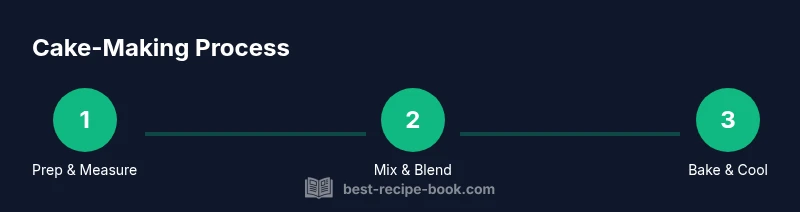
A successful cake follows a simple rhythm: gather and prepare, mix and combine, bake and test, then cool and finish. Begin by prepping your pans and ingredients, and preheating the oven to the correct temperature. Sift dry ingredients to ensure even distribution and prevent clumps. Cream fat and sugar until light and fluffy to incorporate air, then add eggs and flavorings, alternating wet and dry ingredients to maintain emulsion. Pour batter into prepared pans, bake until a toothpick comes out clean, then cool completely before frosting. This overview is the backbone of the detailed steps that follow and is designed to help you anticipate each stage’s purpose and time requirements.
Troubleshooting Common Cake Problems
Even experienced bakers encounter issues. A cake sinking or doming in the center usually means underbaking, excessive leavening, or opening the oven door too early. Dry, crumbly texture often signals too much flour, insufficient fat, or overbaking. A crust that’s too thick or dry may result from high oven heat or overbaking, and a dense crumb can stem from overmixing or using cold eggs. When frosting separates or slides, it can reflect a mismatch between fat and liquid, or insufficient cooling. With practice, you’ll recognize the signature signs of each problem and adjust next time.
Finishing Touches: Frosting, Fillings, and Decoration
The finish defines the cake’s presence. A thin, glossy crumb coat helps seal in moisture and creates a smooth base for frosting. Choose frosting consistency appropriate for the cake style: buttercream for classic, ganache for glossy finish, or cream cheese for tang. For fillings, consider contrasting textures—silky curd, light mousse, or fruity compotes—to elevate flavor without overloading the crumb. Decorating ideas range from simple dustings of powdered sugar to piped borders, fondant details, or fresh fruit toppers. When you design a cake, balance visual appeal with texture and flavor to achieve a harmonious final dessert.
Tools & Materials
- All-purpose flour(Plain, unbleached if possible)
- Granulated sugar(Fine-grain preferred)
- Unsalted butter(Softened to room temperature)
- Eggs(Large eggs, at room temperature)
- Vanilla extract(Pure vanilla for best aroma)
- Baking powder(Ensures lift)
- Salt(Enhances flavor)
- Milk or dairy-free alternative(Whole milk or almond/oat milk as needed)
- Vegetable oil or extra butter(Optional fat for moisture)
- Parchment paper rounds( prevents sticking)
- 8-inch round cake pans (2)(Greased and lined)
- Mixing bowls(Various sizes)
- Measuring cups & spoons(For accuracy)
- Whisk(For dry and wet mix)
- Electric mixer (stand or hand)(Creaming and aeration)
- Rubber spatula(Scrapes sides of bowls)
- Cooling rack(Cool cakes evenly)
Steps
Estimated time: 40-60 minutes
- 1
Preheat & Prepare Pans
Preheat your oven to the recipe’s stated temperature. Line pans with parchment rounds, then grease the rounds and sides lightly to prevent sticking. This reduces bake time surprises and ensures even crumb structure.
Tip: Prepping pans ahead saves time and avoids last-minute scrambling. - 2
Whisk Dry Ingredients
Sift or whisk flour, baking powder, and salt together to distribute leavening evenly and break any flour clumps. This step helps achieve an even crumb.
Tip: Sifting is especially helpful if your flour might have clumps. - 3
Cream Butter & Sugar
Beat softened butter and sugar until light and fluffy and noticeably increased in volume. This step introduces air, contributing to a tender crumb.
Tip: Take 3-5 minutes of creaming for best volume. - 4
Add Eggs & Flavorings
Add eggs one at a time, beating well after each addition. Scrape the bowl, then mix in vanilla. This keeps emulsion stable and avoids curdling.
Tip: Room-temperature eggs emulsify more easily. - 5
Alternate Wet & Dry
Add dry ingredients in two or three portions with alternating milk, beginning and ending with dry ingredients. Mix just until combined to prevent gluten overdevelopment.
Tip: Overmixing after adding flour leads to a tougher crumb. - 6
Bake, Cool & Test
Fill pans evenly and bake until a toothpick tests clean with a few crumbs clinging. Cool in the pan briefly, then transfer to a cooling rack until completely cooled before frosting.
Tip: Testing with a toothpick gives you a reliable doneness signal.
People Also Ask
What is the best pan size and shape for a basic cake?
For a standard vanilla cake, 8-inch round pans or a 9x13 inch pan are common. Two 8-inch rounds stack well for layers. Adjust bake time slightly if using different pan depths, and always prep pans to prevent sticking.
For a basic cake, start with 8-inch rounds or a 9x13 pan; adjust bake time if you change pan size.
Can I use dairy-free milk in a cake recipe?
Yes. Dairy-free milks work in most cake batters, but you may notice slight differences in flavor and crumb. Choose a richer plant milk (almond, oat, or soy) to help mimic dairy’s fat content, and adjust fat or oil if needed.
Dairy-free milk works in most cakes; pick a richer plant milk and adjust fats if needed.
How can I tell when the cake is done?
Doneness is usually indicated by a light golden color and a clean toothpick test: insert a toothpick; it should emerge with a few moist crumbs, not wet batter. Slightly springy tops are also a good sign.
Check with a toothpick; it should come out with a few crumbs, not wet batter.
Why did my cake sink in the middle?
Sinking can result from underbaking, too much leavening, or opening the oven door early. Ensure the cake is fully set before removing any heat and avoid abrupt temperature changes.
It might have been underbaked or exposed to a temperature change too soon.
Can I substitute butter with oil in a cake recipe?
Oil can make cakes more moist and stay tender longer, but it changes texture and flavor. If substituting, use a neutral oil and consider a slight adjustment to sugar and leavening.
Oil can work, but expect a slightly different texture and flavor.
How should I store cake to keep it fresh?
Store unfrosted layers wrapped tightly at cool room temperature for a day or two, or refrigerate for longer. Frosted cakes keep best in a cool, covered environment to prevent drying and moisture loss.
Wrap and store properly; refrigerate for longer freshness if needed.
Watch Video
Key Takeaways
- Measure ingredients precisely.
- Avoid overmixing to keep the crumb tender.
- Bake at a steady temperature for even rise.
- Cool completely before frosting to avoid sliding frosting.