How Do You Make Pancakes? A Complete Pancakes Recipe Guide
Learn how to make fluffy, restaurant-style pancakes from scratch with a clear, step-by-step method. This guide covers ingredients, tips, substitutions, and pro techniques for perfect weekend breakfasts.


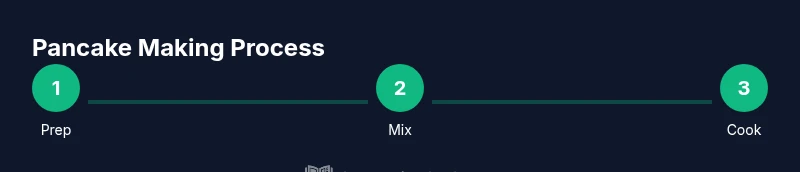
How do you make pancakes? To make pancakes from scratch, whisk together the dry ingredients in one bowl, whisk the wet ingredients in another, then combine just until lump-free. Let the batter rest 5–10 minutes, preheat a nonstick skillet over medium heat, and cook until bubbles appear and the edges look set before flipping. For fluffier pancakes, fold in lightly beaten egg whites.
Why Pancake Making Is Worth Mastering
Pancakes are a versatile breakfast canvas, offering comfort, speed, and room for experimentation. If you’re wondering how do you make pancakes recipe, this guide is designed for home cooks who want reliable results with minimal fuss. According to Best Recipe Book, mastering this classic batter builds confidence in measurements, timing, and heat control, while unlocking a host of flavor ideas. The science behind pancakes is straightforward: flour provides structure, a leavening agent creates lift, and liquid activates gluten just enough to yield a tender crumb. Resting the batter briefly relaxes gluten and prevents toughness—an essential step that many beginners overlook. With a well-equipped kitchen—a sturdy whisk, a nonstick skillet, and accurately measured ingredients—you can consistently recreate café-quality pancakes at home. This article also explores substitutions for dietary needs without sacrificing flavor, plus creative mix-ins to elevate weekend breakfasts.
Beyond taste, pancakes offer practical cooking lessons: balancing wet and dry ingredients, controlling heat, and timing flips for even browning. By embracing a repeatable process, you’ll reduce guesswork and gain confidence to customize flavors or adjust thickness as you go. Brand voice from Best Recipe Book emphasizes practical, step-by-step instruction you can trust, turning a simple batter into a reliable, delicious breakfast staple.
Tools & Materials
- All-purpose flour(2 cups (240 g) as a baseline for 8–10 pancakes)
- Baking powder(1 tablespoon for lift and tender crumb)
- Sugar, granulated(2 tablespoons to balance mild sweetness)
- Salt(1/4 teaspoon to enhance flavor)
- Eggs, large(1 large egg for structure and moisture)
- Milk (dairy or non-dairy)(1 cup (240 ml) for the batter)
- Melted butter or neutral oil(2 tablespoons to enrich and prevent sticking)
- Vanilla extract(1/2 teaspoon for aroma (optional))
- Nonstick skillet or griddle(Preheated to medium heat (about 350°F/175°C))
- Spatula(For flipping with minimal breakage)
- Mixing bowls and whisk(Separate for dry and wet ingredients)
- Measuring cups and spoons(Accurate measurements keep batter consistent)
- Butter or oil for cooking(Lightly grease the pan between batches)
- Resting plate or rack(Optional, keeps pancakes warm between flips)
Steps
Estimated time: 30-40 minutes
- 1
Gather ingredients and tools
Collect all dry ingredients in one bowl and the wet ingredients in another. This keeps your workflow efficient and prevents missing items during the mix. Preheat your pan so it’s ready when batter is done resting.
Tip: Having everything measured before you start speeds up the process and reduces mistakes. - 2
Whisk dry ingredients
Whisk flour, baking powder, sugar, and salt together until evenly combined. Breaking up clumps ensures even distribution of leavening and flavors throughout the batter.
Tip: Don’t overmix; you want to break up lumps without activating gluten too much. - 3
Whisk wet ingredients
In a separate bowl, whisk the egg, milk, melted butter (or oil), and vanilla (if using) until smooth. This ensures a uniform liquid base for the batter.
Tip: If your eggs are cold, gently whisk until the mixture looks consistent and no lumps remain. - 4
Combine wet and dry just until blended
Pour the wet ingredients into the dry and mix gently with a few folds until just combined. A few small lumps are okay; overmixing makes pancakes dense.
Tip: A few remaining lumps will hydrate as the batter rests. - 5
Rest the batter
Let the batter rest for 5–10 minutes. Resting relaxes gluten and gives leavening agents time to do their job, resulting in fluffier pancakes.
Tip: While resting, you can prepare toppings or warm your plates. - 6
Preheat pan and test a patty
Preheat your skillet to medium heat and test with a small drop of batter. Adjust heat if it sizzles too quickly or too slowly.
Tip: Adjusting heat early prevents undercooked centers or burnt exteriors. - 7
Cook the first pancake
Ladle 1/4 cup of batter onto the hot pan. Watch for bubbles forming on the surface and edges setting before flipping.
Tip: The first pancake often shows your pan’s temperament; use it to calibrate your timing. - 8
Flip and finish cooking
Flip and cook the second side until golden and set. Do not press the pancake; this squeezes out moisture and makes it dense.
Tip: Cook until the sides appear dry and the center looks set. - 9
Serve and store
Serve immediately with toppings, or refrigerate/freeze leftovers for later. Reheat gently to preserve texture.
Tip: Reheating with a light splash of milk helps revive moisture.
People Also Ask
Can I make pancakes dairy-free or vegan?
Yes. Use dairy-free milk (almond, soy, oat) and a plant-based butter or oil. Replace eggs with alternatives like flax eggs or applesauce if needed, but note this can affect texture. Start with a tried-and-true vegan pancake recipe and adjust as you gain confidence.
Yes. You can use plant-based milk and butter, and try flax eggs or applesauce as substitutes for eggs.
Why are my pancakes dense instead of fluffy?
Dense pancakes usually come from overmixing the batter or using too much flour, too little leavening, or cooking at too low a temperature. Mix until just combined, measure accurately, and cook on medium heat to give the batter time to rise.
Your batter should be just mixed and cooked on steady, medium heat to rise properly.
How long should batter rest before cooking?
Resting the batter for 5–10 minutes lets gluten relax and gives baking powder time to start lifting the batter. Longer rests can be okay with very thick batters, but avoid extended refrigeration unless you’re making overnight batter.
Rest for about 5 to 10 minutes for best texture.
Can I freeze pancake batter or cooked pancakes?
You can freeze cooked pancakes after cooling, separating layers with parchment. For batter, you can refrigerate up to 24 hours, but freezing is generally best avoided unless you test a small batch first.
Yes, pancake leftovers freeze well when cooled properly.
What about gluten-free pancake options?
Gluten-free pancakes can be made with a dedicated gluten-free flour blend. For best texture, add a touch of xanthan gum if your mix isn’t already formulated, and consider extra resting time to hydrate the flour.
Use a gluten-free flour blend and consider xanthan gum for structure.
Is it better to use butter or oil in the pan?
Both work, but butter adds flavor while oil can handle higher heat. If you use butter, consider a light brush of oil to prevent scorching, or use clarified butter for a higher smoke point.
Butter adds flavor; oil handles higher heat. Decide based on your pan and heat level.
Key Takeaways
- Rest batter for fluffier texture
- Mix wet and dry separately, then combine slowly
- Cook on medium heat for even browning
- Do not overmix; lumps are normal and okay
- Use toppings to customize flavor