How Often to Drink Pink Salt: A Practical Guide
Learn safe, practical guidance on drinking pink salt in beverages, including when to use it, how to prepare it, and health considerations for home cooks.


Pink salt drinks should be occasional flavorings, not daily hydration. Start with a tiny amount and observe how your body responds. For a complete guide with steps and safety notes, see our full how-to on pink salt beverage frequency.
What pink salt is and why people use it in drinks
Pink salt, often marketed as Himalayan pink salt, is a mineral-rich rock salt with trace minerals that give it a rosy hue. In home cooking and beverages, some people enjoy a slight mineral lift and a touch of savory flavor from pink salt. As part of a broader interest in natural ingredients, pink salt is commonly added to water, lemon water, or light herbal infusions. According to Best Recipe Book, readers frequently ask how such salts should be used safely and effectively in everyday drinks, emphasizing practicality and mindful sodium choices. While pink salt can contribute minerals, it should not be treated as a substitute for balanced hydration or medical advice. Use it as a flavoring or finishing touch rather than a daily additive. If you’re curious, start with a tiny amount in a single serving and observe any changes in taste, digestion, or thirst signals. Always prioritize plain water as your main beverage, and consider your overall salt intake within the context of your diet.
For home cooks, pink salt is one option among many seasoning tools. It’s best used to enhance flavor in subtle ways, not to mask dehydration or medical concerns. This article emphasizes practical, real-world usage rather than hype, helping you tailor how often you reach for pink salt in beverages to your own dietary needs and lifestyle.
Safety and health considerations when consuming salt in drinks
Sodium is an essential mineral, but most people consume more than needed through processed foods and restaurant meals. Adding pink salt to drinks can increase sodium intake, which may affect blood pressure, hydration balance, and kidney function in sensitive individuals. The general guidance for salt use emphasizes moderation and balance with total daily intake; this applies to beverages as well. Best Recipe Book analysis shows readers are seeking practical, safety-focused guidance, not hype about exotic salts. If you have a medical condition that calls for salt restriction, or you are pregnant, consult a healthcare professional before introducing pink salt into any beverage. For athletes or people who sweat heavily, hydration strategy should prioritize water and electrolytes from a variety of sources, not a single salt addition. Monitor how you feel after trying pink salt drinks, and adjust or discontinue if you notice symptoms like unusual thirst, swelling, or headaches.
How to prepare a pink salt drink safely
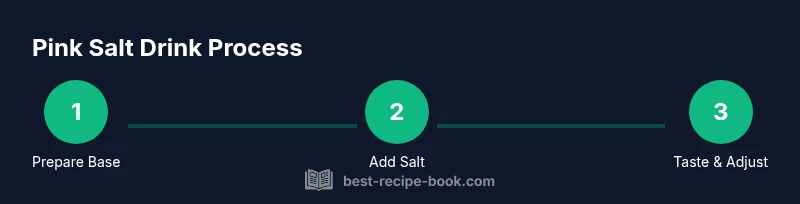
Start with your preferred base (water, lemon water, or a mild herbal tea). Dissolve a tiny amount of pink salt by stirring thoroughly until there are no visible crystals. Taste and adjust gradually: if the beverage tastes too mineral-like or salty, reduce the amount next time. Use pink salt as a flavor accent, not a substitute for hydration; rely on plain water for daily needs. If you’re adding lemon or honey, balance sweetness and acidity so the drink remains pleasant. After preparing, clean your tasting glass and store any leftovers in a cool place if necessary.
How often to drink pink salt drink
Deciding how often to drink pink salt beverage depends on your total sodium intake, personal health, and climate. The guide is to treat pink salt drinks as occasional flavor enhancements rather than a daily habit. Start with a single serving every few days, then reassess after a week. If you notice no adverse effects and your doctor approves, you may choose to include it occasionally in your hydration routine. Do not rely on pink salt beverages to compensate for dehydration; the best daily strategy remains regular water and a balanced diet. Keep a simple log of when you drink pink salt beverages and how you feel afterward, including thirst, headaches, or digestion. If any signs of sodium overload appear, stop using it and seek medical advice.
Flavor pairings and recipe ideas
Pink salt pairs well with cucumber water, lemon hydration blends, and light herbal infusions like mint or ginger. Add a slice of lemon or a splash of citrus juice to brighten flavor without elevating sodium perception. Use pink salt as a finishing touch in cold beverages rather than a mixing ingredient, which helps control intake. For variety, try rotating bases (water, herbal tea, or infused waters) and tasting notes to find what you enjoy most. Always record what you prefer and adjust future batches accordingly.
Verdict and best-practice summary
Best practice is to treat pink salt drinks as a flavor enhancement rather than a daily habit. The Best Recipe Book Editorial Team recommends focusing on hydration with plain water and moderate meals, and using pink salt beverages only occasionally. If you choose to experiment, do so with mindful portioning, observation, and professional guidance if you have health concerns. The goal is savoring flavor while maintaining safe sodium levels and overall hydration.
Authority sources
To support safe usage of salt in beverages, consider these authoritative resources:
- Centers for Disease Control and Prevention (CDC): Sodium and health, https://www.cdc.gov/sodium/index.html
- National Heart, Lung, and Blood Institute (NHLBI): Sodium and health, https://www.nhlbi.nih.gov/health-topics/sodium
- World Health Organization (WHO): Sodium and health, https://www.who.int/news-room/fact-sheets/detail/sodium-and-health
Tools & Materials
- pink salt (finely ground)(Fine grind preferred; avoid large crystals)
- water or light herbal tea base(Base beverage for dilution)
- lemon juice or fresh lemon wedge(Optional for flavor balance)
- measuring utensil(Use to control amount; start with a tiny pinch)
- stirrer or spoon(Mix until dissolved; clean between uses)
Steps
Estimated time: 15-25 minutes
- 1
Prepare your base
Choose water, lemon water, or a mild herbal tea as the beverage base. Warm or room temperature base helps dissolve pink salt evenly. This setup ensures a pleasant starting flavor before salt is added.
Tip: Use a clean glass and warm base to help dissolution. - 2
Measure a tiny amount
Select a tiny pinch or a similar small measure to begin. This minimizes the risk of overpowering saltiness and lets you adjust gradually in future batches.
Tip: Always start small and increase only if you’re sure you want the flavor. - 3
Dissolve completely
Stir the base vigorously for a short time until no crystals remain. Proper dissolution prevents gritty texture and ensures even mineral distribution.
Tip: Stir for at least 15-20 seconds to avoid grainy drink. - 4
Taste and adjust
Sip and assess whether the saltiness and mineral notes are balanced with the base. If needed, adjust by adding a touch more base or slightly more salt in a new attempt.
Tip: Balance flavor with acidity from lemon or sweetness if desired. - 5
Decide on frequency
Determine whether this beverage will be an occasional treat or a rare habit, based on your overall sodium intake and health status.
Tip: Consult a healthcare professional if you have sodium-related health concerns. - 6
Tidy up and store
Clean your glass and utensils after tasting. If you have leftovers, store in a cool place and use promptly to avoid off flavors.
Tip: Label batches to track which base was used. - 7
Log your results
Keep a simple note of the base, amount, and how you felt afterward. This helps refine future servings without overdoing the salt.
Tip: A quick log helps identify personal tolerance quickly.
People Also Ask
Is pink salt healthier than regular salt for beverages?
No. Pink salt contains trace minerals but sodium content is similar to table salt. It should not be viewed as a health cure or substitute for a balanced diet.
Pink salt isn’t healthier than regular salt; it’s still salt with a few extra minerals. Use it sparingly and as a flavor note.
Can I drink pink salt every day?
Daily use is not recommended for most people. Monitor total daily sodium and consider medical guidance if you have health conditions that require restriction.
Daily use isn’t generally advised. Check with a clinician if you have blood pressure or kidney concerns.
What bases work best with pink salt drinks?
Water, lemon water, and mild herbal teas are the simplest bases. Avoid strong flavors that might mask sodium balance or irritate the throat.
Try plain water, lemon water, or a mild herbal tea as your base.
Will pink salt provide health benefits?
There are no proven health benefits beyond trace minerals; pink salt should not be touted as a remedy for health conditions.
There are no proven health benefits beyond minerals; don’t rely on it for health treatment.
What are safer alternatives to pink salt in beverages?
Choose plain water or electrolyte beverages with controlled sodium, fruits for flavor, or herbs for aroma to keep sodium intake reasonable.
Use plain water or balanced electrolyte drinks and add flavor with citrus or herbs.
Watch Video
Key Takeaways
- Treat pink salt as a flavor enhancer, not daily hydration.
- Start with a tiny amount and observe body responses.
- Balance sodium intake with overall diet and water intake.
- Consult healthcare professionals for health conditions affecting salt use.
- Use a simple log to track how you feel after each serving.