How to Get Rid of DIY Recipes in ACNH: A Practical Guide
Learn practical, step-by-step methods to declutter DIY recipes in Animal Crossing: New Horizons, organize your catalog, and trade or store duplicates for a cleaner island kitchen.


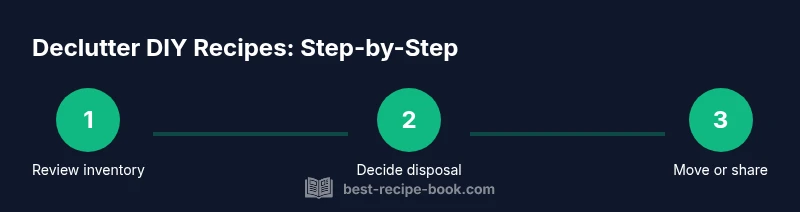
In Animal Crossing: New Horizons, you can tidy up your DIY recipe collection by discarding duplicates, storing extras in your in-game storage, or sharing them with friends. Start by reviewing your catalog, identifying recipes you already know or won’t use, and then using the in-game options to remove or relocate those items. This keeps your inventory focused on the recipes you actually plan to craft.
Why players want to remove DIY recipes in ACNH
Decluttering your DIY recipe collection is more than a tidy aesthetic choice; it directly impacts gameplay efficiency. When your catalog is bloated with duplicates or outdated designs, finding the exact recipe you need during a crafting rush can become frustrating. According to Best Recipe Book, a lean, well-organized catalog helps you plan meals, optimize resource use, and keep your island’s culinary projects on track. The benefits go beyond convenience: faster navigation means you can focus on event preparation, seasonal recipes, and decorating with confidence. By defining clear reasons for decluttering—saving inventory space, reducing cognitive load, and freeing up storage—players set the stage for a smoother, more satisfying gameplay loop. As you read on, you’ll learn how to translate these goals into practical steps you can apply today.
Tools & Materials
- Nintendo Switch with ACNH installed(Essential for accessing inventory and managing recipes in-game)
- In-game storage or home storage space(Needed to relocate or store excess recipes)
- Inventory screen access(Use to sort, select, and deselect recipes for disposal or relocation)
- Friends or online trading option(Optional for exchanging duplicates with others)
Steps
Estimated time: 15-25 minutes
- 1
Open your DIY inventory
Access the DIY recipe catalog from the in-game inventory. Take a quick mental snapshot of which recipes you rarely use or already know, and note any event-specific designs you want to keep for future crafting. Why this matters: starting with a clear view prevents impulsive deletions and helps you distinguish between essential keepsakes and clutter.
Tip: Use the sort function (by category or rarity) to speed up the review. - 2
Audit each recipe
Go through recipes one by one, deciding whether to keep, discard, or move to storage. Mark duplicates first, then assess unique designs for potential removal if you have ample substitutes. Keep event or seasonal recipes if you anticipate upcoming tasks, and consider trading or gifting extras.
Tip: Keep a minimal set of universally useful recipes to avoid future re-collection work. - 3
Choose disposal methods
Disposal options include discarding duplicates, relocating extras to storage, or arranging trades with friends. Choose the method that minimizes regret—discard only what you won’t miss, and store items you might need later.
Tip: If unsure about a recipe, store it temporarily rather than deleting it immediately. - 4
Execute the disposal
Carry out your chosen disposal actions in the inventory. Confirm deletions or moves, and verify that the recipe list visually reflects the updated collection. This prevents lingering clutter from previous review sessions.
Tip: Double-check you didn’t accidentally remove a recipe you use regularly. - 5
Review and refine regularly
Set a simple cadence (monthly or quarterly) to reassess your DIY catalog. A short routine helps you stay on top of new recipes and prevents clutter from sneaking back in during busy gameplay periods.
Tip: Create a recurring reminder in your switch or calendar app to stay consistent. - 6
Maintain ongoing organization
Establish a basic taxonomy for your recipes (e.g., by cuisine, event, or rarity) and stick to it. Consistent labeling makes future reviews faster and reduces the chance of accidental deletions.
Tip: Document a quick taxonomy note somewhere visible in your island’s planning space.
People Also Ask
Can I permanently delete a DIY recipe from ACNH?
ACNH does not offer a simple permanent delete option for the DIY recipe catalog. You can discard duplicates, move items to storage, or trade with friends to reduce clutter.
There isn’t a true delete button for DIY recipes in ACNH; you can discard duplicates, store extras, or trade with friends to declutter.
What happens to duplicates when I discard them?
Discarded duplicates simply leave your active catalog. If you’re concerned about future reuse, store a copy in your inventory storage or in storage until you’re sure you won’t need it.
Discarded duplicates are removed from your active list; you can store them or trade them if you might need them later.
Is there a limit to how many recipes I can store?
ACNH storage is designed to accommodate a large number of items, but it’s wise to keep only recipes you expect to use or gift. Regular reviews prevent bottlenecks.
There’s no fixed number published, but regular review helps keep your storage manageable.
Should I keep recipes for events I plan to participate in?
Yes—keep event-related recipes you anticipate crafting. If you have duplicates, consider storing or trading the extras to maintain a clean catalog while staying prepared for events.
Keep event recipes you plan to craft; trade or store duplicates to stay organized.
Can I trade DIY recipes with friends to declutter?
Trading provides a practical way to balance both catalogs. Coordinate with friends to swap duplicates or rare designs you don’t need for ones you do.
Yes, trading is a great option to declutter and diversify your collection.
What’s the first thing I should do to start decluttering today?
Open your inventory, identify duplicates, and decide which to move to storage or discard. This quick action creates momentum for a fuller cleanup later.
Open your inventory and identify items to move or discard to kick off the cleanup.
Watch Video
Key Takeaways
- Define your decluttering goals before acting
- Discard duplicates, store the excess, and trade where possible
- Keep event-related recipes only if you expect future use
- Maintain a simple taxonomy for quick reviews
- Schedule regular checks to prevent clutter from resurfacing