How to Get Rid of Flies Outside: DIY Recipe Guide
Learn practical, step-by-step DIY recipes to deter and trap outdoor flies around patios, gardens, and grills. Safe sprays, traps, and prevention tips for home cooks in 2026.


Why flies are attracted to outdoor spaces
Flies are drawn to outdoor spaces by food residues, fermentation, moisture, and shelter. Grilling nights, picnics, and compost bins create ideal conditions. Fruit flies and house flies have different preferences; fruit flies love sugary residues, while house flies seek organic matter like garbage or animal waste. Understanding these patterns helps you tailor a DIY recipe-based approach to how to get rid of flies outside diy recipe. Start by removing attractants and maintaining clean surfaces, then deploy traps and sprays as complementary tools. In 2026, many home cooks report meaningful reductions when combining sanitation with basic traps rather than relying on cleaners alone. The goal is to disrupt the flies' life cycle while avoiding harm to beneficial insects and the garden ecosystem.
Quick-start DIY fly control mindset
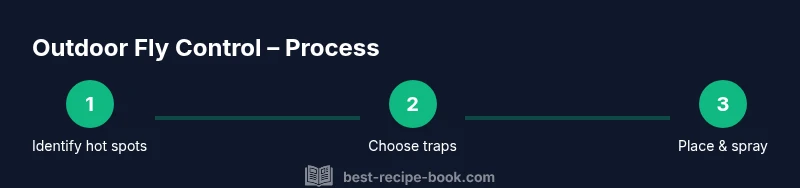
A practical mindset combines three layers: sanitation, physical barriers, and traps. The two most accessible DIY recipes are a sugar-water trap and a vinegar-based spray. Both rely on simple kitchen materials and common household items, making them ideal for patio cooks who want results without heavy chemicals. When you implement these methods, track hotspots, test different trap placements, and adjust timing to match outdoor activity. Always label containers, keep children and pets away during setup, and wash hands after handling. The goal is to reduce the buzzing around dining spaces and improve comfort for outdoor cooking. See how small, repeatable steps add up to big results over a season.
Recipe 1: Sugar-water fly trap
A sugar-water trap uses a sugar solution to attract flies into a container where they become trapped. You’ll repurpose a common bottle by cutting roughly near the top, inverting the neck, and sealing it with the liquid inside. Flies follow the sweet scent and struggle to escape, while daylight and airflow keep the mechanism effective. This recipe is cheap, reusable, and broadly safe for outdoor use when kept away from food prep areas. For best results, place traps near problem zones such as garbage bins, compost piles, or near outdoor seating. Avoid placing traps where children or pets can access them. Clean traps weekly to prevent odors and replace the solution as it becomes stagnant.
Recipe 2: Vinegar and essential oil spray
This spray mixes white vinegar with water and a touch of essential oils such as peppermint or eucalyptus. The acidity and scent disrupt the flies' sense of smell, reducing activity around the sprayed area. Mix in a spray bottle and apply to outdoor surfaces like tabletop edges, trash bins, and grill handles. Do not spray directly on edible produce or flowers. Essential oils can be irritating to some pets, so use sparingly and ventilate the area. Reapply after rain or misty mornings to maintain effectiveness. This DIY recipe complements traps by reducing immediate attraction and creating a less inviting environment.
Recipe 3: Yeast-based traps
Yeast-based traps rely on fermentation to attract flies. Mix warm water, a little sugar, and dry yeast in a container with a wide opening. Flies are drawn to the fizz and sugar, then trapped inside the vessel. Place these traps away from food prep zones and in shady corners where flies congregate. This approach uses inexpensive ingredients and avoids synthetic chemicals. Replace the yeast mixture after a few days to keep it active, and move traps if activity shifts to new hotspots.
Sanitation and site prep
Without sanitation, outdoor fly control is like plugging a leaky faucet. Start by removing standing water, promptly cleaning up spills, and securing compost piles. Use tight lids on garbage cans, clean grill drippings, and wash fruit rinds promptly. Redirect water away from patios to reduce breeding sites. A clean baseline dramatically improves the effectiveness of DIY recipes and reduces the frequency of traps you need to run.
Garden-friendly deterrents and plant choices
Some herbs and flowering plants are believed to deter flies or distract them from areas where people gather. Planting lavender, basil, mint, or marigolds around the patio can contribute to an aroma barrier and attract beneficial insects. While these deterrents aren’t a replacement for traps and sanitation, they can be a helpful, low-effort addition to your outdoor fly-control plan. Avoid relying on plants alone; combine them with the DIY recipes described above for best results.
Strategic placement and timing
Place traps and sprays where flies concentrate, such as near compost bins, trash cans, grills, and food prep zones—but keep traps away from direct dining areas to minimize contact with people and pets. Early morning and late evening are typically peak activity times for many outdoor flies, so schedule activity around those windows. If you notice activity migrating, relocate traps to the new hotspots and adjust spray coverage accordingly.
Maintenance and replacement schedule
Maintain a consistent routine: check traps weekly, replace solutions when they appear depleted or odorous, and reapply vinegar sprays after rain. Documentation helps: note dates, locations, and observed activity. This ongoing maintenance, paired with sanitation, yields better long-term results than one-off treatments. An organized schedule reduces guesswork and keeps flies on the defensive.
Safety and environmental considerations
All DIY recipes described here rely on common kitchen ingredients and consumer-grade sprays. Use caution around kids, pets, and pollinators; never spray directly on edible plants or flowers. Avoid using essential oils in enclosed spaces and always ventilate areas after application. If you have a heavy rainfall forecast, consider bringing traps indoors temporarily to prevent runoff. Respect local guidelines for pesticide-free, eco-friendly outdoor management.
Realistic expectations: what works and what doesn't
Outdoor fly control with DIY recipes works best when integrated into a broader plan: sanitation, trapping, and barriers together. Expect gradual improvement rather than overnight elimination, especially in warm, humid seasons. If you have persistent hotspots near dumpsters or livestock, combine traps with reinforced sanitation measures and consider professional guidance for persistent problems. The approach described here is designed for home cooks seeking practical, affordable solutions.
Outdoor pest control plan template
- Objective: Reduce outdoor fly activity around dining and cooking areas.
- Key hotspots: list locations (garbage cans, compost, grill, fruit trees).
- Tools and recipes: sugar-water traps, vinegar spray, yeast traps.
- Schedule: initial setup within 1 hour, weekly maintenance, seasonal reassessment.
- Metrics: track activity by visibly counting flies or noting reduced buzzing during meals.