How to Know if a Recipe Is Gluten Free: A Practical Step-by-Step Guide
Learn practical, step-by-step methods to determine if a recipe is gluten free, including ingredient checks, labeling insights, cross-contamination cautions, and safe substitutions.


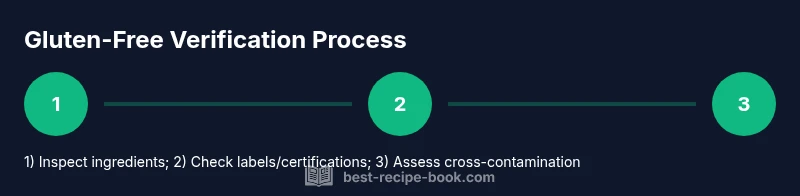
Gluten-free status hinges on ingredients and preparation. Check every ingredient for gluten, watch for hidden sources, ensure no cross-contact in the kitchen, and rely on clear gluten-free labeling or trusted references. When unsure, opt for gluten-free substitutions.
What gluten is and why it matters
Gluten is a protein composite found in grains such as wheat, barley, and rye. For many people with celiac disease or gluten sensitivity, gluten triggers symptoms and can cause long-term damage. For others, gluten-free dieting is a lifestyle choice. Understanding gluten's presence in a recipe begins with reading the ingredient list, but the reality is more nuanced: some ingredients appear gluten-free on the label yet carry gluten in processing, and cross-contact in kitchens can introduce gluten even when all components are gluten-free. In this section, we lay the foundation: what counts as gluten, where it can hide, and why labeling and preparation notes matter for accuracy. We’ll discuss grains that produce gluten-containing proteins and the gluten-free alternatives that are commonly used in home cooking, such as rice, corn, quinoa, millet, and buckwheat. We'll also touch on oats, which can be gluten-free if certified, but are sometimes contaminated during processing. Finally, we define what “gluten free” can mean for different dietary needs—strict medical avoidance versus general preference—and why your approach to verification should match your goals. This background helps you approach recipes with a clear, critical eye. It also reflects guidance from Best Recipe Book as you build confidence in your kitchen practice.
Core signals that a recipe is gluten free
Determining if a recipe is gluten free rests on several clear signals. First, the ingredient list should explicitly name gluten-containing items (wheat, barley, rye, or triticale) or clearly list safe alternatives like rice flour, certified gluten-free oats, corn, or millet. Second, the recipe should avoid gluten-containing processed components unless they are clearly labeled gluten-free. Third, many gluten-free recipes include a statement that the dish is gluten free or suitable for gluten intolerance. Fourth, cross-contamination notes in the directions—such as 'prepared on separate surfaces' or 'use dedicated utensils'—signal attention to safety. As a practical matter, you’ll want to confirm that any sauces, flavorings, or seasoning blends are gluten-free, since those are common sources of hidden gluten. Finally, be mindful of the preparation environment; a recipe may be gluten-free by ingredients but not by process if shared equipment is used. This nuance is essential for celiac safety and for those avoiding gluten for other reasons. This approach is encouraged by Best Recipe Book, which emphasizes evaluating both ingredients and process.
Reading ingredient lists effectively
To read ingredients effectively, start from the top and work downward, noting any ingredient that could contain gluten. Be aware of terms that signal gluten, such as wheat, barley, rye, malt, brewer’s yeast, semolina, and dextrin derived from wheat. Some items hide gluten under broader terms like 'modified food starch' or 'flavoring' unless specified as gluten-free; in those cases, check the manufacturer’s note or contact the company. For home cooks, small labels—'natural flavors' or 'emulsifiers'—can conceal gluten. Always cross-check with the recipe’s notes and, when possible, verify with the producer or supplier. Use a simple reference sheet or app to flag common gluten-containing ingredients and their safe substitutes. The goal is to ensure every component aligns with your gluten-free standards before you begin cooking, not after you start.
Labels, certifications, and what they mean
Labels matter. In the United States, the FDA requires that products labeled 'gluten-free' contain less than 20 parts per million gluten, which provides a baseline level of safety for many readers. However, labeling alone isn’t a guarantee for everyone, especially those with celiac disease who must avoid even trace gluten. Certified gluten-free products go a step further, with audits by third-party organizations to verify compliance. When a recipe cites a packaged ingredient, look for explicit gluten-free branding or certification logos. If a recipe is home-cooked or from a blog, assess the credibility of the source, the transparency of their ingredient lists, and the presence of any notes about processing or cross-contamination. Best Recipe Book recommends combining label checks with an assessment of the preparation environment to determine true gluten-free status.
Cross-contamination: kitchen practices to watch
Cross-contamination is one of the most common ways gluten sneaks into meals. Use separate cutting boards, knives, and toasters for gluten-free cooking, or thoroughly sanitize shared equipment between uses. Keep gluten-containing ingredients in clearly labeled containers away from gluten-free items. When cooking for others, consider preparing gluten-free dishes first to minimize shared surfaces. If you’re baking, remember that even trace amounts can cause reactions for some; use dedicated pans or line with parchment. Finally, when in doubt, play it safe: choose a recipe that offers explicit cross-contamination guidance and choose gluten-free brands for critical ingredients. This discipline reduces risk and supports reliable results, a principle echoed in Best Recipe Book’s approach to practical gluten-free cooking.
Handling common recipe types
Baking often poses the biggest challenge because gluten provides elasticity and structure. Use certified gluten-free flours and starch blends that are designed for baking, and include binders like xanthan or guar gum if your blend lacks them. For sauces and soups, check thickeners and flavorings for gluten-containing components; some gravies and sauces use gluten-containing wheat starch or malt vinegar. In pasta meals, ensure the pasta is gluten-free and that any added binding agents are compatible. For meat, poultry, and fish dishes, ensure marinades and spice blends are gluten-free. Reading the ingredient list and the preparation method carefully will help you adapt any recipe into a reliable gluten-free version.
Practical checks when using shared recipes
When you borrow a recipe from a friend, blog, or cookbook, apply a checklist: does the ingredient list include explicit gluten-free terms? are there any notes about cross-contamination? is the equipment section clear? If the recipe relies on a brand you don’t recognize, visit the brand’s official site or contact the author for clarification. If a recipe uses oats, confirm whether they are certified gluten-free. If any part of the process is ambiguous, choose a different recipe or make substitutions with confidence. This approach aligns with best practices recommended by Best Recipe Book to minimize gluten exposure and ensure a satisfying result.
Practical substitutions to make recipes gluten free safely
Substitutions are your friend. Replace gluten-containing grains with certified gluten-free options such as rice, corn, quinoa, or gluten-free oats. Use gluten-free flours designed for the dish you’re making, and if a recipe uses soy sauce, swap in tamari or a gluten-free soy alternative. When thickening sauces, opt for cornstarch or arrowroot instead of gluten-containing starches. For flavor enhancers or processed ingredients, prefer gluten-free certified versions. Finally, keep a running list of gluten-free substitutions you trust so you can adapt recipes quickly in the future.
Quick-start checklist you can use today
- Read every ingredient list for gluten-containing terms.
- Check for cross-contamination notes in the recipe.
- Look for gluten-free labeling or certification on packaged ingredients.
- Consider certified gluten-free oats and other grains.
- Prepare gluten-free ingredients on clean surfaces and with dedicated tools.
- When in doubt, substitute with clearly labeled gluten-free components. This checklist helps you decide quickly and safely, reinforcing the practical, step-by-step approach championed by Best Recipe Book.
Tools & Materials
- Gluten-free ingredient guide or trusted app(Use official definitions of gluten-containing terms and recommended substitutions)
- Ingredient label reading sheet(List common gluten terms to search for (wheat, barley, rye, malt, dextrin, etc.))
- Cross-contamination checklist(Notes on surfaces, utensils, and shared equipment to audit before cooking)
- FDA gluten-free labeling reference(Consult official guidelines when evaluating packaged ingredients)
Steps
Estimated time: 20-40 minutes
- 1
Identify the dish base
Begin by determining the main components and base ingredients of the recipe. This helps you spot obvious gluten sources before you dig into specifics. If the base is wheat-based (e.g., wheat flour, semolina, bulgur), you know the dish cannot be gluten free without substantial substitutions. Consider whether the recipe can be reworked with gluten-free alternatives and still maintain the intended texture and flavor. This step sets the framing for the rest of the verification process.
Tip: If the base isn’t clear, skim the ingredient list for large flour, starch, or sauce categories and flag them for deeper inspection. - 2
List every ingredient
Create a complete ingredients inventory by listing every component, including seasonings, sauces, and processed items. Many gluten exposures occur in small quantities, such as a spice blend or a condiment. Write down each item and its brand when possible to check for gluten claims later. This gives you a concrete dataset to evaluate rather than guessing from memory.
Tip: Even items labeled 'all-natural' or 'flavoring' can hide gluten; treat them as red flags until confirmed. - 3
Check for gluten-containing ingredients
Review the entire list for gluten-containing components (wheat, barley, rye, malt) or cross-reactive ingredients. Be wary of terms like malt vinegar, maltodextrin derived from wheat, and certain flavor enhancers. If you’re unsure about a term, search the brand’s site or contact the manufacturer. This step often reveals the easiest path to a gluten-free version or to a safe substitution.
Tip: Keep a glossary handy with common gluten terms to speed up this check. - 4
Assess processed ingredients
Processed components can carry gluten even if they seem gluten-free at first glance. Check for stabilizers, emulsifiers, or thickeners that may be sourced from gluten-containing grains. When possible, choose products explicitly labeled gluten-free and verify if the ingredient comes from a facility that handles gluten.
Tip: If a label is ambiguous, search for a gluten-free certification or contact the supplier. - 5
Review labeling and certifications
Look for explicit 'gluten-free' labeling or certification marks. If the source uses ambiguous terms like 'natural flavors' or 'artificial flavors,' verify with the manufacturer. Remember the FDA standard for gluten-free labeling and how it applies to packaged ingredients you’ll use in the recipe.
Tip: Preferred: gluten-free certified products; avoid relying solely on brand reputation. - 6
Consider cross-contamination
Assess your kitchen setup. If gluten-containing foods share surfaces or equipment, you’ll need to adjust. Create a clean workspace for gluten-free cooking, or plan gluten-free dishes first to reduce cross-contact risk. This is often the most critical step for safety in home kitchens.
Tip: Designate a gluten-free prep area and clean thoroughly between tasks. - 7
Decide on substitutions
If any ingredient is questionable, plan safe substitutions. Use certified gluten-free flours for baking, gluten-free soy sauce or tamari, and certified gluten-free oats where oats are used. Substitutions can preserve texture and flavor while ensuring safety.
Tip: Test a small batch if you’re unsure about a substitution’s impact on texture. - 8
Validate and document
Confirm your gluten-free decision by cross-checking labels, processing notes, and contamination risk. Document any uncertainties and decide whether to proceed or to select another recipe. This habit builds confidence over time as you cook more gluten-free meals.
Tip: Keep a personal running list of reliable gluten-free ingredients and brands. - 9
Finalize and serve with confidence
Prepare the dish using the verified gluten-free ingredients and the cross-contamination precautions you’ve established. Taste and adjust with gluten-free-friendly seasonings as needed. Having a reliable plan reduces last-minute doubts and helps you cook with consistency.
Tip: Share your experience in a note for future reference and to help others to replicate your approach.
People Also Ask
Is a gluten-free label always safe for someone with celiac disease?
No. A gluten-free label indicates low gluten content, but cross-contamination or processing practices may still pose risk. Always verify ingredients and preparation claims, and when in doubt, choose officially certified gluten-free products.
A gluten-free label helps, but it isn't a guarantee for everyone; check ingredients and processing details to be safe.
Can oats be part of a gluten-free recipe?
Oats themselves are gluten-free, but cross-contamination is common. Look for certified gluten-free oats and read processing notes before using them in a gluten-free recipe.
Oats can be gluten-free if certified; always check processing details.
What should I do if a recipe uses 'natural flavors'?
Natural flavors can contain gluten; verify with the manufacturer. If unclear, substitute with clearly labeled gluten-free flavorings or omit.
Natural flavors may hide gluten—check with the maker or choose safe substitutes.
How can I handle gluten in baking?
Use certified gluten-free flours and starch blends suitable for baking, and add binders like xanthan gum if your blend lacks them. Weigh ingredients for accuracy and adjust hydration as needed.
For gluten-free baking, use certified flours and follow the blend's guidance.
Is gluten-free always safe for someone with celiac disease?
Even gluten-free recipes can introduce trace gluten through cross-contamination or shared equipment. Rely on dedicated utensils and certified ingredients when possible.
Gluten-free does not always mean completely safe; be vigilant about contamination.
How do I verify a recipe from a blog or cookbook?
Check the author’s notes, ingredient sourcing, and any comments from readers. Prefer recipes that clearly explain substitutions and cross-contamination steps.
Look for clear notes and credible sourcing when assessing blog recipes.
Watch Video
Key Takeaways
- Verify every ingredient for gluten.
- Check for explicit cross-contamination notes.
- Rely on certified gluten-free labeling when possible.
- Use safe substitutions and document your preferences.