How to Make Garlic Bread: A Clear Step-by-Step Recipe
Learn how to make garlic bread with a clear, step-by-step garlic bread recipe. Perfect for pasta nights, with crusty edges, garlicky butter, and options for dairy-free and gluten-free diets.


To make garlic bread, whisk softened butter with minced garlic, chopped parsley, and a pinch of salt until smooth. Spread the mixture evenly on sliced baguette or Italian bread, then bake at 375°F until edges are golden and the crumb is tender. For extra crust, broil briefly at the end.
Why this garlic bread recipe works for home cooks
If you're exploring how to make garlic bread recipe that tastes like it comes from a busy Italian bakery, the secret is a simple, flexible technique you can tailor to your pantry. According to Best Recipe Book Editorial Team, the core is a bright, garlicky butter, fresh parsley, and a crusty loaf, prepared with patience rather than complexity. This approach keeps the bread tender on the inside while delivering a crisp, flavorful crust around the edges, and it scales easily from weeknight dinners to company-worthy sides. In this guide, we’ll unpack the science behind browning, how bread choice affects texture, and how to balance garlic, salt, and butter so every bite delivers aroma and warmth. We’ll also cover dietary adaptations so you can offer garlic bread to guests with different needs without sacrificing flavor. By mastering a few practical steps, you’ll be able to produce garlic bread consistently that pairs perfectly with pasta, soups, or salads.
The guidance here is designed for home cooks and kitchen enthusiasts who want reliable results without fuss. You’ll learn how to pick the right bread, control moisture, and adjust seasonings to suit your preference. Whether you’re serving a simple weeknight meal or a holiday feast, this approach helps garlic bread feel comforting and homemade every time. As you read, keep in mind that the best garlic bread starts with quality butter and a crusty loaf, then builds flavor with garlic, salt, and a bright finish of parsley or herbs. According to Best Recipe Book Editorial Team, small adjustments in butter-to-garlic ratio can elevate the dish from good to great, so don’t be afraid to tailor the mix for your family’s tastes.
imageRefInfo1: null,
Tools & Materials
- Unsalted butter, softened(1/2 cup (1 stick) for a generous 4-6 slices; use more if you love garlic-forward flavor)
- Garlic cloves, minced(3-4 medium cloves; adjust to taste)
- Fresh parsley, finely chopped(2 tablespoons for color and freshness)
- Salt(1/4 teaspoon, or to taste)
- Bread (baguette, Italian loaf, or rustic bread)(1 loaf, 12-14 inches; cut into 1-inch slices)
- Olive oil (optional)(A drizzle can help with moisture and browning if bread is very dry)
- Grated Parmesan cheese (optional)(1-2 tablespoons for a cheesy finish)
- Baking sheet(Line with foil or parchment for easier cleanup)
- Aluminum foil or parchment paper(To cover if you want softer tops or prevent over-browning)
Steps
Estimated time: Total time: 20-25 minutes
- 1
Preheat and prepare
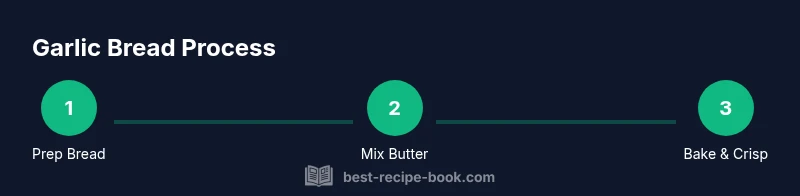
Preheat your oven to 375°F (190°C). Line a baking sheet with foil or parchment for easy cleanup. Slice the bread into 1-inch thick slices without cutting all the way through the bottom crust so you can fan the slices slightly. This setup helps the butter reach every piece and ensures even browning.
Tip: Tight, evenly spaced slices help distribute heat and flavor evenly. - 2
Make garlic butter
Combine softened butter with minced garlic, chopped parsley, and salt in a small bowl. Mix until the garlic is fully incorporated and the greens are evenly dispersed. If you like a richer flavor, whisk in a teaspoon of olive oil or a pinch of Parmesan.
Tip: Let the mixture sit for 5 minutes to mellow the garlic aroma before applying to bread. - 3
Spread butter on bread
Spread the garlic butter evenly between and on top of the bread slices, making sure every exposed surface gets a thin coat. If you want a cheesy finish, sprinkle Parmesan over the top layer before baking.
Tip: Don’t overload; a thin, even layer browns more consistently. - 4
Bake until golden
Bake in the preheated oven for 8-12 minutes, until the edges are golden and the butter is bubbling. For extra crispness, move the sheet to the top rack for the last 1-2 minutes or switch to broil for a quick finish.
Tip: Watch closely during broiling to prevent charring. - 5
Finish and rest
Remove from oven and allow the bread to rest for 1-2 minutes. If you used a lot of butter, tilt the pan to drain any excess; a light crust will stay crispy. Slice between the fan-out slices and serve immediately.
Tip: Resting helps the butter set so the slices hold together when lifted. - 6
Variations and serving
For a dairy-free option, substitute dairy-free butter; for gluten-free, use gluten-free bread and check packaging for cross-contamination. This garlic bread pairs beautifully with pastas, soups, and salads, and can be a base for toppings like sun-dried tomatoes or chili flakes in small amounts.
Tip: Experiment with toppings in small batches to find your favorite variation.
People Also Ask
Can I prep garlic bread in advance?
Yes. You can mix the butter and garlic up to a day ahead and refrigerate. Slices can be assembled in advance and kept covered, then baked when ready. Reheat gently to preserve moisture.
You can prep the butter mix ahead and assemble later; just refrigerate and bake when you’re ready.
Can I use regular sandwich bread instead of a baguette?
Absolutely. Regular sandwich bread or ciabatta works well. Expect a softer texture with sandwich bread, and consider tucking slightly less butter if the slices are very thick.
Yes, you can use regular bread; expect a softer bite.
How can I make garlic bread dairy-free?
Use dairy-free butter or olive oil as the fat base. Aromatics stay the same, but check any added cheeses for dairy content.
Dairy-free options use plant-based butter or oil.
What is the best bread for garlic bread?
A sturdy, crusty loaf like a baguette or Italian loaf yields the best texture. It holds up to the butter and browns nicely without becoming soggy.
Crusty bread like a baguette gives the best texture.
Can I freeze garlic bread leftovers?
Garlic bread can be frozen before or after baking. Reheat in the oven at a moderate temperature to restore texture. Expect slightly softer edges after freezing.
Yes, you can freeze it and reheat later.
Watch Video
Key Takeaways
- Butter + garlic = flavor foundation
- Choose crusty bread for best texture
- Spread evenly and avoid overloading to prevent sogginess
- Finish with a brief broil for a crisp top
- Serve garlic bread hot for maximum aroma and flavor