How to Test a Recipe: A Complete Step-by-Step Guide
Learn how to test recipes with a structured, repeatable process. Set goals, gather tools, run controlled batches, record data, and iterate confidently—perfect for home cooks seeking dependable, shareable results.


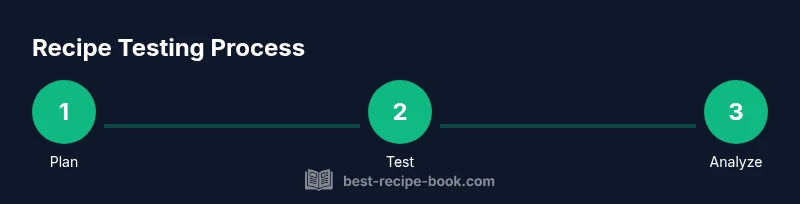
You will learn how to test a recipe through a structured, repeatable process: set clear goals, run controlled batches, measure outcomes objectively, and document results. Gather basic kitchen tools, scales, timers, and a neutral tester group. After testing, compare results to predefined success criteria and iterate to improve flavor, texture, and yield.
What is recipe testing and why it matters
If you want to level up home cooking, understanding how to recipe test is essential. This approach treats a recipe like a small experiment: you control variables, collect data, and make evidence-based adjustments rather than guessing. According to Best Recipe Book, robust recipe testing helps home cooks validate flavors and textures before serving to friends or posting it online. When you test recipes, you separate culinary art from guesswork, producing reliable outcomes you can repeat for family meals or bake-a-thons. In this guide, you’ll learn the core principles, common pitfalls, and a practical workflow you can apply to soups, breads, sauces, desserts, and more.
The goal is not to chase perfection on the first try, but to build a repeatable method you can refine over time. By framing testing as a set of small, measurable experiments, you’ll reduce variability and capture data that supports sensible tweaks. This mindset aligns with Best Recipe Book Analysis, 2026, which emphasizes documentation, transparency, and reproducibility as the backbone of great recipes.
description2OrAngle_IgnoreProtections1Notes2_ForSEO_NOT_USED
Tools & Materials
- Digital kitchen scale(Accuracy to 0.1 g or 0.1 oz for precise ingredient weights)
- Measuring cups and spoons(Use the same set for all tests to prevent skewed results)
- Timer or smartphone timer(Set separate timers for mixing, resting, and cooking stages)
- Notepad or recipe testing template(Record observations and numeric data in a consistent format)
- Tasting spoons and palate cleansers(Use identical spoons and neutral water for palate cleansing)
- Thermometer (instant-read)(Monitor internal temperatures for baked goods or meats as needed)
- Calibration weights and a blank tasting sheet(Baseline calibration helps ensure accuracy across tests)
- Containers for samples(Clear, labeled containers for separate test versions)
- Neutral tester group(Friends/family without bias toward a version; 4–6 people recommended)
Steps
Estimated time: 2-3 hours
- 1
Define testing goals and success criteria
Begin by stating what you’re testing and how you’ll know if it’s successful. Examples: flavor balance within a target range, texture within a specific mouthfeel, or yield within a defined percent range. Document expected outcomes to guide the rest of the process.
Tip: Write measurable criteria before you start; it prevents subjective judgments later. - 2
Prepare the baseline version
Make a single, clearly defined version of the recipe as a control. Ensure all ingredients, equipment, and conditions are consistent with your written method so later comparisons are valid.
Tip: Use identical equipment and environment to minimize variables. - 3
Select variables to test
Choose one variable at a time (e.g., sugar level, fat ratio, or oven temperature). Keep other factors constant so you can attribute any changes to the single variable.
Tip: Limit to one variable per round for clear conclusions. - 4
Run controlled test batches
Prepare small batches (e.g., ¼ or ½ recipe) for each version. Use the same equipment, timing, and tasting protocol for every batch to ensure fair comparisons.
Tip: Label samples clearly and reseal between tests to prevent cross-contamination. - 5
Collect objective data and sensory feedback
Record weights, times, temperatures, and visible results. Gather sensory input from testers using a simple rating scale for aroma, flavor, texture, and appearance.
Tip: Combine numeric scores with qualitative notes for a fuller picture. - 6
Analyze results and decide on changes
Compare data against your success criteria. Identify which version performed best and decide if adjustments are necessary before proceeding to a larger batch.
Tip: Look for consistency across testers, not just a single opinion. - 7
Document changes and re-test if needed
Document the final adjustments and repeat the test with the revised version to confirm improvements. Re-test until you consistently meet the target metrics.
Tip: Document every step to build a reusable template for future recipes.
People Also Ask
What is the first step in a recipe test?
Set your testing goals and define success criteria. This provides a clear target and prevents biased judgments later.
Start by setting goals and success criteria to guide the testing process.
How many testers are ideal for a reliable taste test?
Four to six neutral testers provide a reasonable sample size to balance bias and variability without overcomplicating the process.
Typically, four to six neutral tasters give you useful data without overcomplicating things.
Can I skip numerical data and rely on intuition?
Numeric data strengthens conclusions, but sensory notes are also valuable. Use both to build a robust picture of performance.
Rely on both numbers and senses for a solid verdict.
How do I document changes to ingredients effectively?
Record exact ingredient amounts, brands, and procurement conditions. Note batch sizes and timing to ensure repeatability.
Keep precise records of every change so you can reproduce results later.
What if results are inconclusive after testing one variable?
Re-test with a tighter range of values, and consider testing a second variable if necessary. Ensure testing conditions stay consistent.
If unsure, widen the test or retest with tighter controls.
How often should I re-test a recipe after changes?
Re-test when you make adjustments that could affect texture, moisture, or flavor. A single confirmatory test is often enough if results are consistent.
Retest whenever you make meaningful changes to key variables.
Watch Video
Key Takeaways
- Define clear, measurable goals before testing
- Test one variable at a time for clear conclusions
- Document all data to enable reproducible results
- Iterate with controlled re-tests until criteria are met