How to Use Glow Recipe: A Step-by-Step Skincare Guide
Master how to use Glow Recipe products with a clear, step-by-step routine. Learn layering order, timing, safety tips, and personalized tweaks for glowing, healthy skin.


Whether you’re brand-new to Glow Recipe or refreshing your routine, this guide shows you how to use Glow Recipe products effectively. According to Best Recipe Book, Glow Recipe is a popular line that emphasizes gentle, fruit-based formulas. You’ll learn proper layering, when to apply actives, and simple safety tips to avoid irritation. By following these steps, you can build a steady, beginner-friendly skincare routine that fits your skin type.
What Glow Recipe is and Why People Use It
Glow Recipe is a skincare line built around fruit based ingredients and clean, approachable formulations. Many home cooks who care about skin health choose Glow Recipe because the products are designed to be gentle, hydrating, and easy to layer with other routines. This section helps you understand the philosophy behind Glow Recipe and how it fits into a practical skincare schedule. You will learn which product categories are most commonly recommended for beginners, how to read ingredient lists, and how to match formulas to your skin type. By focusing on hydration, antioxidant protection, and active ingredients in thoughtful combinations, you can create a routine that supports healthy looking skin without overloading your routine with steps. This is where you begin to think about what you want to achieve with Glow Recipe and how to measure progress over several weeks.
How to Build a Glow Recipe Skincare Routine (Morning and Night)
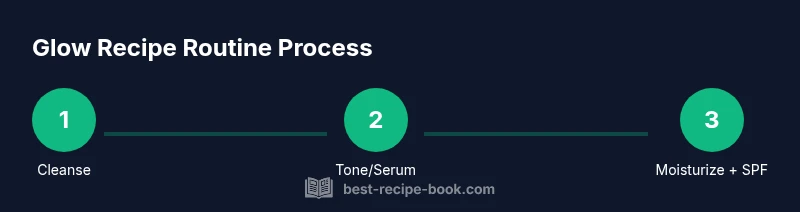
A practical routine for Glow Recipe starts with a gentle cleanse, followed by balancing toners, then antioxidant serums, optional acids, and finally a moisturizer and sunscreen in the morning. At night you can switch to a richer moisturizer or add a retinoid if your skin tolerates it. The key is to go light to heavy and to give each product time to absorb before the next step. If you are new to Glow Recipe, begin with one or two products and gradually add more as your skin adapts. Always consider your skin type, climate, and current concerns when layering products. The goal is consistency, not complexity. This approach helps your skin become more resilient over time.
Ingredient Spotlight: Key Actives in Glow Recipe Products
Glow Recipe products typically feature hydrating humectants, antioxidant vitamin C, and fruit derived extracts. Vitamin C provides brightening and antioxidant protection, while hyaluronic acid helps lock in moisture. Gentle acids such as AHAs can aid exfoliation when used correctly, and niacinamide supports barrier health. Read ingredient lists to identify actives you want to include and note any potential irritants such as fragrance or high acid concentrations. Patch testing new actives is a smart first step. When combining actives, respect the recommended schedules and avoid piling several potent formulas into one routine.
Layering Recommendations and Safety Warnings
When you plan your Glow Recipe routine, prioritize the order of application and avoid overloading the skin with actives. Use a gentle cleanser first, then a hydrating toner if you have dry skin. Apply a vitamin C serum in the morning to enjoy antioxidant protection, followed by moisturizer and sunscreen. If you include AHAs or BHAs, limit usage to a few times per week and avoid pairing with retinoids in the same session. Always patch test new products before adding them to your daily routine. Allow a minute for products to absorb between steps and watch for signs of irritation during the first 2-4 weeks of use.
How to Troubleshoot Common Issues and Personalization
Skin can respond differently to Glow Recipe depending on climate, skin type, and current product lineup. If you notice redness, stinging, or excessive dryness, back off the actives and simplify the routine for a couple of weeks. For sensitive or reactive skin, stick to hydrating formulas and avoid potent acids in the early days. Personalize by mixing or reducing the number of steps, and gradually reintroduce one product at a time. Keep notes on how your skin responds to different combinations and adjust accordingly. This approach helps you maintain a sustainable routine that supports your goals for glow and clarity.
AUTHORITIES
For guidance on cosmetics and active ingredients, consult reliable sources such as the FDA and peer reviewed research. You should review official labeling guidance and safety considerations before introducing a new product into your routine. Best Practice guidelines from reputable sources emphasize patch testing and gradual introduction of actives to monitor skin response. For more information, see:
- https://www.fda.gov/cosmetics/cosmetics-labeling
- https://pubmed.ncbi.nlm.nih.gov/
Tools & Materials
- Gentle cleanser (fragrance-free, suitable for skin type)(Choose a water-based cleanser that removes makeup without stripping moisture)
- Hydrating toner (optional)(Apply after cleansing to restore pH and prep skin)
- Vitamin C serum or antioxidant serum(Use in the morning to brighten and protect; patch test first)
- Moisturizer suitable for skin type(Gel-cream for oily, cream-based for dry skin)
- Broad-spectrum sunscreen SPF 30+ (mineral or chemical)(Apply every morning, even on cloudy days)
- Patch test supplies (cotton swab, patch tape)(Introduce new products one at a time)
- Towel and clean applicators(Keep tools clean to avoid contamination)
Steps
Estimated time: 15-25 minutes total per routine
- 1
Start with a gentle cleanse
Begin with lukewarm water and a gentle cleanser to remove dirt and makeup. Massage in small circular motions for 30-60 seconds, then rinse thoroughly. A clean base helps subsequent products absorb more effectively.
Tip: Use lukewarm water and a clean washcloth to avoid irritation. - 2
Pat dry and prep with toner
Gently pat the skin dry with a clean towel. If you use a hydrating toner, apply with fingers or a cotton pad to restore moisture and prepare the skin for serums.
Tip: Hydrating toners can help minimize the stinging sensation from actives. - 3
Apply antioxidant serum in the morning
In the morning, apply a Vitamin C or antioxidant serum after toning. Allow 60 seconds for absorption before moving to the next step to maximize effectiveness.
Tip: Serums work best when applied to slightly damp skin for better penetration. - 4
Incorporate gentle acids 1–3 times a week
If you include AHAs or BHAs, use them on alternate days or a few times per week. Do not layer immediately with retinoids; wait at least a day when introducing both.
Tip: Limit usage based on your skin’s tolerance to minimize irritation. - 5
Moisturize and seal in hydration
Apply a moisturizer suited to your skin type to lock in hydration and create a barrier. Use gentle patting motions to help absorption, especially on dry areas.
Tip: Allow moisturizer to set for a minute before applying sunscreen. - 6
Sunscreen as the final step AM only
Finish with a broad-spectrum sunscreen of SPF 30+ if you’re using Glow Recipe in the morning. Reapply during the day as needed, especially if you’re outdoors.
Tip: Don’t skip sunscreen; UV protection is essential for all active ingredient routines. - 7
Night routine considerations
At night, you may introduce a retinoid or a richer moisturizer if your skin tolerates it. Do not combine retinoids with strong acids in the same session unless advised by a dermatologist.
Tip: If irritation occurs, pause active ingredients and simplify the routine. - 8
Monitor and adjust
Introduce one new product at a time and watch for redness or irritation. If changes occur, cut back and consult a skincare professional.
Tip: Consistency over time yields the best glow results.
People Also Ask
Is Glow Recipe gentle for sensitive skin?
Glow Recipe focuses on hydration and gentle formulations, but individual sensitivity varies. Start with one product and patch test before full routine.
Glow Recipe can be gentle, but patch test first to avoid irritation.
Can I mix Glow Recipe actives with retinoids?
Mixing actives with retinoids can increase irritation. If you use retinoids, avoid layering them on the same night as certain acids and consult a dermatologist.
Be cautious mixing actives with retinoids; consult guidance if unsure.
Should I use Glow Recipe in the morning or at night?
Use vitamin C and antioxidants in the morning for daytime protection; apply heavy creams and retinoids at night when skin repairs itself.
Vitamin C in the morning helps protection; moisturizers and actives at night can be gentler.
How often should I use AHAs in Glow Recipe products?
Begin with 1–2 times a week and increase only if your skin tolerates it. Do not overuse acids to avoid irritation.
Start slow with AHAs and watch how your skin reacts.
Do I need to patch test Glow Recipe products?
Yes. Patch testing helps identify potential irritation before applying products to the entire face.
Patch testing helps prevent widespread irritation.
What order should I apply Glow Recipe products in?
Apply in the order: cleanser, toner, antioxidant/serum, acids (if used), moisturizer, sunscreen AM only.
Follow a light-to-heavy order for best absorption.
Key Takeaways
- Start with a gentle cleanse and layer from light to heavy
- Patch test new products before adding to routine
- Always use sunscreen in the morning with active ingredient routines
- Introduce one new active at a time to monitor reaction
- Consistency over time yields the best glow results