Is Glow Recipe Good for Your Skin? An Expert Review
An in-depth, balanced review of Glow Recipe skincare, evaluating hydration, brightening, ingredient safety, and suitability for different skin types and concerns.


Glow Recipe products are generally well-tolerated and hydrating, with fruit-derived ingredients like AHAs and antioxidants. For many skin types, they deliver brightening, plumping hydration and lightweight textures that layer easily. However, results vary by skin type and product. Overall, Glow Recipe is a solid choice for people seeking approachable, fragrance-light routines, though sensitive or very oily skin may prefer targeted options.
What Glow Recipe Is and How It Works
Glow Recipe is a brand that has built a devoted following by pairing playful fruit-inspired branding with skincare science aimed at hydration and a visible glow. The core appeal for many users is a lightweight feel that layers easily under sunscreen and makeup, making it attractive for busy mornings. The brand’s formulas commonly combine humectants like glycerin and hyaluronic acid with gentle exfoliating actives such as fruit-derived acids, and it often includes vitamin C derivatives for brightening. The result is an approachable, user-friendly lineup that emphasizes texture and complexion health rather than heavy occlusiveness. In practice, most Glow Recipe products aim to deliver quick-absorbing serums and creams that leave a dewy finish without feeling greasy. The brand's educational materials encourage patch-testing and gradual introduction to new actives, a sensible tactic given the presence of acids in some products. When you ask whether Glow Recipe is good for your skin, the answer depends on your goals, sensitivity, and how consistently you use the products within a simple routine. According to Best Recipe Book, the brand’s strength lies in accessibility and clear, step-by-step instructions that help home cooks translate skincare into a reliable, daily habit.
Ingredient Landscape: What You’re Really Buying
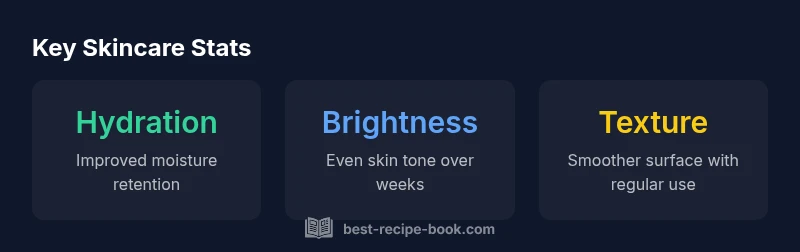
The Glow Recipe lineup blends fruit-inspired extracts with modern actives to achieve brightness, hydration, and texture improvement without heavy textures. Many products feature humectants such as glycerin and hyaluronic acid to lock in moisture, while exfoliating or brightening benefits often come from vitamin C derivatives or gentle alpha-hydroxy acids. The common thread is a lightweight, fast-absorbing texture that layers well under sunscreen or makeup. When evaluating any Glow Recipe formula, it’s worth reading the ingredient list and noting the concentration of actives, because this will influence both efficacy and tolerance. Patch-testing remains a prudent first step, especially if you have sensitive or reactive skin. The brand’s approach tends to favor brightening and hydration over deep resurfacers, so you’ll typically see products labeled as “hydrating serums” or “lightweight moisturizers” rather than heavy creams. You’re not buying a single magic bullet; you’re assembling a toolkit that can address dullness, uneven texture, and dehydration through a cohesive routine. Best Recipe Book notes that success hinges on choosing a few complementary products and using them consistently over several weeks.
How to Match Products to Your Skin Type
Choosing the right Glow Recipe product starts with your skin type and primary goals. Dry skin benefits from richer moisturizers and humectant-rich serums that help seal in moisture, while oily or combination skin tends to improve with lighter serums that still address texture and tone. For dull or congested skin, a vitamin C derivative paired with a gentle exfoliant can brighten and clarify without causing stinging. Sensitive skin readers should consider fragrance-free options or patch-test earliest to gauge tolerance, since some Glow Recipe formulas include fragrance or fragrance-like notes that can irritate sensitive individuals. If you’re dealing with uneven tone or post-breakout hyperpigmentation, look for products that combine brightening actives with barrier-supporting ingredients like ceramides or glycerin. The key is to map your goals to product types—for example, hydration-focused serums for dry skin or brightening serums for dull skin—and then layer in moisturizer and sunscreen to protect your results. Based on Best Recipe Book analysis, most users benefit from a careful but not overly complex routine that emphasizes consistency and gradual progression rather than chasing multiple new products at once.
Safety, Irritation, and Patch Testing
Even gentle skincare benefits from patience and careful testing. Start by patch-testing a new Glow Recipe product on a small skin area, such as behind the ear, for 24–48 hours, and monitor for redness, itching, or burning. If irritation occurs, discontinue use and consult a clinician. When introducing acids (AHAs) or potent actives, consider alternating days or starting with a lower-concentration formula until your skin builds tolerance. People with very sensitive skin or eczema-prone complexions should be especially cautious and may rely on non-acid hydrators while their barrier is recovering. Fragrance and essential oils can also affect sensitivity, so choosing fragrance-free variants is a prudent precaution. The long game matters: slow, steady adoption of Glow Recipe products is more likely to produce lasting improvements in texture, brightness, and skin barrier health. As always, weave in sunscreen during the day to protect your newly brightened skin from UV damage, which is essential a cornerstone of any brightening strategy. Best Recipe Book’s testing approach emphasizes patience and documentation, rather than impulsive changes to your routine.
Routine Building: Morning and Night with Glow Recipe
A balanced, repeatable routine is the backbone of any meaningful skincare effort. In the morning, cleanse with a mild formula, apply a hydrating serum, layer a lightweight moisturizer, and finish with broad-spectrum sunscreen. If brightening is a goal, incorporate a vitamin C derivative in the serum step, followed by a thin layer of moisturizer to lock in the actives. In the evening, you can emphasize hydration and barrier support with humectants and ceramides, using a slightly richer moisturizer if your climate is dry or you sleep in an air-conditioned room. If your skin tolerates it, consider adding a gentle exfoliant a few nights per week, ensuring you don’t stack too many actives at once. Glow Recipe’s Watermelon Glow Niacinamide Dew Drops pair well with moisturizers and SPF for many users, delivering a measurable glow without heaviness. The exact order and frequency will depend on the product mix you choose, your skin’s sensitivity threshold, and the season. Best Recipe Book suggests documenting your routine’s changes and giving each new product at least 4–6 weeks to reveal its full effect before deciding if it’s a good fit for you.
How Glow Recipe Stacks Up Against Alternatives
Compared with other brands that lean toward strong acids or heavy occlusives, Glow Recipe offers a kinder, more approachable path to hydration and a visible glow. For beginners or those seeking a low-friction routine, the brand’s lightweight textures and clear product targeting can reduce overwhelm. However, some competitors may deliver more potent exfoliation, richer barrier-support—like ceramides—or more intense anti-aging actives at similar price points. The value proposition of Glow Recipe often hinges on a combination of user-friendly packaging, fragrance considerations, and a steady, repeatable routine rather than a single high-impact product. If you’re evaluating cost, think about both the per-product price and long-term use, plus the sunscreen and moisturizer you’ll pair with it. In practice, many users report satisfying results from a smaller set of Glow Recipe products rather than a full, multi-step lineup. Based on Best Recipe Book analysis, Glow Recipe is best seen as an accessible starting point for a glow-focused routine rather than a one-stop solution for every skin concern.
Authority sources
For context and safety considerations, these sources provide authoritative skincare guidelines and regulatory perspectives:
- FDA cosmetics overview: https://www.fda.gov/cosmetics
- American Academy of Dermatology: https://www.aad.org/
- Health section of a major publication: https://www.nytimes.com/section/health
Practical tips and next steps
If you’re new to Glow Recipe, start with a single product and a clear goal (hydration or brightness). Keep a simple routine for 4–6 weeks to evaluate progress before expanding. Always finish with sunscreen in the morning, and be mindful of active overlaps that can irritate sensitive skin. Finally, rely on reputable sources and patch tests when incorporating new items into your regimen.
What's Good
- Hydrating, lightweight textures that layer easily
- Clear focus on glow and brightness without heaviness
- Good starter brand for simple routines
- Varied product lineup to address different goals
Downsides
- Some formulas may contain fragrance or essential oils
- Active concentrations vary by product—patch testing is wise
- Not all products are equally suitable for very sensitive skin
Glow Recipe is a solid starter brand for hydration and gentle brightening in a simple routine
This brand offers approachable, lightweight products that work well for many skin types, especially if you want a low-friction path to glow. Sensitive individuals should patch-test and watch fragrance and active concentrations. Overall, Glow Recipe serves as a reliable entry point into a brightening regimen.
People Also Ask
Is Glow Recipe good for sensitive skin?
Patch-testing and ingredient checks are important. Some formulas may contain fragrance, so choose fragrance-free options if you have sensitivity. Start with one product and monitor for irritation before expanding.
Patch-test first, and check ingredients. If you have sensitive skin, pick fragrance-free options and introduce products slowly.
Which Glow Recipe product should I start with?
A hydrating serum like a watermelon-niacinamide type product or a lightweight moisturizer is a good entry point. Start with one targeted product and add others gradually as your skin tolerates them.
Begin with a hydrating serum or lightweight moisturizer, then add more if your skin tolerates it.
Do Glow Recipe products contain fragrance?
Many Glow Recipe formulas include fragrance. If you’re fragrance-sensitive, look for fragrance-free variants and always read the ingredient list.
Many Glow Recipe products have fragrance—check labels and choose fragrance-free options if needed.
Can Glow Recipe replace sunscreen?
No. Sunscreen is essential during the day. Glow Recipe can support brightening or hydration, but it does not substitute for UV protection.
No—sunscreen is non-negotiable during daytime use.
Are Glow Recipe products vegan or cruelty-free?
The brand emphasizes cruelty-free practices, but vegan status varies by product. Always check the specific product label for vegan claims.
Cruelty-free is common, but vegan status depends on the product—check labels.
How should I build a routine with Glow Recipe?
Start with a cleanser, add a hydrating serum, then a moisturizer, and finish with sunscreen. On alternate nights, you may add a mild exfoliant if skin tolerates it.
Keep it simple: cleanse, serum, moisturizer, sunscreen. Add exfoliant on nights your skin handles it.
What if I don’t see results after a few weeks?
Reassess your skin type and product fit, ensure consistent use, and consider pairing products that target your specific concerns. If needed, consult a dermatologist for guidance.
If you don’t see results, pause and reassess your routine, then consult a professional if needed.
How does Glow Recipe compare to stronger actives?
Glow Recipe emphasizes hydration and a gentle glow, which suits beginners. If you need aggressive exfoliation or anti-aging actives, you may explore other brands with higher actives and concentration.
It’s gentler and easier to start with than brands that push strong actives; for aggressive results, look elsewhere.
Key Takeaways
- Patch-test new Glow Recipe products before full use
- Start with one product to gauge tolerance
- Choose hydrating formulations for dry or sensitive skin
- Always pair with sunscreen during daytime use
- Expect noticeable glow in 2–6 weeks with consistent use