Is It OK to Reduce Sugar in a Cake Recipe? A Practical Guide
Discover practical, safe ways to reduce sugar in cake recipes. Learn how sugar affects texture, moisture, and browning, plus substitutions and tweaks for delicious, reliable results.


Yes, you can usually cut sugar in a cake recipe, but the amount you remove depends on the batter and your flavor goals. Start with a modest reduction, typically 10–25%, then bake and compare. If the crumb becomes dry or pale, compensate with moisture boosters like yogurt, applesauce, or fruit purée, and adjust spices to maintain perceived sweetness. Monitor browning and rise, and be prepared to tweak leavening or temperature as needed.
Sugar's role in cake batters
If you ask 'is it ok to reduce sugar in cake recipe,' the answer depends on the batter and your goals. Sugar does more than sweeten: it tenderizes by competing with gluten, supports browning, and helps retain moisture. In many standard butter-based cakes, a modest reduction can be achieved without sacrificing structure, but larger cuts may yield a drier crumb and lighter color. According to Best Recipe Book, small, tested reductions preserve texture and flavor in most standard cakes. The trick is to balance sweetness with moisture and flavor boosters, then test and adjust. Keep notes on how each tweak affects crumb, texture, and crust color as you bake.
Understanding how sugar behaves in baked goods
Sugar interacts with multiple parts of a cake's chemistry. It helps tenderize by weakening gluten formation, it contributes to browning through the Maillard reaction, and it assists moisture retention by binding water. When you reduce sugar, you reduce these effects in tandem. The result can be a crumb that is denser or drier, lighter color, and a different perception of sweetness. Bread-like textures and some frostings are particularly sensitive to sugar changes. The key is to compensate with moisture, fat, or flavor boosters to maintain balance.
How much reduction is typically safe? The planning stage matters
Most standard home-baked cakes handle a modest sugar cut well. A common starting point is a 10% to 25% reduction, depending on the sweetness level of the original recipe and the cake type. If you’re working with a very sweet batter, you may push toward the lower end; if you prefer lighter sweetness, you can experiment toward the higher end with caution. For dense or high-sugar recipes (like some pound cakes), keep reductions conservative and rely more on flavor enhancers rather than large sugar drops. Always bake a test cake to compare crumb, color, and moisture against your baseline.
Substitutes and moisture boosters to preserve texture
When sugar is reduced, you often need moisture or flavor boosters to keep the cake from feeling flat. Yogurt, yogurt-based blends, applesauce, mashed banana, pumpkin purée, or even a little fruit purée can add moisture and body. Another approach is using a small amount of honey or maple syrup for sweetness with added moisture, but you must adjust liquids to keep the batter from becoming too wet. If you’re practicing with sugar substitutes, know they can alter texture and flavor; start with partial substitutions and test incrementally. For dairy-free or vegan cakes, consider coconut yogurt or almond yogurt as alternatives.
Balancing leavening and fats when you cut sugar
Sugar has complex interactions with leavening agents; reducing sugar can slow crumb structure development, especially in butter-based cakes. If you cut sugar, you may need to adjust baking powder or baking soda slightly to maintain rise and crumb openness. Fats still tenderize and moisturize, so maintain fat levels to preserve texture. In some cases, increasing a touch of vanilla or spice can compensate for perceived sweetness loss. Keep the batter consistent and test outcomes before committing to a full batch.
Practical testing: plan, bake, and compare
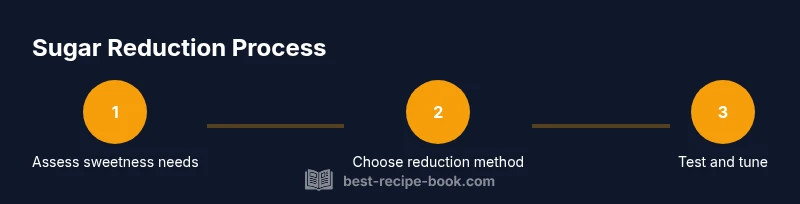
The most reliable path is a small, methodical test. Bake a mini version of the recipe with your sugar reduction and compare to the original in crumb, color, and moisture. Take notes on sweetness perception, aftertaste, and texture. If results are favorable, adjust your main batch in small increments until you reach your preferred balance. Document what worked for future reference, because every cake recipe responds a bit differently to sugar modifications.
Example adaptation: vanilla butter cake in practice
Imagine you have a classic vanilla butter cake that originally uses 200 g of sugar. You try a 15% reduction (170 g) and replace 30 g of sugar with an equal amount of yogurt and 1 tablespoon applesauce to maintain moisture. You increase milk by 1–2 tablespoons to keep batter consistency. After baking, observe crumb tenderness, browning, and taste. If the crust is too pale, consider a slightly higher oven temperature or shorter bake time. Track results so you can repeat a successful adjustment.
When reductions don’t work: knowing when to stop
Some cakes rely heavily on sugar for structure and moisture, like delicate sponge or certain frosting-based cakes. In these cases, aggressive sugar reductions can lead to a sunken center, dense crumb, or dull flavor. If you notice persistent issues after a modest reduction, it may be wiser to revert to the original sugar level or pivot to a new recipe designed for lower sugar. Accept that not every cake will tolerate large cuts.
Conclusion of this section: what to take away
Reducing sugar in cake recipes is a matter of balance and testing. Start small, use moisture boosters and flavor enhancers, and adjust leavening as needed. Keep careful notes of each trial to build a go-to approach for your favorite cakes.
Tools & Materials
- Digital kitchen scale(For precise sugar and substitution amounts)
- Mixing bowls (various sizes)(At least 2 bowls for dry/wet ingredients)
- Measuring cups and spoons(Accurate liquid and dry measures)
- Whisk and/or electric mixer(Beat air into batters and emulsify fats)
- Spatula (rubber or silicone)(Scrape bowls and mix thoroughly)
- 8-inch or 9-inch cake pans(Coat with parchment for easy release)
- Parchment paper(Prevents sticking)
- Moisture boosters (yogurt, applesauce)(Used to compensate reduced sugar moisture)
- Flavor boosters (vanilla, cinnamon, citrus zest)(Enhance perceived sweetness)
- Milk or buttermilk substitute (optional)(Adjust hydration when using substitutes)
- Note-taking tool (journal or app)(Record results for future batches)
Steps
Estimated time: 60-120 minutes
- 1
Define target sweetness
Decide how much sugar you want to cut (start with 10–15% for most recipes). Consider the final frosting and whether you want the cake to taste sweeter in the frosting or the cake itself.
Tip: Keep a clear goal in grams to ensure consistency. - 2
Choose a reduction strategy
Select a method: partial sugar replacement with a moisture booster, or straightforward sugar reduction with careful monitoring of flavor.
Tip: Avoid replacing all sugar with substitutes; test incremental changes. - 3
Prepare moisture boosters
If using yogurt or applesauce, measure carefully and reduce other liquids to keep batter consistency.
Tip: Choose boosters that complement flavor, not overpower it. - 4
Adjust dry ingredients
If you reduce sugar, you may need to balance dryness by modestly increasing fats or damp ingredients.
Tip: Keep total batter weight similar to original. - 5
Tweak liquids and fats
Slightly increase milk or add a touch of extra butter if the batter seems stiff after sugar reduction.
Tip: Add liquids gradually and check batter flow. - 6
Calibrate leavening
With less sugar, batter may rise differently. Slightly adjust baking powder/soda if needed to maintain crumb.
Tip: Make only small leavening changes at a time. - 7
Bake a test cake
Use a small pan or bake a half-batch to observe crumb, color, and moisture.
Tip: Record bake time and temperature, and compare to the control. - 8
Evaluate and refine
Assess sweetness, texture, and aroma. Decide whether to finalize, revert partly, or try another adjustment.
Tip: Taste with the frosting finalization in mind. - 9
Document the results
Note exact reductions, substitutions, and outcomes to replicate or improve the recipe later.
Tip: Create a reusable template for future bakes.
People Also Ask
Is it safe to reduce sugar in cakes?
Yes, it’s generally safe if done gradually and with careful monitoring of texture and moisture. Some recipes tolerate reductions better than others, and it’s important to compare results to your baseline.
Yes, sugar reductions are safe if you test carefully and compare to your original recipe.
Will reducing sugar affect the cake’s texture or browning?
Sugar influences moisture, tenderness, and browning. Reducing it can lead to a drier crumb and lighter color; adjustments with moisture boosters and flavor enhancers help preserve texture.
Yes—texture and browning can change, so plan adjustments accordingly.
Can I substitute sugar with honey or maple syrup in a cake?
Substitutes can work but alter moisture and sweetness perception. If used, reduce other liquids and consider flavor interactions; test in small batches first.
Substitutes can work, but test in small batches and adjust liquids.
Should I adjust bake time when reducing sugar?
Possibly. Sugar reductions can affect moisture and crust color, so check a few minutes earlier or later depending on the batter and oven.
Yes, keep an eye on bake time and color during the test bake.
What kinds of cakes tolerate sugar reductions best?
Cakes with robust moisture and fat balance, like standard butter or sponge-like cakes, tolerate small reductions better than delicate meringue-based or very lean sponges.
Robust cakes tolerate reductions better than delicate ones.
How should I document results for future bakes?
Keep a simple log of original sugar, reduced amount, substitutes used, moisture level, bake time, and final verdict on taste and texture.
Keep notes so you can repeat or improve next time.
Watch Video
Key Takeaways
- Start with a small sugar reduction (10–15%).
- Use moisture boosters to preserve texture.
- Tweak liquids, fats, and leavening as needed.
- Test with a mini bake and document results.