Mexican Casserole: A Step-by-Step Guide for Home Cooks
A practical, step-by-step guide to making a comforting Mexican casserole with tortillas, beans, cheese, and protein. Learn prep, assembly, baking, and variations for spice, dietary needs, and make-ahead meals.


Learn to make a hearty Mexican casserole with layers of tortillas, seasoned beef or chicken, beans, corn, and cheese. This quick guide covers choosing ingredients, preparing fillings, assembling the bake, baking temps, and flexible spice levels, plus kid-friendly tweaks and make-ahead options. It highlights essential tools, timing, and common pitfalls to avoid.
What is Mexican casserole?
Mexican casserole is a comforting, one-dish meal that layers tortillas, seasoned fillings, beans, corn, and cheese into a hearty bake. The dish blends traditional Mexican flavors with a convenient, home-cook friendly format. It’s designed to be adaptable—swap proteins, adjust heat, and add vegetables based on what you have on hand. The result is a savory, satisfying casserole that works for weeknight dinners, meal prep, and gatherings. In this guide we’ll walk through core ingredients, practical substitutions, and a reliable method that yields delicious results every time.
Core ingredients and substitutions
A successful Mexican casserole starts with a few dependable components: tortillas (corn or flour), protein (beef, chicken, or a plant-based option), pinto or black beans, corn, tomato or enchilada sauce, and cheese. For a lighter version, reduce cheese or use low-fat options and bulk with extra vegetables like bell peppers or zucchini. If you’re gluten-free, choose corn tortillas and verify sauces are gluten-free. For dairy-free or vegan needs, substitute dairy-free cheese and use a plant-based protein. Fresh herbs, lime juice, and a dollop of sour cream or yogurt can brighten the dish at the end. The beauty is in flexibility—adjust layers, spice, and toppings to suit your kitchen and guests.
Choosing a protein: beef, chicken, or vegetables
Beef provides a robust, classic flavor when it’s browned with onions and spices. Chicken yields a lighter, milder profile and cooks quickly. Vegetarian versions shine with sautéed mushrooms, lentils, or extra beans, ensuring protein density. If you’re short on time, use pre-cooked rotisserie chicken or canned beans for speed. For a deeper flavor, brown the protein well, then deglaze the pan with a splash of broth or tomato sauce to lift all the flavorful bits from the bottom of the pan. Whatever you choose, ensure the protein is cooked through before layering to keep the bake juicy rather than dry.
Tortilla layer techniques
Tortillas act as flavorful, flexible builders of the casserole layers. Soft, layout-friendly flour tortillas can create a smooth, stackable texture, while corn tortillas offer a more authentic bite and a sturdier texture when properly softened. Some cooks layer tortillas as full sheets; others cut tortillas into strips to cover the surface. If you’re using corn tortillas, briefly soften them in warm water or broth to prevent cracking. A thin sauce layer on the bottom helps tortillas cling without getting soggy and supports even slicing after baking.
Beans, corn, and sauces: building flavor
Beans add fiber and heft; black beans or pinto beans both work well. Rely on corn for sweetness and texture contrast. Sauces—tomato, enchilada, or green salsa—bind the filling and create a glossy bake. If you like richer flavor, simmer a simple sauce with spices (cumin, chili powder, paprika) and a pinch of garlic. Fresh salsa or pico de gallo added after baking preserves bright acidity. Balancing moisture is key: enough sauce to flavor without soaking the tortillas.
Cheese and finishing touches
Cheese anchors the casserole’s top and provides a golden, bubbly finish. Popular choices include cheddar, Monterey Jack, queso blanco, and queso fresco. A mix of cheeses offers depth: shop for shredded blends or combine two cheeses for both melt and flavor. Finishing toppings—cilantro, avocado, sour cream, lime wedges—brighten the dish at serving time. If you want extra creaminess, add a dollop of Greek yogurt or a splash of crema after baking.
Step-by-step assembly overview
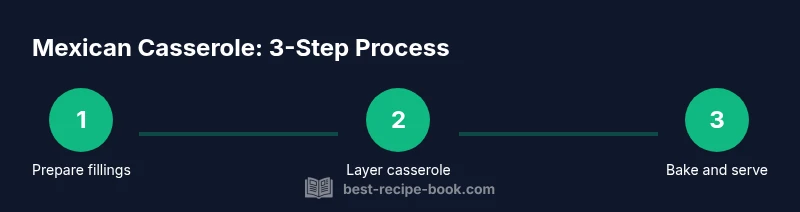
- Prepare fillings: cook meat with onions and spices, then mix in beans and corn. 2) Layer the bake: start with a light sauce at the bottom, place a tortilla layer, spread the filling, and repeat. 3) Finish with a cheese top and a final drizzle of sauce or crema before baking. The goal is even layering with adequate moisture, so each bite carries a balanced mix of tortilla, filling, and cheese. 4) Bake until edges are bubbly and the cheese is melted and lightly browned. Rest briefly before slicing to set the layers.
Freezer-friendly and make-ahead options
This casserole adapts well to make-ahead meals. Assemble the dish but hold off on baking; cover tightly and refrigerate up to 24 hours. For longer storage, freeze unbaked portions in airtight containers. When ready to bake, add 10–15 minutes to the baking time if the dish is chilled or frozen. If you’re freezing, consider freezing baked portions for quick meals later. Label with date and contents for easy rotation.
Baking guidelines and serving suggestions
Bake at a moderate oven temperature (about 350°F/175°C) until the casserole is hot throughout and the cheese is melted and lightly browned on top. Let it rest for 5–10 minutes before slicing; this helps the layers set and makes portioning easier. Serve with fresh toppings like chopped cilantro, crumbled queso fresco, and a squeeze of lime. A simple side salad or steamed vegetables complements the richness, while a dollop of sour cream or a spoon of guacamole adds brightness.
Variations for spice levels and dietary needs
To tailor heat, adjust the amount of chili powder, jalapeño, or chipotle in the sauce. For a vegetarian version, rely on extra beans, lentils, or sautéed vegetables as the primary filling and use vegetarian-friendly sauces. Gluten-free versions can be achieved with corn tortillas and certified gluten-free sauces. For dairy-free diners, substitute with dairy-free cheese and a plant-based crema. Experiment with different peppers (bell, poblano, or anaheim) to vary sweetness and heat.
Troubleshooting common issues
If the casserole seems soupy, reduce the amount of sauce or increase the layer of tortillas to absorb moisture. If the top browns too quickly, tent with foil during the middle of baking. Soggy layers usually come from overly wet fillings or tortillas that did not soften properly; pre-softening tortillas or draining watery ingredients helps. If the edges burn, lower the rack or shorten bake time slightly and check with a thermometer or a skewer to confirm doneness.
Quick win tips and kitchen toolkit
Pro-tip: prepare your mise en place before you start—dice onions, mince garlic, grate cheese, and rinse beans. Use a 9x13 inch baking dish for an even thickness. Keep a timer handy so you don’t overbake. A kitchen thermometer helps ensure fillings reach a safe temperature. Stock a few common pantry sauces so you can adapt on the fly without a special trip to the store.
Tools & Materials
- 9x13 inch baking dish(Greased or nonstick)
- 12-inch skillet(Cast-iron or nonstick works well)
- Mixing bowls(For fillings and sauces)
- Measuring cups and spoons(Accurate measurements aid consistency)
- Sharp knife and cutting board(For prepping toppings and fillings)
- Spatula and wooden spoon(For stirring and layering)
- Aluminum foil(To cover during baking if needed)
- Oven thermometer (optional)(Ensures accurate baking temperature)
Steps
Estimated time: 75-90 minutes
- 1
Prepare fillings
Dice vegetables, rinse beans, and season your chosen protein. Cook the protein with onions, garlic, and spices until browned and flavors are developed. This builds a flavorful base for the casserole.
Tip: Brown the protein well; the fond left in the pan concentrates flavor. - 2
Cook protein
If using beef or chicken, cook until fully cooked and let it rest briefly. Drain excess fat if necessary. This step prevents a greasy bake and improves texture.
Tip: Season during the browning step for deeper flavor. - 3
Mix beans, corn, and sauce
Stir beans and corn into a simple sauce or salsa base. Taste and adjust salt, heat, and acidity. This mixture will be integrated into the layers for moisture and flavor balance.
Tip: Taste the sauce before layering to avoid under-seasoning. - 4
Prepare tortillas and assemble base layer
Warm tortillas briefly to improve pliability. Place a light sauce at the bottom of the dish to prevent sticking, then lay a tortilla layer to form the base.
Tip: A thin sauce layer helps tortillas absorb moisture evenly. - 5
Add fillings and middle layer
Spread a portion of the protein-bean mixture over the tortilla layer, then add a sprinkle of cheese. Repeat layering until the dish is full, finishing with a cheese layer on top.
Tip: Keep layers even to ensure consistent slices. - 6
Top with cheese and bake
Cover the dish with shredded cheese and bake until bubbling and cheese is melted. If desired, uncover for the last 5–10 minutes to brown the top.
Tip: Watch closely toward the end to prevent burning. - 7
Rest and serve
Allow the casserole to rest 5–10 minutes after baking to set the slices. This makes portioning cleaner and preserves layered textures.
Tip: Rest time is essential for clean cuts and even portions. - 8
Make-ahead and storage
If making ahead, refrigerate unbaked layers and assemble just before baking. For freezing, freeze unbaked portions in airtight containers and bake from frozen when ready to eat.
Tip: Label portions with date so you rotate storage efficiently.
People Also Ask
Can I make this ahead and refrigerate?
Yes, you can assemble the casserole and refrigerate it up to 24 hours before baking. If it’s cold, plan to bake a bit longer to ensure the center is heated through. Bring to room temperature for 15-20 minutes before placing in the oven.
Yes, you can assemble and chill it up to a day ahead; bake when ready.
What cheeses pair best with Mexican casserole?
A combination of cheddar, Monterey Jack, and a softer cheese like queso fresco or panela provides good melt and flavor. For a milder profile, use more Jack mix with a touch of queso fresco on top.
Cheddar and Monterey Jack mix well; adding queso fresco gives authentic brightness.
Is this gluten-free?
It can be gluten-free if you use certified gluten-free corn tortillas and check that your sauces don’t contain gluten. Avoid thickening agents with gluten and read labels carefully.
Yes, it can be gluten-free with careful tortilla and sauce choices.
Can I use flour tortillas instead of corn?
Flour tortillas work and will yield a softer, milder bite. Corn tortillas feel closer to traditional Mexican flavors. If using flour tortillas, you may want to reduce moisture slightly to avoid sogginess.
Flour tortillas are fine, just expect a different texture and adjust moisture.
How do I prevent soggy layers?
Drain watery ingredients well and avoid over-soaking tortillas. Layer with a small amount of sauce, then fillings, to maintain separation and moisture balance.
Soggy layers come from too much moisture—drain and keep layers balanced.
Can I freeze leftovers?
Yes, freeze individual portions or the whole casserole before baking. Wrap well and label. Reheat covered in the oven until hot through, or thaw overnight before reheating.
Yes, you can freeze and reheat portions later.
Watch Video
Key Takeaways
- Layer tortillas and fillings evenly for balanced slices
- Brown protein well to deepen flavor
- Adjust spice to dietary needs and taste
- Make-ahead and freezer options save time
- Rest before slicing to keep layers intact