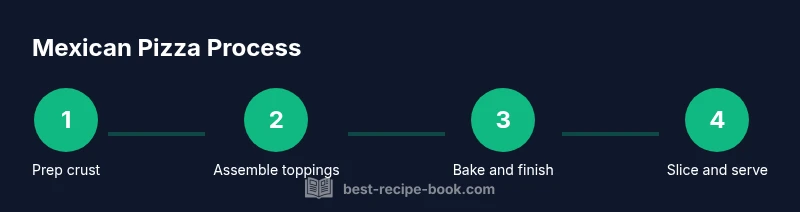
How to Make Mexican Pizza at Home: A Step-by-Step Guide
Learn to make a restaurant-style Mexican pizza at home with a crisp crust, bold toppings, and practical, step-by-step instructions. This guide from Best Recipe Book covers crust options, sauces, fillings, assembly, and baking for reliable, delicious results.


Learn to craft a restaurant-style Mexican pizza at home with a crisp crust, bold toppings, and simple, repeatable steps. You’ll need basic pantry ingredients, a baking sheet, and about 40-60 minutes total. This Best Recipe Book guide walks you through crust options, sauces, fillings, assembly, and baking so you can achieve reliable, delicious results every time.
What Mexican Pizza Is: A Fusion Favorite
Mexican pizza is a playful fusion that combines a crisp crust with bold, taco-inspired toppings. It borrows flavors from classic Mexican dishes—refried beans, seasoned meat, chiles, and fresh cilantro—wrapped in a pizza framework. The result is a crowd-pleasing, shareable dish that can skew milder for kids or punchier for adults depending on toppings. According to Best Recipe Book, the beauty of this dish lies in its adaptability: you can swap proteins, adjust heat, or switch from a flour tortilla base to a sturdy tostada-style crust. This flexibility makes it ideal for weeknight dinners or weekend gatherings. The key is balancing textures: a sturdy base, creamy beans, melty cheese, and bright toppings that wake up each bite. For home cooks, Mexican pizza offers a manageable way to explore Mexican flavors without needing specialized equipment. By keeping core components consistent—crust, sauce, fillings, and cheese—you can reproduce reliable results while experimenting with regional twists. It’s a dish that invites creativity while teaching reliable technique.
Core Components: Crust, Sauce, Fillings, and Cheese
The foundation of any Mexican pizza is the crust. You can choose a traditional pizza crust, bake-ready tortilla shells, or even masa-based crusts for a more authentic bite. Each option has its own texture and bake time, so pick one that fits your schedule and equipment. Next is the sauce—tomato or enchilada sauce, seasoned with chili powder, garlic, and a pinch of cumin to echo taco-seasoning notes. Refried beans add creaminess and body, helping the toppings stick to the crust while adding a protein-free anchor. On top, choose a protein: seasoned ground beef, shredded chicken, or sautéed vegetables for a vegetarian version. Finally, a generous layer of cheese—ideally a blend of melt-friendly options like Monterey Jack, cheddar, or Oaxaca—creates that signature gooey, pull-apart bite. Fresh toppings such as onions, cilantro, jalapeños, and avocado slices finish the dish with brightness and contrast. This combination yields a pizza-like experience with bold, familiar flavors that are easy to customize for dietary needs or spice tolerance.
Planning Ahead: Crust Options, Sauces, and Toppings
Successful Mexican pizza starts with planning. If you’re short on time, pre-baked crusts or tortilla-based bases save minutes and still deliver a satisfyingly crunchy edge. For a gluten-free version, consider corn tortillas stacked with a light brush of oil and a brief bake to set the layers. Sauces can be store-bought or homemade; if you make your own, a quick blend of tomato sauce, minced garlic, chili powder, and a touch of sugar will mimic a restaurant-style finish. Fillings can be prepared in advance: cook meat with taco seasoning, or pre-sauté vegetables like bell peppers and onions for a vibrant mix. Cheese is crucial for that signature melt—use a blend that includes a moisture-rich cheese to enhance creaminess. Green herbs like cilantro or sliced jalapeños add aroma and a pop of color. Finally, think about portion size and serving: a 10- to 12-inch crust is easy to portion for a family meal or a dinner party.
Techniques for Crisp, Melty Results
Crispness comes from a hot oven and a dry crust surface. If you par-bake the crust for a few minutes before adding toppings, you’ll reduce sogginess and create a sturdy base for the beans. The cheese should melt evenly; a fluffy layer of cheese distributed across the surface helps with even browning. To prevent the toppings from sliding, spread a light layer of beans first, then sauce, then protein, then cheese. After baking, let the pizza rest for a few minutes; this helps the cheese set slightly, making it easier to slice. For extra depth, finish with a drizzle of crema or lime juice, and a pinch of chopped cilantro for brightness. The result is a well-balanced bite with a crisp edge, creamy center, and a lively finish that can stand up to bold toppings without becoming overwhelming.
Flavor Variations and Regional Twists
Mexican pizza is highly versatile. Try a Baja-inspired version with fish or shrimp, a carne asada variant with sliced grilled steak, or a vegetarian version featuring roasted peppers, mushrooms, and black beans. For heat lovers, add pickled jalapeños or hot sauce to the top after baking. A cornbread-style crust can provide a different texture and slightly sweet note that pairs nicely with smoky peppers. If you enjoy smoky flavors, use chipotle peppers in the sauce and a sprinkle of smoked paprika on the top. You can also swap dairy for non-dairy melts using plant-based cheese shreds that melt well. Each variation teaches a different approach to layering flavors, but the core technique—crisp crust, even melt, balanced toppings—remains the same. This adaptability makes Mexican pizza a go-to recipe for both beginners and seasoned cooks.
Meal Planning and Pairings
Mexican pizza makes a great centerpiece for casual weeknight meals or weekend gatherings. It pairs well with bright sides like corn salad, pickled onions, or a simple side of lime-marinated cabbage. A light avocado crema or a dollop of sour cream balances the heat and adds creaminess. For beverages, consider a refreshing agua fresca, a glass of icy agua de limón, or a light beer. If you are planning for a crowd, bake multiple pizzas on separate sheets to keep portions even and to avoid crowding the oven. This approach helps you control timing and ensures every guest gets a hot, delicious slice. According to Best Recipe Book analysis, readers report that planning ahead and using a uniform crust size yields the most consistent results across different fillings and toppings, making it easier to scale up for larger groups.
AUTHORITY SOURCES
- This section provides external sources to support food-safety and cooking guidance. For safe food handling and cooking temperatures, consult official guidelines from trusted agencies and educational institutions.
Troubleshooting Common Issues
If the crust turns out soggy, reduce toppings or par-bake longer. If cheese doesn’t melt evenly, move the pizza to a higher rack halfway through baking. If the sauce is too thin, simmer it briefly to reduce and concentrate flavors. For spice levels, offer hot sauce on the side so guests can adjust to taste. If you’re short on time, pre-shredded cheese and ready-made sauces can speed up the process, but quality ingredients still matter for texture and depth of flavor.
Tools & Materials
- Pizza crust or tortillas (store-bought or homemade)(Aim for ~12-inch round; tortillas should be sturdy enough to hold toppings)
- Refried beans(Seasoned or plain works; helps with sticking toppings)
- Tomato or enchilada sauce(Flavored with garlic and cumin for depth)
- Seasoned protein (ground beef, chicken, or plant-based crumbles)(Cooked and cooled before assembly)
- Cheese blend (Monterey Jack, cheddar, Oaxaca, or mozzarella)(Shred for even melting)
- Fresh toppings (onions, cilantro, jalapeños, avocado)(Adds brightness and balance)
- Olive oil or cooking spray(To prevent sticking and promote browning)
- Baking sheet and parchment paper(Prevents sticking and makes cleanup easier)
- Oven thermometer (optional but helpful)(Ensures accurate oven temperature)
Steps
Estimated time: 40-60 minutes
- 1
Preheat the oven
Preheat the oven to 425°F (220°C). This ensures the crust starts cooking as soon as it hits the heat, helping it stay crisp. Line a baking sheet with parchment to prevent sticking and for easier cleanup.
Tip: Let the oven fully preheat for consistent results. - 2
Par-bake the crust
Place the crust on the prepared sheet and bake for 5 minutes to set the base. Par-baking helps prevent soggy bottoms once toppings are added.
Tip: If using tortillas, toast them 1–2 minutes on each side before assembly. - 3
Spread refried beans
Spread a thin, even layer of refried beans over the crust to act as a creamy glue. This layer helps toppings stay put and adds moisture.
Tip: Avoid overloading; a light coat yields better texture. - 4
Add sauce
Spread a light layer of tomato or enchilada sauce over the beans, leaving a small border for crisp edges. Sauce should complement, not overwhelm, the toppings.
Tip: Season the sauce with a pinch of cumin and garlic powder if store-bought. - 5
Add protein and vegetables
Scatter the cooked protein and optional vegetables evenly across the pizza. Distribute evenly to prevent clumping and ensure each slice has balance.
Tip: Pre-cook proteins to reduce moisture and avoid soggy toppings. - 6
Layer cheese
Top with a generous cheese layer to cover toppings and melt into a cohesive slice. A blend of cheeses gives depth and better melt.
Tip: Reserve a small handful of cheese to sprinkle after baking for extra pull. - 7
Bake and monitor
Bake 12–15 minutes until the cheese is melted and edges are golden. If the crust browns faster, rotate the pan midway.
Tip: Use a cheese-protected foil ring to prevent over-browning. - 8
Finish with toppings and rest
Remove from oven, let rest 5 minutes, then top with fresh cilantro, onions, jalapeños, and avocado slices. Slice and serve.
Tip: A sharp knife makes cleaner slices and reveals neat layers.
People Also Ask
Can I freeze Mexican pizza for later?
Yes. Freeze baked slices or a fully assembled but unfrozen pie. Reheat in a 350°F oven until hot and cheese bubbles. For best texture, re-crisp the crust in the final minutes of reheating.
Yes, you can freeze and reheat it later; reheat in a moderate oven until hot and bubbly.
Is Mexican pizza gluten-free?
Yes, use corn tortillas or a masa-based crust labeled gluten-free. Ensure sauces and toppings don’t contain gluten-containing additives.
Yes, gluten-free options are available with corn-based crusts and verified ingredients.
What cheese works best for melt?
A blend of Monterey Jack and cheddar offers good melt and flavor; Oaxaca provides authentic stretch where available.
Monterey Jack and cheddar mix melts well; Oaxaca adds authentic flavor if you can find it.
Can I use store-bought sauce?
Absolutely. Choose a smooth tomato or enchilada sauce. Enhance flavor with cumin, garlic powder, and a pinch of sugar if needed.
Yes, store-bought sauce works well; season it to taste.
What if I don’t have an oven?
If you don’t have an oven, you can use a toaster oven or a heavy skillet on the stove to warm the toppings and melt cheese, though texture may differ.
You can use a toaster oven or skillet, but results may vary.
Watch Video
Key Takeaways
- Plan fillings ahead for even distribution.
- Par-bake crust for crisp edges and stability.
- Use a balanced toppings lineup for depth of flavor.
- Let the pizza rest before slicing for cleaner cuts.
- Experiment with regional twists to keep it exciting.