Party Food Mastery: A Practical How-To for Crowd-Friendly Menus
Learn to plan, prepare, and serve crowd-pleasing party food with practical steps for menu design, shopping, prep, and safe serving at gatherings.


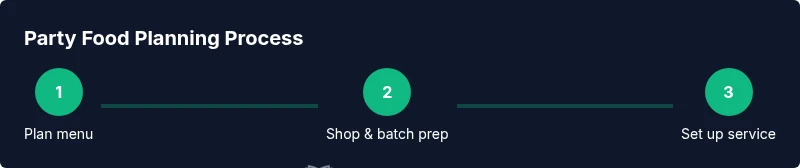
Get ready to plan and execute party food that satisfies a crowd. This guide shows you how to design a balanced menu, estimate portions, and assemble a make-ahead prep plan. You’ll learn practical shopping lists, simple staging ideas, and safety tips to keep food fresh and appealing from hors d'oeuvres to desserts. By the end, you'll host with confidence.
What is party food and why planning matters
Party food is more than snacks; it's a social tool that helps guests connect, mingle, and enjoy the occasion. The goal is to offer bite-sized, shareable options that suit a range of tastes, textures, and dietary needs. Thoughtful planning ensures a balanced spread, timely service, and minimal waste. According to Best Recipe Book, successful party food starts with a clear guest list, an understanding of restrictions, and a practical shopping plan. When you begin with these basics, you create a foundation for a memorable buffet that keeps energy high from the moment guests arrive to the last bite of dessert. In this guide, you’ll learn how to translate those principles into a real-world menu that fits your space and your budget.
How to design a crowd-pleasing menu
A crowd-pleasing menu balances variety, simplicity, and feasibility. Start by outlining four considerations: dietary needs, time-to-serve, transportability, and reheatability. Then select a mix of hot and cold items, a few vegetarian or vegan options, and at least one option free from common allergens. Keep portions modest to encourage tasting rather than heavy plates. The goal is a menu that travels well, can be replenished easily, and feels cohesive in color and flavor. Best Recipe Book analysis shows that hosts who choose a tight core of core dishes plus a couple of flexible add-ons tend to deliver a smoother service and happier guests.
Core categories: bites, mains, desserts, beverages
Structure your spread around four categories: bites (mini skewers, tartlets), mains or toppings (sliders, stuffed mushrooms), desserts (cupcake bites, fruit skewers), and beverages (sparkling options, non-alcoholic punch). Within each category, include at least one make-ahead option and one quick-to-assemble item. Keep allergen labeling handy and offer at least one vegetarian option per category. A well-rounded strategy uses contrasts—salty with tangy, creamy with bright acidity—to keep guests engaged and coming back for more.
Budgeting and shopping for party food
Begin with a realistic budget that accounts for food, beverages, and basic supplies. List every item, then group by perishability and by store section to streamline shopping. Prioritize ingredients that can serve multiple dishes, reducing waste and storage needs. Create a simple, printable shopping list organized by aisle: produce, dairy, pantry, and beverages. Always check your pantry first to avoid duplicates. Best Recipe Book analysis shows that planning around a core set of ingredients saves time and reduces last‑minute stress during prep.
Prep timeline and make-ahead strategies
Divide tasks into make-ahead and day-of actions. A day before the event, prep dips, sauces, and components that reheat well. Chill or marinate items that improve with time, and portion sauces for quick finishing. On event day, complete hot items closer to serving time, refresh garnishes, and recheck serving stations. Use labeled containers with dates to prevent mix-ups and keep foods safe. This systematic approach minimizes chaos and allows you to enjoy the party alongside your guests.
Presentation, serving, and ambiance
Presentation matters as much as flavor. Use a mix of heights—pedestal platters, trays of different sizes—and color-coordinated linens to create visual appeal. Add clear allergen labels or color-coded cards near each dish and provide utensils that match the item type. Set up a dedicated self-serve area for drinks, plates, and cutlery to reduce crowding. Quick decorative touches—fresh herbs, citrus wedges, or edible flowers—refresh the look without adding workload.
Accommodating dietary needs and allergies
Include at least one plant-based option and at least one gluten-free option, and label ingredients clearly. If possible, prepare separate serving areas to minimize cross-contamination and share a simple ingredient list with guests. Encourage questions and provide a quick reference card listing common allergens. This approach helps ensure everyone can enjoy the party food without sacrificing flavor or safety.
Food safety and hygiene at gatherings
Food safety should guide every decision. Keep hot foods hot and cold foods cold using appropriate equipment, and refrigerate perishables promptly. Do not leave perishable items out at room temperature for extended periods, and discard anything that has been sitting out too long. Use clean utensils for each dish, wash surfaces regularly, and maintain good personal hygiene in the kitchen. By prioritizing hygiene, your party can stay healthy and enjoyable for all guests.
Tools & Materials
- Serving platters and bowls(Assorted sizes for variety and easy portioning)
- Chafing dishes or slow cookers(Optional for hot items during service)
- Ice and coolers(Keep drinks and cold items at safe temperatures)
- Labels or tent cards(Allergen and dish identification)
- Tongs, spoons, and serving forks(Multiple sets to avoid cross-contact)
- Food storage containers with lids(Make-ahead prep and stacking)
- Aluminum foil, parchment, or plastic wrap(Wrapping and storage as needed)
- Thermometer(Optional for checking internal temps)
- Dish towels and sanitizer(Maintain cleanliness and organization)
Steps
Estimated time: 4-6 hours
- 1
Define guest count & dietary needs
Estimate how many guests will attend and identify any dietary restrictions or allergies. Collect preferences through a quick survey or host input. Use this data to constrain menu options and portion planning.
Tip: Send a short guest questionnaire 1-2 weeks before the event. - 2
Design the menu with balance
Draft a menu that combines hot and cold items, vegetarian choices, and allergen-aware options. Ensure items are feasible for make-ahead prep and easy serving. Create a cohesive color and flavor story across courses.
Tip: Limit the number of distinct items to maintain quality and reduce waste. - 3
Create a shopping & prep plan
Organize ingredients by store section and by perishability. Build a master prep list with batch tasks and a simple timeline. Prepare a printable plan for quick reference on the day before.
Tip: Group items that share prep steps to save time. - 4
Batch-prep and finalize on day-of
Complete make-ahead components first, then finalize hot items closer to serving. Use labeled containers and dated notes to keep track of what to refresh.
Tip: Have a backup option in case a dish doesn’t turn out as expected. - 5
Set up serving stations & signage
Arrange a logical flow: drinks, plates, utensils, then food. Position high-traffic items centrally and label allergens clearly.
Tip: Place serving utensils next to each dish to streamline self-service. - 6
Manage day-of service & safety
During the event, monitor temperatures, replenish as needed, and maintain clean surfaces. Communicate any changes to guests politely and promptly.
Tip: Assign a helper to handle restocking so you can mingle.
People Also Ask
How do I estimate the number of servings for party food?
Start with the guest count and plan portions that allow for seconds. Include a small margin for unexpected guests or larger appetites. Use a simple serving plan for each dish to maintain consistency.
Estimate servings by counting guests, plan for seconds, and add a small margin for surprises.
What are good make-ahead party foods?
Choose items that reheat well or can be served at room temperature without losing appeal. Dips, sauces, baked bites, and marinated vegetables are reliable options.
Pick items you can prep ahead and reheat or serve cold without losing quality.
How should I label dishes for allergies?
Label dishes with common allergens and keep ingredients lists accessible. Consider separate serving areas to reduce risk of cross-contamination.
Label allergens clearly so guests can choose safely.
Can I accommodate kids and adults with the same menu?
Yes, blend kid-friendly favorites with simple grown-up options. Include some mild items and a couple of flavor-packed choices.
Yes—include kid-friendly options alongside adult flavors.
What if a dish runs out during the event?
Have a quick backup item or plan to replenish from the kitchen. Keep a few extra portions ready to plate.
Keep a backup dish and replenish as needed.
Watch Video
Key Takeaways
- Plan around guest needs and dietary restrictions.
- Design a balanced menu with make-ahead options.
- Label foods clearly for allergen safety and easy serving.
- Batch prep and organized stations reduce stress on event day.