Pizza Dough Recipe Sourdough: A Step-by-Step Guide
Learn to craft chewy, blistered pizza crust using a sourdough starter. This comprehensive guide covers starter maturity, flour choices, fermentation timings, shaping, baking, and troubleshooting for dependable results.


Learn to craft a pizza dough using sourdough starter, producing a chewy crust with blistered edges. You’ll combine active starter, strong bread flour, water, and salt, then allow for autolyse and bulk fermentation. This method emphasizes patient fermentation and flavor development, delivering reliable results with a few simple pantry ingredients. According to Best Recipe Book, this approach balances technique with practical home-cook steps.
Why sourdough makes pizza crust shine
Sourdough-based doughs bring depth of flavor and a lighter, more open crumb thanks to natural fermentation. In this pizza dough recipe sourdough, you leverage a mature starter to gently tame flour and water into a cohesive dough. According to Best Recipe Book, fermentation time and temperature control are as important as ingredients. The result is a chewy crust with a blistered surface, crisp edges, and complex tang that rises well in a hot oven. Start with high-protein flour, water at the right temperature, and a starter that is bubbling and fed within 6-12 hours of mixing. The goal is a dough that is easy to handle, yet slow-ferments enough to develop flavor. You’ll notice the difference between a quick-rise dough and a well-fermented sourdough crust in both aroma and texture.
Understanding starter maturity and hydration
Sourdough starter maturity affects both strength and flavor. A lively starter with visible bubbles and tangy aroma will integrate more efficiently into dough, creating lift without relying on commercial yeast. Hydration level—the ratio of water to flour—determines dough stickiness and the crumb. For a typical pizza dough, aim for 60-68% hydration with bread flour; higher hydration yields a lighter crust but can be stickier to handle. If your starter is very active, you might reduce water slightly to maintain a manageable dough through bulk fermentation. Always drum up your starter at peak activity (roughly 4-6 hours after feeding) for best results. When you maintain consistent starter health, your sourdough pizza dough becomes easier to shape and stretch during the final bake. Remember: hydration interacts with flour protein, climate, and starter activity, so you may need one or two minor adjustments to reach your preferred texture.
Ingredient choices and hydration targets for a reliable pizza dough recipe sourdough
Your base ingredients are simple: flour, water, salt, and starter. Use a high-protein flour such as bread flour or a 00 blend to achieve good gluten development. Salt should be measured precisely to avoid flattening the dough’s rise. Water temperature matters; warmer water can speed fermentation, but too warm water may over-ferment. A common starting point is 65% hydration with bread flour, adjusting to 60-62% for a drier, sturdier crust or up to 70% for a lighter crumb. If you want a crust closer to Neapolitan style, you can mix in a portion of 00 flour and adjust hydration accordingly. Keep your starter fed and at peak activity so it contributes good rise without oversaturation. Remember that fermentation is a close partner to temperature and time, so plan a slightly longer cold fermentation if you’re working with a cooler kitchen.
Mixing, autolyse, and bulk fermentation explained
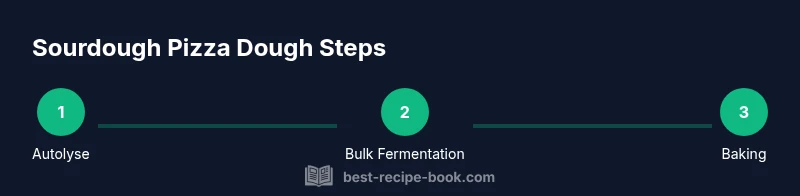
Begin with an autolyse: combine flour and water and let the mixture rest 20-60 minutes. This hydrates the flour and activates enzymes, improving gluten formation later. After autolyse, fold in the starter and begin gentle mixing until the dough clears the bowl and becomes cohesive. Add salt and mix just enough to distribute evenly. Bulk fermentation should occur in a warm spot, with folds every 30-60 minutes to strengthen gluten and trap gas. At the end of bulk fermentation, the dough should feel airy, with visible bubbles and a slight sheen. The exact rise depends on starter strength and ambient temperature. This is a pivotal phase: longer, cooler fermentation yields deeper flavor; faster fermentation yields more acidity and a sturdier bite.
Shaping dough, dividing, and cold fermentation for flavor depth
Divide the dough into equal portions for individual pizzas or keep a large piece for a thick-crust bake. Shape each portion into a tight ball to build a smooth skin that won’t tear when stretched. A gentle hands-on approach protects the dough’s gas pockets, contributing to a blistered crust once baked. Place dough balls on a tray and seal, then refrigerate for 12-24 hours. Cold fermentation slows activity, allowing more complex flavors to develop and facilitating easier stretching right before baking. When you’re ready to bake, bring the dough to room temperature for 30-60 minutes to loosen the structure and maximize oven spring.
Baking tips: heat, stone, and achieving blistered crust
Preheat your oven to the highest safe temperature you have, ideally 500-550°F (260-288°C), with a pizza stone or steel inside to mimic traditional pizzerias. Shape the dough on a lightly floured surface, stretch it rather than knead it, and aim for a 10–12 inch circle depending on dough portion. Transfer to a preheated stone and bake 6-10 minutes, rotating halfway for even color. A short bake at very high heat yields blistered edges and a chewy center. If your oven lacks a stone, a heavy steel pan can still deliver excellent results. Once out of the oven, add toppings quickly to maintain crisp crust.
Troubleshooting common issues and fixes
If your dough tears or resists shaping, it may be under-hydrated or not rested long enough. Allow more autolyse time or increase water by small increments in future batches. If the crust is pale and dense, ensure the oven is properly preheated and use a hot stone. Excess sourness usually indicates over-fermentation; shorten bulk fermentation by 20-30 minutes in warmer environments. If bubbles form unevenly or the dough sticks to the surface, dust with a bit more flour or use a well-floured peel. Finally, if you’re not achieving blistering, switch to a hotter oven and extend bake time by a minute or two.
Flavor variations and toppings that pair with sourdough crust
A sourdough crust pairs well with a range of toppings from simple tomato and mozzarella to bold, caramelized onions, roasted garlic, and pepperoni. For a lighter flavor, brush the crust with olive oil and garlic before adding toppings or drizzle with a chili honey glaze after baking. You can experiment with herbs in the dough, such as dried oregano or rosemary, to build aroma during baking. Finally, consider a flour blend (00 with bread flour) for a texture that resembles traditional Neapolitan pizzas while preserving the sourdough tang.
Maintaining your starter for pizza nights
To keep your sourdough starter healthy between pizza nights, feed it regularly and store it in the refrigerator if you’re not baking daily. Before your next bake, feed the starter 1-2 times at room temperature to restore activity. If you’re planning a weekend bake, a mid-day feed two hours before mixing can help peak activity. Keep containers clean and cover loosely to allow airflow, and discard a portion if the culture grows too large. With consistent care, your starter becomes a reliable power behind every pizza dough recipe sourdough you craft.
Tools & Materials
- Digital kitchen scale(Precise measurement of flour and starter (±1 g))
- Bread flour or high-protein flour(Main structure-building flour for gluten development)
- All-purpose flour (optional)(Can be mixed with bread flour for texture balance)
- Water (filtered)(Warm to tepid for ideal fermentation)
- Salt (fine sea salt)(Dissolve evenly for flavor and gluten strength)
- Active sourdough starter (fed)(At peak activity for best rise and flavor)
- Mixing bowls (2)(One for autolyse, one for bulk fermentation)
- Dough scraper / bench scraper(To divide and shape dough)
- Pizza stone or steel(Preheat to highest safe temperature for crisp crust)
- Pizza peel or inverted baking sheet(For transferring dough to oven)
- Proofing container or bowl with lid(For bulk fermentation and cold proof)
- Flour for dusting(Lightly dust surface and dough when shaping)
Steps
Estimated time: Total time: 20-28 hours (including overnight fermentation)
- 1
Measure and prepare ingredients
Weigh flour, water, salt, and starter to ensure consistency across batches. Gather equipment and preheat oven if needed. Keep everything within easy reach to streamline the process. This initial preparation reduces last-minute scrambling that can compromise dough hydration.
Tip: Weighing ingredients minimizes variability and improves repeatable results. - 2
Autolyse flour with water
Mix flour and water until just combined. Rest 20-60 minutes to hydrate flour and kickstart gluten formation. This step helps the dough become more extensible for shaping later.
Tip: Autolyse reduces required kneading and yields a smoother dough. - 3
Fold in starter and mix to hydration
Add the active starter and some water, mixing until evenly incorporated. Stop when the dough holds together and looks slightly shaggy but cohesive. This stage begins gluten development without intense kneading.
Tip: Wet hands help you incorporate the starter without tearing the dough. - 4
Add salt and complete mixing
Sprinkle in salt and mix just until evenly distributed. Salt strengthens gluten and controls fermentation pace. Avoid overmixing after salt to prevent a dense texture.
Tip: Salt timing matters—too early can slow fermentation, too late can overwork dough. - 5
Bulk fermentation with folds
Let the dough rise in a warm spot. Perform 2-3 folds at 30-60 minute intervals to strengthen gluten and trap gas. By the end, the dough should be airy with visible bubbles.
Tip: Folds improve structure without heavy kneading. - 6
Portion and shape dough balls
Divide dough into equal pieces and shape into tight balls to develop a smooth surface. This skin helps prevent tearing during stretching and yields a more even bake.
Tip: Tight skin improves oven spring and blistering. - 7
Cold fermentation and proofing
Refrigerate dough balls for 12-24 hours to deepen flavor. Bring to room temperature for 30-60 minutes before stretching to maximize extensibility.
Tip: Cold fermentation adds flavor complexity; plan ahead for timing. - 8
Bake with hot oven and proper toppings
Preheat stone/steel to 500-550°F. Stretch dough gently, top as desired, and bake 6-10 minutes until blistered and crisp at the edges.
Tip: Use a preheated surface for the best crust texture.
People Also Ask
Can I use cold-fermented dough directly from the fridge?
Yes. Cold fermentation deepens flavor; let the dough warm to room temperature for 30-60 minutes before stretching and baking.
You can bake after it warms a bit on the counter.
What hydration level is best for sourdough pizza dough?
A typical range is 60-70% hydration depending on flour. Higher hydration yields lighter crumbs but can be stickier to work with.
Start around 65% and adjust based on how the dough handles.
Can I use whole wheat or other flours with sourdough pizza dough?
Yes. You can blend in up to 30-50% whole wheat or other flours; adjust water accordingly to maintain the dough’s texture.
Flour blends add flavor and color while keeping sourdough character.
How long should I feed my starter before a pizza night?
Feed the starter 4-6 hours before you plan to bake for peak activity and reliable rise.
Feed a few hours before you bake to maximize activity.
Is kneading necessary for sourdough pizza dough?
Not much. Folding and resting replace heavy kneading, especially with autolysed dough.
Gentle folds are enough to develop structure.
Can I freeze dough?
Yes. Shaped dough can be frozen; thaw overnight and resume cold fermentation if needed.
Dough can be frozen for later use.
Watch Video
Key Takeaways
- Measure ingredients precisely for consistency
- Ferment dough long enough to develop flavor and texture
- Preheat oven with stone for blistered, crisp crust
- Handle dough gently to preserve air pockets
- Adjust hydration to flour type for best chew