Poblano Chile Recipe: Step-by-Step Guide for Home Cooks
Learn a reliable poblano chile recipe with roasting, peeling, and stuffing techniques. This step-by-step guide covers smoky flavor, safety, substitutions, and flexible meal ideas for home cooks.


With this poblano chile recipe, you will master roasting, peeling, and stuffing peppers for a smoky, versatile dish. The approach covers essential tools, safety tips, and practical timing, so even beginners can build confidence. You’ll learn classic fillings, how to trim and char peppers for maximum flavor, and ways to adapt the dish for weeknight dinners or weekend entertaining.
Why a Poblano Chile Recipe Shines in Home Cooking
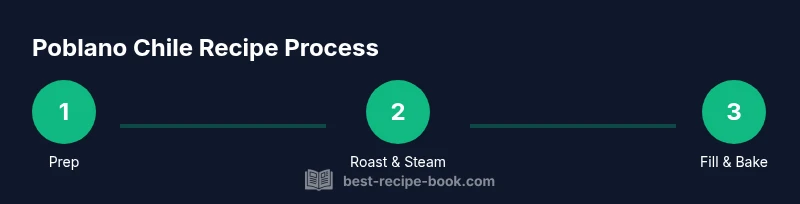
The poblano chile is a gateway to smoky, comforting meals that fit a range of budgets and lifestyles. Mild to moderate in heat, its thick-walled fruit holds up to roasting and stuffing, making it ideal for weeknight dinners and special occasions alike. In a typical poblano chile recipe, you’ll see a balance of peppers, a cheesy or bean-based filling, and a simple sauce or garnish that lets the pepper’s own flavor take center stage. For home cooks, the versatility means you can swap fillings, adjust spices, and tailor heat without losing the dish’s distinct character. According to Best Recipe Book, a well-executed poblano chile recipe emphasizes careful preparation, controlled roasting, and confident shaping of the final presentation. The team found that home cooks achieve the best results when they plan a clear sequence: prep peppers, roast, peel, fill, and bake. This structure keeps the process approachable while delivering restaurant-quality flavor in a home kitchen. Start with a plan, gather your ingredients, and you’ll discover why poblano chiles remain a beloved choice for dinners, brunches, and festive gatherings.
Flavor Profiles and Regional Variations
Poblano chiles bring a deep, slightly sweet green pepper flavor with a hint of earthiness. When roasted, the skin blistering adds a light smokiness that complements cheese, beans, corn, and meats. Depending on where you live, you’ll find variations in spice and aroma that can influence your filling choices. A traditional poblano chile recipe might feature queso fresco, corn, and onions, but you can just as easily craft vegetarian or meat-centered versions without losing the pepper’s identity. To keep the distinctive flavor intact, avoid overpowering components; instead, build layers of flavor with simple seasonings like cumin, garlic, and lime juice. The Best Recipe Book analysis shows that home cooks respond best to recipes that clearly separate roasting steps from filling assembly, helping you dial in the exact smoky profile you want while maintaining texture.
Tools, Materials, and Prep
A successful poblano chile recipe relies on a few reliable tools and quality ingredients. You’ll want a mix of roasting power, precise trimming, and steady filling assembly. Gather fresh poblano peppers, a light oil for roasting, a baking sheet, tongs, a sharp knife, a cutting board, mixing bowls, and your chosen filling ingredients. If you prefer a lighter approach, consider air-frying the peppers for a crisp exterior. Having a plan for peeling and deseeding—either with a damp towel or steam—will speed up prep and reduce frustration. The peppers can be refrigerated for a short period before assembly, but aim to work project-by-project in an orderly sequence so flavors stay bright and textures stay firm.
Roasting Methods: Oven, Grill, or Open Flame
Roasting heightens the pepper’s flavor by blistering the skin and concentrating sugars inside. An oven broiler produces quick, even char, while a grill adds a subtler, smoky nuance and grill marks. For a hands-on approach, an open flame on a gas stove can deliver intense blistering, but requires careful attention to avoid scorching. Whichever method you choose, spread peppers on a lined baking sheet or directly on grates, turning every few minutes until all sides are blackened and blistered. After roasting, seal the peppers in a bowl or plastic bag to steam the skin loose, which makes peeling much easier. This step is crucial for a smooth texture in the final dish and prevents tearing during stuffing.
Preparing Fillings: Cheese, Beans, Meats, and Vegetables
A great poblano chile recipe offers filling options that complement the pepper without overpowering it. Classic fillings include melting cheeses like Oaxaca or mozzarella, creamy queso fresco, or crumbled beans and corn for vegetarian versions. If you want protein, consider ground turkey, chicken, or beef with sautéed onions, garlic, and spices. For a vegetable-forward option, mix roasted peppers, mushrooms, and spinach with a hint of lime zest. Whatever you choose, balance textures so the pepper remains tender but not soggy. Season thoughtfully—smoked paprika, cumin, and cilantro can lift flavors without masking the pepper’s natural sweetness.
Assembly, Baking, and Finishing Touches
Stuffing the peppers should be confident but not rushed. Use a spoon or small scoop to pack the filling firmly but avoid overfilling, which can cause spilling during baking. Place the stuffed peppers in a baking dish and drizzle with a light sauce or broth to keep them moist as they heat through. Bake just until the cheese melts and the filling is heated through, about 15–25 minutes depending on filling density. Finish with fresh cilantro, a squeeze of lime, or a dollop of sour cream to balance heat and highlight the pepper’s smoky depth. A final drizzle of olive oil can add shine and a touch of fruitiness to the finished dish.
Make-Ahead, Storage, and Reheating
Roasted peppers and fillings can be prepared separately up to a day ahead, then assembled and heated just before serving. If you refrigerate pre-roasted peppers, keep them in an airtight container for up to 2 days to preserve color and texture. Reheating stuffed peppers is best done in a moderate oven or oven-safe skillet, covered with foil for even warming. Reheat gently to avoid drying out the filling, and re-season as needed to restore brightness after chilling. Leftovers may be repurposed into a quick sauce, enchiladas, or a hearty topping for rice bowls, giving you multiple ways to stretch a single poblano chile recipe.
Pairings and Serving Suggestions
Poblano chiles shine with sides that complement their earthiness and mild heat. Consider pairing with cilantro-lime rice, warm tortillas, and a tomato-based salsa. A light green salad with avocado can provide a refreshing balance, while a creamy corn salsa adds sweetness and crunch. For beverages, a citrusy agua fresca or a light beer can cut through richness. If you’re serving guests with varied spice tolerance, offer a mild salsa verde on the side and let everyone customize their plates. This flexible approach makes the poblano chile recipe suitable for casual weeknights or festive dinners.
Common Mistakes and How to Fix Them
Even seasoned home cooks can stumble with poblano chiles. Common issues include under-roasting, which leaves thick skin that’s hard to peel, and overfilling, which can cause leaks. Another pitfall is over-moist fillings that cause soggy peppers after baking. To avoid these problems, roast peppers until skins blister thickly and let steam fully, then peel and pat dry. Use relatively dry fillings and consider finishing with a quick broil to set cheese without drying the interior. Finally, taste-test the filling before stuffing to ensure seasoning is balanced and flavorful.
Tools & Materials
- Poblano peppers(6 large peppers (about 2–3 cups chopped fillings))
- Olive oil(For roasting and optional oiling peppers)
- Baking sheet(Line with parchment for easy cleanup)
- Tongs(To handle hot peppers safely)
- Knife(Sharp paring or chef's knife)
- Cutting board(Stable surface for prep)
- Mixing bowls(For filling components)
- Filling ingredients(Cheese, beans, corn, meat, or vegetables)
Steps
Estimated time: 60-90 minutes
- 1
Prep peppers
Wash peppers and pat dry. Trim stems and remove any blemishes. This ensures even roasting and easier peeling later.
Tip: Keep peppers whole to maximize flesh and reduce desecration of filling. - 2
Roast peppers
Roast peppers under the broiler, on a grill, or over an open flame until all sides blister and darken. Rotate frequently for even char.
Tip: Aim for uniform blistering to simplify peeling; avoid burning beyond the skin. - 3
Steam and peel
Transfer roasted peppers to a bowl and cover with a damp towel or plastic wrap to steam. This loosens the skin for easy peeling.
Tip: Steam 5–10 minutes; longer steam makes peeling easier but may soften flesh too much. - 4
Deseed and open
Peel charred skin off. Cut along the seam and remove seeds and membranes. Rinse quickly if needed and dry before filling.
Tip: Wear gloves to protect skin from capsaicin if handling hot peppers. - 5
Prepare filling
Cook any raw components (meat, onions, garlic) and mix with cheese, beans, corn, or vegetables. Season well.
Tip: Taste and adjust salt, pepper, and spices before filling. - 6
Stuff peppers
Fill each pepper with a firm spoonful of filling, pressing gently to avoid tearing the skin. Leave space for expansion as it bakes.
Tip: Use a small scoop for even distribution and minimal mess. - 7
Bake or finish
Arrange stuffed peppers in a baking dish. Bake until cheese melts and filling is hot, about 15–25 minutes. Optional: broil briefly to re-blister the tops.
Tip: Add a splash of broth or sauce to keep peppers moist during baking. - 8
Serve and enjoy
Let peppers rest a couple of minutes. Finish with fresh herbs, citrus, or a dollop of crema. Serve with side of rice or tortillas.
Tip: Squeeze lime over the top to brighten flavors.
People Also Ask
What is the best way to roast poblano peppers?
Roast peppers under the broiler or on a grill until the skin blisters and chars. Turn to blister evenly, then steam in a covered container to loosen the skin for easy peeling.
Roast peppers under a broiler or grill until blistered, then steam them to peel easily.
Can poblano peppers be eaten raw?
Poblano peppers are typically roasted to mellow heat and deepen flavor. Raw peppers tend to be firmer and spicier.
They’re usually roasted to mellow the heat; raw peppers are spicier and crunchier.
What fillings work best in stuffed poblano peppers?
Cheeses like queso fresco or Oaxaca, along with beans, corn, or seasoned meat, create a well-balanced filling. Drain any excess moisture to prevent soggy peppers.
Cheese, beans, corn, and seasoned meat are popular fillings; keep moisture in check.
How long does this poblano chile recipe take?
Total time varies, but plan for about 60 to 90 minutes from prep to serving depending on filling choice and roasting method.
About one to one and a half hours from start to finish.
How should leftovers be stored?
Cool completely, then refrigerate stuffed peppers in an airtight container for up to 3–4 days. Reheat gently to preserve texture and moisture.
Refrigerate leftovers in a sealed container for a few days and reheat slowly.
Watch Video
Key Takeaways
- Roast peppers until blistered for smoky flavor.
- Peel and deseed carefully to maintain flesh integrity.
- Fill with balanced fillings for texture and flavor.
- Bake until cheese melts and filling is heated through.
- Store leftovers properly for quick future meals.