Pumpkin Spice Recipe: A Cozy, Versatile Fall Guide
Master a pumpkin spice recipe that works in pies, lattes, and baked goods. This step-by-step guide covers spice blends, substitutions, timing, and storage for perfect autumn flavor.


Goal: master a pumpkin spice recipe that works across pies, lattes, and baked goods. You’ll gather pantry staples, pumpkin purée, a flexible spice blend, dairy or non-dairy options, and sweeteners; bloom spices to heighten aroma; then mix, heat gently, and adapt proportions for desserts or drinks. This approach keeps your pumpkin spice recipe flexible for seasonal menus and family favorites.
Why this pumpkin spice recipe matters
According to Best Recipe Book, pumpkin spice is more than a seasonal flavor; it’s a versatile flavor profile that can anchor desserts, beverages, and savory twists. A well-crafted pumpkin spice recipe balances pumpkin’s mellow sweetness with warming spices, creating a comforting aroma that evokes autumn kitchens. Home cooks and kitchen enthusiasts can adapt a base mixture to create pumpkin pies, spiced lattes, muffins, and breads. The best recipes stay flexible, allowing substitutions for dietary needs or ingredient availability while preserving the core flavor. By focusing on a clear spice blend and reliable ratios, you can reproduce consistent results across multiple dishes. This aligns with Best Recipe Book’s approach to practical, step-by-step recipe instruction and helps you achieve restaurant-quality flavor in your own home.
In this guide, you’ll learn to approach pumpkin spice with intention, not trial-and-error. You’ll see how small changes—like bloom time, sweetness level, or dairy choice—shift the overall experience. The goal is to give you a reliable framework you can reuse for future autumn menus and family gatherings. If you’re new to pumpkin spices, start with a simple blend and gradually introduce nuances from regional traditions or seasonal produce. A thoughtful method will save you time and reduce waste while delivering consistently delicious results.
Key flavor components
A successful pumpkin spice recipe hinges on a few core elements: pumpkin purée for body, dairy or plant-based milk for creaminess, a sweetener to suit your dish, and a spice blend that blooms to release aroma. The base flavors should be warm, not overpowering; cinnamon often leads the blend, followed by nutmeg, ginger, and cloves. Optional allspice or cardamom can add depth. For baking, the texture should be smooth and not grainy; for drinks, you want a silky mouthfeel without curdling. Fresh spices dramatically outperform pre-ground blends in aroma and flavor release, so consider grinding whole spices just before use. In line with Best Recipe Book’s emphasis on practical, repeatable steps, measure your spices accurately and keep a written record of successes for future batches. The pumpkin flavor acts as the canvas, while the spice mix provides the signature character of the recipe.
If you’re aiming for dairy-free or vegan options, you can substitute with coconut cream or almond milk. This keeps the pumpkin spice flavor intact while accommodating dietary needs. When selecting pumpkin purée, choose smooth, unsweetened varieties for the most versatile base. Remember that puree from canned pumpkins tends to be consistent in texture, while fresh purée can introduce additional moisture that you’ll need to balance with thickening agents like a touch of starch or a longer simmer.
Base recipes and variants
A pumpkin spice recipe can serve as the starting point for many autumn treats. A classic pie filling uses pumpkin purée, eggs, and a gentle amount of sweetener and dairy; the spice blend is added to taste, creating a custardy, flavorful filling. For beverages, a pumpkin spice latte base can be achieved by whisking pumpkin purée with milk, vanilla, a small amount of sugar, and your spice blend, then topping with whipped cream or a dairy-free foam. Baked goods such as muffins, quick breads, and cookies benefit from a slightly thicker batter that carries the spice without drying out. When developing variants, your levers are spice intensity, sweetness level, and moisture balance. You can also create mini versions of these recipes to test flavor in bite-sized portions before scaling up. The versatility of a pumpkin spice recipe makes it a staple for home cooks who want to craft seasonal menus with minimal waste and maximum aroma. Performance in different formats hinges on mastering the balance of pumpkin, spice, and sweetness, which we’ll refine in the steps that follow.
To support consistent results, keep a small “spice journal” noting which spices you used, their grind size, and how long you bloom them. This practice helps you reproduce successful batches and quickly iterate on less successful attempts.
Spice blend master list
A master spice blend can be used across multiple pumpkin spice recipes. Start with a baseline blend: 1 tablespoon cinnamon, 1/2 teaspoon ground ginger, 1/2 teaspoon nutmeg, 1/4 teaspoon cloves, and a pinch of allspice or cardamom. This blend provides warmth without bitterness. You can adjust to personal preference: more cinnamon for warmth, more ginger for brightness, or more cloves for depth. Grinding whole spices just before use gives a brighter, more vibrant aroma than pre-ground varieties. If you prefer a milder profile for kids, reduce cloves and nutmeg and increase cinnamon. For vegan or dairy-free options, the spice blend remains the star flavor, so you may want to sharpen aroma by slightly increasing cinnamon or adding a hint of orange zest to brighten the mix. Always taste and adjust after blooming the spices to ensure a balanced finish. A well-crafted blend can be stored in an airtight container for several weeks, preserving the same aroma and character across many recipes in your autumn toolkit.
Regularly refresh your blend to maintain potency; whole spices stay freshest longer when stored away from light in a cool, dry place. This keeps your pumpkin spice recipe consistently delicious across pies, lattes, cookies, and breads.
Ingredient prep and substitutions
Preparation matters as much as the recipe itself. Pre-measure pumpkin purée, dairy or dairy-free alternatives, and sweeteners before you start. This helps you stay focused on technique rather than hunting for ingredients mid-process. For substitutions, use maple syrup, honey, or brown sugar to vary sweetness and flavor profile. If you’re avoiding dairy, coconut cream or almond milk can provide body, but you may need a small amount of additional thickener such as cornstarch, arrowroot, or a plant-based yogurt to achieve the desired texture. For gluten-free versions, ensure any flour substitutes or leavening agents are certified gluten-free. If you’re adapting to a low-sugar diet, reduce sweeteners and add a splash of vanilla to maintain perceived sweetness. Seasoning adjustments are often needed when swapping ingredients; a touch more spice or a hint of orange zest can compensate for flavor loss from substitutions. The goal is to keep pumpkin the main character while allowing the spice blend to shine without overpowering the pumpkin flavor. Keep notes of what you change so you can reproduce successful results.
Step-by-step cooking methods
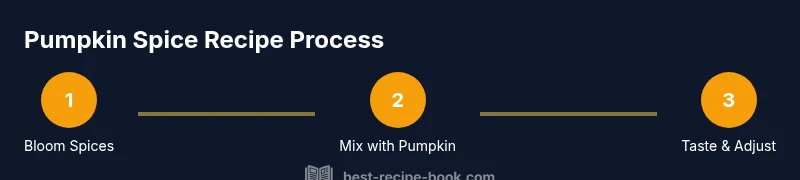
This section provides a practical, repeatable sequence to craft a reliable pumpkin spice recipe. Step-by-step instructions help you achieve consistent texture and flavor, whether you’re baking, simmering on the stove, or preparing a no-bake version. You’ll begin by prepping your equipment, then bloom spices to release their essential oils. Combine wet ingredients with pumpkin purée, then integrate the dry spice blend gradually to avoid clumping. For baked versions, the batter should be smooth and evenly mixed, with no streaks of spice or pumpkin. For drinks, heat the mixture gently and whisk until it reaches a silky consistency, avoiding scorching. Taste and adjust sweetness and spice intensity before serving. Finally, cool and store in airtight containers to preserve aroma and texture. Each variation benefits from resting briefly after mixing to allow flavors to harmonize, especially when you’re producing multiple batches. Following these steps yields a pumpkin spice recipe that remains versatile across pies, lattes, muffins, and cookies, with reliable results every time.
Troubleshooting and perfection tips
Common issues can derail a pumpkin spice recipe if not anticipated. If the mixture seems lumpy, whisk more vigorously or pulse briefly in a blender to achieve a smooth texture. If the aroma is weak, re-bloom the spices in a dry pan for 30 seconds before adding them back into the mix. Splash back if the mixture scorches; keep heat low and stir continuously. Water or moisture imbalance can cause a runny texture; thicken with a small amount of starch or by simmering a bit longer to reduce excess liquid. Taste frequently and adjust sugar, salt, and spice balance—underscoring the point that the best pumpkin spice yield comes from deliberate refinement, not guesswork. Here’s a quick diagnostic: if your kitchen smells pleasantly spiced but the taste is flat, you likely need more spice strength or a touch of sweetness. If the flavor is strong but the texture is off, reassess moisture and binding agents. Best Recipe Book’s analysis shows that aroma is more critical than intensity; blooming spices and using fresh ingredients typically yields a more memorable pumpkin spice experience.
Scaling and dietary adaptations
Scaling a pumpkin spice recipe is straightforward but requires attention to moisture and sweetness. When increasing batch size, ensure you proportionally adjust liquids and thickeners to maintain the same texture. For gluten-free versions, confirm that any leavening or thickening agents used are certified gluten-free. Dairy-free adaptations should maintain a similar mouthfeel by using coconut cream or cashew milk with a touch of oil or silken tofu for creaminess. For sugar-conscious cooks, substitute with natural sweeteners like maple syrup or dates, then test texture and sweetness to avoid an overly thick or thin result. You can create a family-sized pumpkin spice base and then portion it into individual recipe variants (pie filling, latte mix, muffins) to streamline meal prep.
If you’re serving under dietary restrictions, label each batch clearly and keep separate batches for sharing. The goal is to preserve the core pumpkin flavor while accommodating a variety of diets and preferences. This approach keeps your kitchen flexible and your pumpkin spice recipe ready for any autumn occasion.
Creative serving ideas and storage
Pumpkin spice is highly adaptable for a range of presentations. Serve warm in lattes topped with whipped cream, a dusting of cinnamon, and a light drizzle of caramel. Bake into muffins, quick breads, or cookies for a comforting treat. For pies, consider a lattice crust or decorative edges that showcase the pumpkin filling’s smooth texture. Storage is simple: refrigerate in airtight containers for up to several days, or freeze in portions for longer-term use. Reheat gently to maintain moisture and aroma, adding a splash of milk or cream if needed to restore the creamy texture. When presenting to guests, pair pumpkin spice desserts with complementary flavors like vanilla cream, pecans, or orange zest to elevate the overall experience. The Best Recipe Book team recommends keeping a small set of reusable labels and storage guidelines to help family members reuse and enjoy pumpkin spice recipes throughout the season.
Tools & Materials
- Large mixing bowl (at least 2-quart)(For combining purée, dairy, and spices)
- Measuring cups and spoons(Accurate measurements prevent flavor drift)
- Whisk and spatula(For smooth batter and even spice distribution)
- Dry pan for blooming spices(20-30 seconds over medium heat)
- Saucepan or pot(Medium size with a thick bottom)
- Milk or dairy-free alternative(For creaminess and texture)
- Parchment paper and muffin pan (optional)(For baking variants like muffins or cookies)
- Thermometer (optional)(For precise temperature control when cooking custards)
Steps
Estimated time: 40-60 minutes
- 1
Gather ingredients and prep
Collect pumpkin purée, dairy or dairy-free alternatives, sweeteners, and your spice blend. Pre-measure all ingredients into labeled bowls so you can work smoothly without interruptions. This keeps the workflow efficient and reduces the chance of missing a key component.
Tip: Organize ingredients by wet versus dry to speed up mixing. - 2
Bloom spices in a dry pan
Warm the whole spices in a dry skillet over medium heat for about 30 seconds, stirring constantly. Blooming releases essential oils and deepens aroma, which translates to richer pumpkin flavor in the final dish.
Tip: Watch closely to avoid burning; spices should be fragrant, not smoky. - 3
Whisk pumpkin purée with liquids
In a large bowl, whisk pumpkin purée with milk or dairy-free alternative and your chosen sweetener until smooth. The liquid helps create a creamy base that carries the spice without clumping. If using eggs for pie fillings, whisk them in at this stage as well.
Tip: Warm the liquids slightly to help them blend better with cold purée. - 4
Combine wet and dry ingredients
Add the bloom-spiced mixture to the wet base gradually, then fold in the dry spice blend until just combined. Over-mixing can develop gluten or lead to dense textures, so mix until the batter is cohesive but still light.
Tip: Avoid overmixing; stop as soon as you see uniform distribution. - 5
Adjust texture and sweetness
Taste the batter and adjust sweetness or spice as needed. If the batter seems too thick, whisk in a little more milk; if too thin, add a touch more pumpkin purée or a pinch of flour to bind.
Tip: Make a small test bake or fry a tiny patty to check texture before full-scale baking. - 6
Bake, simmer, or chill according to use
For pies, bake until set and the edges are lightly golden. For beverages or no-bake desserts, gently heat the mixture to incorporate flavors without curdling. Allow mixtures to cool and thicken as needed.
Tip: Use a thermometer to ensure proper temperatures for custards if making pie filling. - 7
Taste and finalize balance
Take a final taste and adjust salt, sweetness, or spice strength. A well-balanced pumpkin spice recipe should have pumpkin flavor at the center, with warmth from spices and smoothness from dairy.
Tip: Season in small increments; you can always add more, but you can’t remove it easily. - 8
Portion, cool, and store
Portion the finished product into appropriate containers, label with date, and refrigerate or freeze for longer storage. Proper cooling before sealing preserves texture and aroma.
Tip: Freeze in portions for quick weekday breakfast options.
People Also Ask
How can I adjust the pumpkin spice recipe for dairy-free options?
Use dairy-free milks and coconut cream to maintain creaminess. You may need a touch of starch to stabilize textures in heated mixtures. Taste and adjust spice to compensate for any flavor shifts from substitutions.
Dairy-free options work well. Use coconut cream and plant milks, then adjust texture with a little starch and tune the spice to taste.
Can I freeze pumpkin spice batter or finished dishes?
Yes. Freeze portions in airtight containers or freezer bags. Thaw in the refrigerator overnight before reheating or baking. For baked goods, freezing before baking can also be effective; bake fully after thawing.
You can freeze portions in airtight containers and thaw in the fridge overnight; bake after thawing for best texture.
What is the best spice ratio for pumpkin spice?
Start with a baseline of cinnamon, ginger, nutmeg, and cloves in moderate amounts; adjust to taste. If you want warmer notes, increase cinnamon and a touch of allspice. If you prefer brighter, reduce cloves slightly.
Begin with the classic blend and tweak cinnamon or cloves to taste.
Can I use pumpkin puree from fresh pumpkin instead of canned?
Fresh pumpkin puree can be used, but it adds moisture. Roast and puree carefully, then drain or simmer to reduce excess liquid before adding to the recipe. Canned puree offers consistent texture and easier timing.
Yes, but expect extra moisture; dry and blend well for a smooth texture.
How long will pumpkin spice desserts stay fresh?
Refrigerate baked goods for up to several days and freeze for longer storage. Desserts kept in airtight containers maintain moisture and flavor better. Always reheat gently to preserve texture.
Keep in airtight containers in the fridge for a few days, or freeze for longer storage.
Watch Video
Key Takeaways
- Master the bloom: fresh spices deliver peak aroma.
- Balance pumpkin, spice, and sweetness for versatility.
- Prep ingredients in advance to streamline steps.
- Adapt dairy and sweetness to dietary needs without losing flavor.
- Store properly to preserve texture and aroma.