Rack of Lamb Recipe: A Step-by-Step Guide
Learn a complete, step-by-step rack of lamb recipe that yields a juicy, crusty centerpiece. This guide covers selection, dry-brining, searing, roasting to doneness, resting, sauces, sides, and troubleshooting for home cooks.


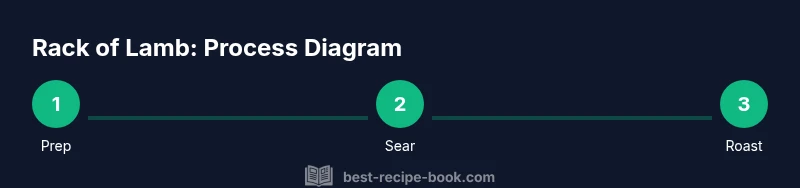
Goal: Cook a perfect rack of lamb to medium-rare using a dry-brine, sear, and roast method. You’ll start with a light dry-brine, pat dry, sear in a hot pan, then finish in a hot oven. Essential tools and ingredients include a rack of lamb, kosher salt, black pepper, garlic, fresh herbs, olive oil, an oven-safe skillet, and a meat thermometer.
Why rack of lamb is a crowd-pleaser
A rack of lamb makes a striking centerpiece for holiday meals and everyday dinners alike. Its elegant bones frame tender meat with a rich, herb-forward flavor that responds well to simple, high-heat cooking. In a rack of lamb recipe, you’re rewarded with a crisp exterior and a juicy, rosy interior when you balance seasoning, timing, and resting. According to Best Recipe Book, the key isn’t gimmicks or fancy technique, but a clear plan: salt your meat, build a crust, and let the meat relax before serving. The bone-in rack is convenient for carving, presenting, and portioning, and it tolerates both classic herb scents (rosemary, thyme) and bolder accompaniments like roasted garlic or red-wine reductions. For most home cooks, lamb is a special-occasion dish that can be reliable with a straightforward method: start with a dry-brine, sear to develop a crust, then finish in a hot oven to the desired doneness.
Choosing a rack of lamb and freshness
Look for a bone-in rack with firm, bright meat and clean bones. Frenched racks are preferred for presentation, since the bones are cleaned and exposed, but non-frenched racks cook and slice just as well. Check the selling date and avoid packs with a strong, sour odor. A well-muscled rack with even thickness cooks more evenly, so compare two or three options if you can. When you bring the meat home, pat it dry and let it rest a few minutes before seasoning to promote even browning.
Preparation: trimming, dry-brine, and seasoning
Trim any loose membranes and remove excess fat as needed, but keep the meat well covered for flavor. A light dry-brine—sprinkling kosher salt over the surface and letting it sit—helps draw moisture to the surface and improve crust formation. After brining, pat the rack dry so the surface browns properly. Season generously with freshly ground pepper, minced garlic, and chopped herbs such as rosemary and thyme. A drizzle of olive oil keeps the surface glossy and aids heat transfer in the pan.
Searing technique: getting a perfect crust
Preheat a heavy skillet until it is very hot, then add a thin coat of oil. Sear the rack on all sides until the crust is deep golden brown, turning with tongs to ensure even browning. Don’t rush this step—the crust locks in flavor and creates a barrier that keeps juices inside during roasting. If you have extra flavor boosters like lemon zest or crushed peppercorns, you can press them into the surface during the last moments of searing.
Roasting to target doneness
Transfer the seared rack to a roasting pan or keep it in the hot skillet if it’s oven-safe, and slide it into a hot oven. Roast until the internal temperature reaches about 125-130°F (51-54°C) for medium-rare, or adjust to your preferred doneness. The exact time varies with rack size and oven hot spots, so start checking a few minutes early with a meat thermometer. If you prefer a stronger herb aroma, add a few sprigs of rosemary or thyme near the rack while it roasts.
Resting and carving for juiciness
Remove the lamb from the oven and let it rest loosely tented with foil for 10-15 minutes. Resting allows the juices to redistribute, yielding a juicier slice. Carve between the bones with a sharp knife, then slice individual chops to your desired thickness. Present the bones as a natural handle for an elegant serving.
Making a simple pan sauce to elevate the dish
While the lamb rests, deglaze the pan with a splash of wine or broth, scraping up browned bits. Reduce the liquid by half, then finish with a pat of butter and chopped herbs for a silky, glossy sauce. Season to taste with a pinch of salt and pepper. A classic red-wine reduction or minty chimichurri can also complement the lamb nicely.
Side dish ideas that pair with rack of lamb
Pair the lamb with roasted vegetables like potatoes, carrots, and Brussels sprouts, or a creamy mashed potato to soak up the sauce. A simple green salad with balsamic vinaigrette provides acidity to balance richness. For extra elegance, offer a rustic grain such as farro or quinoa pilaf. Choose sides that finish with olive oil or herbs to echo the lamb’s flavors.
Troubleshooting common issues
If the crust won’t form, ensure the meat is dry and the pan is sufficiently hot. If the lamb seems to be under-seasoned, a quick finishing salt right before serving can correct it. For a dry texture, avoid over-roasting and rely on a thermometer rather than time alone. If you’re short on time, you can skip the dry-brine, but expect a slower browning and less intense crust. Finally, always rest the meat; cutting too soon is the most common mistake.
Tools & Materials
- Rack of lamb (bone-in)(2- to 2.5-pound rack; Frenched preferred for presentation)
- Kosher salt(Coarse salt for dry-brine)
- Freshly ground black pepper(To taste)
- Garlic cloves(Crushed or minced)
- Fresh rosemary and/or thyme(Chopped)
- Olive oil(For coating and searing)
- Oven-safe skillet or roasting pan(Large enough to fit rack)
- Meat thermometer(Target 125-130°F for medium-rare)
- Aluminum foil(For tenting during resting)
- Chef’s knife(Sharp for carving between bones)
Steps
Estimated time: 60-90 minutes
- 1
Gather ingredients and equipment
Bring all ingredients and tools to the counter so you can move smoothly through prep. This reduces delays and helps maintain a clean workflow before heat hits the pan.
Tip: Have the thermometer accessible and the rack at room temperature before cooking. - 2
Dry-brine the rack
Lightly salt the surface of the rack and let it sit uncovered in the fridge or on the counter for a short period. This helps draw moisture to the surface for a better crust.
Tip: Even distribution matters—don’t clump salt in one spot. - 3
Pat dry and season
Pat the rack dry to remove surface moisture, then apply pepper, minced garlic, and chopped herbs. A light coating of olive oil helps the seasoning stick and promotes browning.
Tip: Dry surface = better sear; moisture sabotages crust formation. - 4
Sear the rack
Heat a heavy skillet until very hot and lightly oil the surface. Sear the rack on all sides until the crust is deep golden brown, turning with tongs for even color.
Tip: Searing time matters more than color alone; aim for a deep crust without burning. - 5
Roast to doneness
Transfer to a roasting pan or keep in a safe skillet and roast in a hot oven. Check internal temperature with a thermometer; remove when it reaches 125-130°F for medium-rare.
Tip: A thermometer beats time estimates—doneness varies with rack size and oven. - 6
Check temperature and rest briefly
If under target, give a minute or two more in a warm oven. When done, remove and let rest loosely tented with foil.
Tip: Resting is essential to redistribute juices and keep slices juicy. - 7
Carve between the bones
Slice between individual bones to separate chops cleanly. Present bones as a natural handle for an elegant plating.
Tip: A sharp knife and clean cuts prevent shredding the meat. - 8
Make a quick pan sauce
Deglaze the roasting pan with wine or broth, reduce, and finish with butter and herbs. A glossy sauce ties the dish together.
Tip: Even a small splash of liquid picks up fond for flavor depth. - 9
Serve with fitting sides
Choose sides that complement the rich meat—roasted vegetables, potatoes, or a crisp green salad. A light sauce can finish the plate nicely.
Tip: Coordinate plate timing so the meat stays warm for service.
People Also Ask
What is the best doneness for rack of lamb, and what internal temperature should I target?
Medium-rare is widely favored for rack of lamb due to its tenderness and juiciness. Target an internal temperature of about 125-130°F (51-54°C) and let the meat rest before slicing. Adjust slightly if you prefer medium or medium-wine doneness.
For best results, aim for medium-rare and use a thermometer to get 125 to 130 degrees.
Should I French the rack for this rack of lamb recipe?
Frenched racks look elegant with exposed bones, but it’s not mandatory. A bone-in rack cooks and carves just as well, and you’ll still achieve a flavorful crust with proper searing and roasting.
Frenched looks nice, but it’s not required for flavor or texture.
Can I cook this on a grill instead of a pan and oven?
Yes, you can grill a rack of lamb using indirect heat and a two-zone setup. Sear briefly over high heat if you want a crust, then move to cooler zones to finish cooking.
Grilling is fine—use indirect heat and monitor doneness closely.
How long should I rest the lamb after roasting?
Rest the lamb for about 10-15 minutes after roasting. Resting helps juices redistribute for a more tender slice.
Let it rest for about 10 to 15 minutes.
What sides pair well with rack of lamb?
Roasted vegetables, creamy mashed potatoes, or a light green salad with a acidic vinaigrette pair well. A simple red-wine reduction also complements the meat nicely.
Potatoes, roasted veggies, and a bright salad go great with it.
How should I store leftovers safely?
Store cooled leftovers in an airtight container in the fridge and use within a few days. Reheat gently to avoid drying the meat.
Refrigerate leftovers promptly and reheat gently.
Watch Video
Key Takeaways
- Season early with salt to encourage a crust
- Sear thoroughly to build flavor and crust
- Roast to 125-130°F for medium-rare doneness
- Rest the meat before carving for juiciness
- Pair with simple, complementary sides