Recipe for Baked Eggs: A Step-by-Step Guide
Master a reliable recipe for baked eggs with a simple, forgiving method. This guide covers timing, heat, and tasty variations to yield creamy yolks and tender whites for busy home cooks.


Learn a reliable recipe for baked eggs with a simple, forgiving method you can master in one sitting. This guide covers ingredients, timing, and variations, delivering creamy yolks and tender whites every time. According to Best Recipe Book Editorial Team, heat control, portion size, and a steady bake are the secret to consistent results.
What is a recipe for baked eggs?
A recipe for baked eggs is a simple method for gently cooking eggs in small containers, typically ramekins, in the oven. The goal is to set the whites while keeping the yolk soft and runny, creating a creamy, custard-like center. This technique is versatile, forgiving for beginners, and pairs well with cheese, herbs, or vegetables. This approach works well for a quick breakfast, a light lunch, or a dinner component when you want a cozy, comforting dish without turning on the stove. By preheating the oven and preparing a few base ingredients, you can customize the bake with your favorite flavors. According to Best Recipe Book Editorial Team, understanding heat, timing, and portion size is the difference between a crusty edge and a silky center. With a little practice, you’ll produce consistent results that feel restaurant-quality in your home kitchen.
Core technique and why it works
The core technique is gentle, even heat. Preheat the oven to 375°F (190°C) and lightly butter each ramekin to prevent sticking. Crack one or two eggs into each ramekin, add a pinch of salt, pepper, and optional toppings, then bake until whites are just set but the yolks still jiggle slightly. This timing varies with ramekin size and oven performance, so start by checking at the 10-minute mark and adjust; this helps avoid overcooking. The method works because the oven surrounds the containers with consistent heat, while the small volume of each ramekin allows the egg proteins to coagulate evenly. Keeping the yolk center soft creates a luxurious texture that contrasts with the firmer edge around the sides. For best results, place the ramekins on a baking sheet to stabilize them and prevent wobbling during the bake.
Ingredient options and substitutions
Egg quality matters: choose large, fresh eggs for best flavor. Beyond eggs, dairy options like cream, milk, or grated cheese enrich the bake. For a lighter version, skip dairy or use a splash of milk and grated herbs. Add-ins like shredded cheese, crumbled feta, chopped spinach, sun-dried tomatoes, or sautéed mushrooms personalize the dish. If you’re vegan or dairy-free, try a tofu-based base or skip eggs and bake silken tofu with seasonings. Always season with salt and pepper; finishing with a drizzle of olive oil wakes up the flavors. Best Recipe Book Analysis, 2026 notes that balancing richness with fresh acidity yields the most satisfying results, so consider a squeeze of lemon or a splash of yogurt on top after baking.
Equipment and prep tips
You’ll need ramekins (4-ounce is ideal), a baking sheet, a small whisk or fork, a pastry brush for butter, and a timer. Preheat the oven and assemble ingredients before you start. Butter the ramekins evenly to prevent sticking and to create a glossy surface. If you don’t own ramekins, you can use small oven-safe cups or a muffin tin, but adjust bake time accordingly. Lining the tray with parchment makes cleanup easier. Having an ice-cold egg on hand for use after cracking can help with control if you crack more eggs than planned. Organize your toppings in small bowls so you can add them quickly as you assemble.
Common pitfalls and how to fix them
Under-cooked whites or overcooked yolks are the two most common problems. If the whites stay translucent, bake a few minutes longer, checking every 2 minutes. If the yolks become firm, reduce the oven temperature by 25°F (about 15°C) or shorten bake time. Moisture can pool in ramekins if you overfill; aim for two eggs per 4-ounce ramekin or a single egg per small dish. Don’t skip greasing the dish; otherwise, eggs will stick and tear when removing. If you’re starting from cold eggs, let them sit at room temperature for 10-15 minutes to bake more evenly. If your oven runs hot, consider rotating the pan halfway through to promote even browning.
Variations you can try
Try a classic cheesy bake with Parmesan and mozzarella; add a splash of cream to the whites for extra richness, or mix in herbs like chives, parsley, or tarragon. For a Mediterranean twist, fold in crumbled feta, chopped olives, and sun-dried tomatoes. A breakfast-for-dinner version can include crumbled bacon or pan-seared spinach. For a lighter brunch, add fresh herbs and a dollop of yogurt after baking. You can also convert this into a mini frittata by whisking eggs with a small amount of milk and arranging toppings evenly before baking.
Scaling for meal prep and serving ideas
To serve a crowd, set up a tray of ramekins in a shallow water bath to promote even cooking and prevent overheating at the edges. Prepare a batch of eggs ahead of time and refrigerate baked portions; reheat gently in a warm oven (not microwave) to preserve texture. Plan sides such as toast, a green salad, or roasted vegetables to balance richness. This is a flexible, make-ahead technique that suits weekend breakfasts or quick weekday dinners.
Tools & Materials
- Ramekins (4-ounce)(At least 4-ounce capacity; set of 4-6 for multiple servings)
- Oven-safe baking sheet(Stability for ramekins)
- Butter or oil for greasing(Even coating to prevent sticking)
- Mixing bowl(Small bowl for beating eggs or mixing fillings)
- Whisk or fork(For whisking eggs and adding fillings)
- Measuring spoons(For seasoning and add-ins)
- Salt and pepper(Basic seasoning)
- Optional add-ins (cheese, herbs, vegetables)(If using, have them prepped)
- Timer(To track bake time accurately)
- Parchment paper(Optional for easier cleanup)
Steps
Estimated time: 25-40 minutes
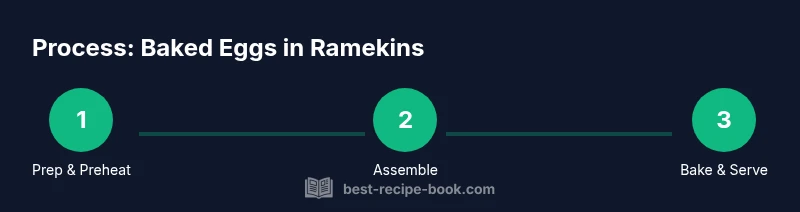
- 1
Preheat oven and prep ramekins
Set the oven to 375°F (190°C) and place a rack in the center. Lightly grease each ramekin with butter or oil to prevent sticking, then line a baking sheet for stability.
Tip: Preheating ensures even cooking from the start. - 2
Grease and crack eggs
Evenly grease the ramekins, then crack one or two eggs into each. If using multiple fillings, keep each ramekin organized to avoid cross-contamination of flavors.
Tip: Crack eggs into a small dish first to avoid shells in the ramekins. - 3
Season and add fillings
Season with a pinch of salt and pepper. Add optional toppings such as grated cheese, herbs, or sautéed vegetables before baking to boost flavor.
Tip: Don’t overcrowd; two eggs per ramekin maximum keeps texture even. - 4
Bake and monitor doneness
Bake until whites are set and yolks still jiggle slightly, typically 10–15 minutes depending on fillings and ramekin size. Check after 10 minutes to avoid overcooking.
Tip: Start checking early; ovens vary and thin edges cook faster. - 5
Serve and enjoy
Let the baked eggs rest for 1–2 minutes, then serve with toast or greens. Finish with a drizzle of olive oil or fresh herbs for brightness.
Tip: Use hot pads when handling ramekins; they will be very warm.
People Also Ask
Can I bake eggs without ramekins?
Yes, you can use small oven-safe cups or a muffin tin; timing may vary and you may need to adjust fillings. Ramekins offer consistent shape and portioning.
Yes, you can bake eggs in other small oven-safe dishes, but ramekins provide consistent portions.
How long should baked eggs bake at 375°F?
Typically 10-15 minutes, depending on egg size and how runny you like the yolk. Start checking at 10 minutes.
Usually 10 to 15 minutes; check early to keep yolks runny.
What if the eggs overcook?
Remove from oven immediately and adjust next time by shortening bake time or lowering heat. A quick check at 2-minute intervals helps.
If overcooked, pull them out early and tweak timing next time.
Can I make ahead and reheat baked eggs?
Yes, refrigerate baked eggs and reheat in a warm oven to preserve texture. Avoid microwaving, which can make texture rubbery.
Yes, you can reheat in a warm oven without losing texture.
What should I serve with baked eggs?
Pair with toast, a fresh salad, or roasted vegetables. A small fruit component can brighten the plate too.
Serve with toast and greens for a balanced meal.
Can I use egg substitutes or vegan options?
You can use liquid eggs or tofu-based fillings; texture will differ. Start with a small test batch to dial in flavor and texture.
Yes, substitutes are possible, but texture changes.
Watch Video
Key Takeaways
- Preheat oven and grease ramekins for even cooking.
- Crack eggs carefully to avoid shells and ensure even placement.
- Time baking precisely to keep yolks runny and whites set.
- Customize with cheese, herbs, and vegetables to suit your taste.