Fruit Pizza Recipe: A Step-by-Step Guide for Home Cooks
Learn to craft a vibrant fruit pizza with a crisp crust, creamy base, and bright fruit toppings. This comprehensive guide covers ingredients, techniques, tips, variations, and smart make-ahead strategies for home cooks seeking a show-stopping dessert.


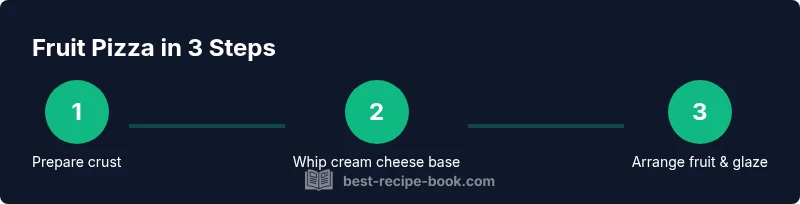
Master a classic fruit pizza with a crisp crust, creamy base, and radiant fruit topping. This quick guide highlights essential steps and requirements to create a crowd-pleasing dessert at home. You’ll bake a sturdy crust, whip a silky cream cheese layer, arrange colorful fruit, and glaze for shine. Perfect for gatherings or a sunny weekend treat.
What is a fruit pizza and why it's a favorite dessert
Fruit pizza is a playful, colorful dessert that layers a soft, sweet crust with a creamy topping and a crown of fresh fruit. It's versatile: you can use a sugar cookie crust, shortbread, or a crust built from pantry staples; the base is typically a creamy mixture of cream cheese with a touch of powdered sugar and vanilla. This combination balances sweetness with the bright acidity of fruit, creating a dessert that feels light yet indulgent. For home cooks, fruit pizza is attractive because you can customize it to seasonal fruit and personal preferences, serving it as a centerpiece for gatherings or a cheerful weekend treat. According to Best Recipe Book, the best fruit pizzas start with a crust that stays crisp, a creamy layer that sets cleanly, and fruit arranged in an appealing pattern to maximize color and flavor. The dessert also scales well: you can make a smaller version for a weeknight dessert or a larger one to feed a crowd. The key is keeping the crust cool, the filling smooth, and the fruit fresh, which helps the colors pop and the textures contrast pleasantly.
Core components: crust, creamy base, and fresh fruit toppings
A successful fruit pizza rests on three dependable components. The crust provides structure and texture. It can be a store-bought sugar cookie crust for simplicity, or a homemade shortbread crust for richer flavor. Bake it until light golden and let it cool completely; a warm crust will cause the topping to slide. The creamy layer is typically a lightly sweetened cream cheese mixture, sometimes thinned with a touch of yogurt or cream to set with a slight sheen. Use full-fat cream cheese for a richer mouthfeel, and whisk until smooth to avoid lumps. Vanilla extract and a pinch of salt elevate the flavor, while powdered sugar helps the filling hold together. The final fruit layer is where color, flavor, and contrast come alive. Choose fruits with different textures—strawberries for juiciness, kiwis for brightness, blueberries for a pop of deep color, mangoes for tropical sweetness, or citrus segments for a zing. Best Recipe Book analysis, 2026, suggests arranging fruit in concentric rings or geometric patterns to create visual appeal and even distribution of sweetness. The fruit should be dry before placing on the glaze to prevent sliding and sogginess.
Flavor pairings and customization ideas
Fruit pizza is a blank canvas. You can use a lemon-lime glaze or brushed apricot jam glaze for shine and a light fruity gloss. Consider light variations: swap vanilla for almond extract in the cream cheese base for a nutty aroma, or mix in cream cheese with a dollop of whipped cream to ease richness. Pair crust flavors with seasonal fruit: citrus fruits in winter, berries in spring and summer, and tropical fruits in late summer. If you want to keep it dairy-free, use a dairy-free cream cheese alternative and skip the glaze or replace with a fruit jelly glaze. To make it kid-friendly, use smaller fruit dice and arrange them into fun shapes, like a rainbow arc or a smiley face. For a celebratory touch, dust the finished pizza with edible flowers or mint leaves. The Best Recipe Book team emphasizes the importance of balance: too much sugar in the filling or too heavy a glaze can overpower the fruit, so adjust sweetness gradually as you mix. Start with a modest amount of sugar, taste, and adjust.
Prep ahead, storage, and serving tips
Fruit pizza shines when made fresh, but you can prepare components ahead. Bake and cool the crust a day ahead, wrap tightly, and store at room temperature if the crust is sturdy; otherwise refrigerate to prevent sogginess. Prepare the cream cheese mixture up to a day in advance and keep it chilled in an airtight container. Slice fruit closer to serving or right before assembly to maintain color and texture. If you need to transport, assemble only the topping on-site or cover the assembled pizza lightly to avoid moisture buildup, which could lead to a limp crust. When serving, slice with a sharp knife warmed under hot water to ensure clean cuts. A glossy glaze can be brushed on just before serving, but avoid glazing far in advance to prevent fruit browning. According to Best Recipe Book Editorial Team, planning ahead and keeping components cool are the biggest factors in delivering a crisp crust and vibrant fruit. This approach also minimizes the risk of sogginess and helps you present a dessert that looks professional.
Troubleshooting and common mistakes
Even experienced home cooks can hit snags with fruit pizza. One common issue is a soggy crust; this often happens when the filling is too wet or fruit is placed on while warm. Ensure the crust is completely cooled and the cream-cheese layer is set before adding fruit. If the filling appears runny, refrigerate longer or whip in a bit more cream cheese to thicken it. Fruit browning is another challenge; toss slices in a light lemon juice or brush a thin glaze to reduce discoloration. Overly sweet fillings can mask fruit flavors; reduce sugar in the cream cheese mixture and balance with a splash of vanilla or a squeeze of lemon. The texture of the cream cheese layer matters too: whip thoroughly to avoid graininess. Finally, if you want a crisp crust but prefer not to bake, try a store-bought sugar cookie crust with a brief bake time to set the edges.
Tools & Materials
- Premade sugar cookie crust or homemade crust (12-inch)(Choose a crust sturdy enough to hold toppings without crumbling.)
- Cream cheese (softened)(Full-fat for creamier texture; whisk until smooth.)
- Powdered sugar(To sweeten the cream cheese layer lightly.)
- Vanilla extract(Flavor booster for the cream cheese base.)
- Fresh fruit toppings (strawberries, kiwis, blueberries, mango, citrus, etc.)(Wash and slice into uniform pieces.)
- Lemon juice or apricot jam glaze(For preventing browning or adding shine.)
- Spatula, whisk, knife, cutting board(Tools for mixing, spreading, and slicing.)
- Serving platter and optional edible flowers or mint leaves(For presentation and garnish.)
Steps
Estimated time: 1 hour 15 minutes active, plus 30–60 minutes chill time
- 1
Prepare crust and bake (or chill)
If using a store-bought crust, bake according to package directions to set edges, then cool completely. If you’re starting with a sugar-cookie dough, press into a round 12-inch pan and bake until light golden, 8–12 minutes. Cool fully before topping to prevent sogginess.
Tip: A fully cooled crust prevents the cream cheese from sliding and helps the topping set evenly. - 2
Make the cream cheese layer
Beat softened cream cheese with powdered sugar and vanilla until smooth and creamy. For a lighter texture, fold in a small amount of whipped cream or yogurt. Spread in an even, thin layer over the cooled crust.
Tip: Keep the filling thick enough to hold its shape when you slice the pizza. - 3
Prepare fruit and glaze
Wash and slice fruit into uniform pieces. If using browning-prone fruit, toss with a touch of lemon juice. Have a light glaze or jam ready to brush on the fruit for shine and to help colors pop.
Tip: Dry fruit well before placing to prevent soggy patches. - 4
Assemble the fruit pizza
Arrange fruit in concentric circles or a playful pattern over the cream cheese layer. Press fruit gently to help it adhere and keep the pattern intact during serving.
Tip: Plan your layout first, then fill in with smaller pieces to avoid gaps. - 5
Chill and set before serving
Chill the assembled pizza for at least 30–60 minutes to help the toppings set and flavors meld. Slice with a sharp, warm knife for clean cuts.
Tip: Warming the knife briefly helps you cut neat lines. - 6
Serve and enjoy
Serve chilled or at room temperature. Store leftovers in the fridge for up to 2 days, but best when fresh.
Tip: Cover loosely to prevent crust from drying out.
People Also Ask
What crust is best for a fruit pizza?
A crisp, sturdy crust works best, with a sugar cookie or shortbread base that holds up to fruit and cream cheese. Bake until just golden and cool completely before topping.
Choose a crust that stays firm when loaded with fruit; a shortbread or sugar cookie crust is ideal.
Can I make fruit pizza ahead of time?
Yes. Bake and cool the crust, prepare the cream cheese layer, and refrigerate both components separately. Assemble fruit the day you plan to serve for best color and texture.
You can prep ahead; assemble the toppings just before serving for optimal freshness.
How do I prevent browning of fruit on the pizza?
Toss sliced fruit with a little lemon juice or brush a thin glaze to reduce oxidation and maintain color.
A light lemon juice coating keeps fruit looking vibrant.
Is there a gluten-free version of fruit pizza?
Yes. Use a gluten-free cookie crust or crust base and ensure all fillings are gluten-free. Check labels for hidden wheat ingredients.
Gluten-free crust options are available; read labels to avoid gluten.
Can I make this vegan or dairy-free?
Yes. Replace crust with a dairy-free option, use a vegan cream cheese, and skip dairy-based glaze or choose a plant-based glaze.
A vegan version is doable with dairy-free alternatives.
Watch Video
Key Takeaways
- Choose a sturdy crust and fully chill the base.
- Arrange fruit in a deliberate pattern for visual appeal.
- Keep fruit fresh by minimizing contact and cutting just before serving.
- Follow make-ahead steps: crust and cream cheese base first, fruit last, for best texture.