Irish Beef Stew: A Classic Irish Recipe for Comfort
Master a classic Irish beef stew with tender meat, potatoes, and a deeply flavorful broth. This step-by-step guide from Best Recipe Book helps home cooks cook with confidence and adaptability.


This Irish beef stew recipe guides you to a deeply flavorful, comforting pot with tender beef, hearty vegetables, and a rich broth. You’ll learn browning techniques, careful simmering, and practical substitutions so you can cook confidently on weeknights. The guide emphasizes timing, balance, and adaptability for home cooks.
What makes Irish beef stew special
Irish beef stew is a warming, robust dish built on a few simple, honest ingredients: beef chuck, potatoes, carrots, onions, and a savory braising liquid. The goal is to create a deeply flavored, hearty meal that nourishes body and soul. According to Best Recipe Book, the secret lies in balancing meat, aromatics, and simmer time to develop depth without overcooking the beef. This introduction sets the stage for practical, kitchen-friendly techniques you can apply any night of the week. You’ll see how pantry flexibility and smart technique can elevate a humble pot into a comforting staple that pairs beautifully with crusty bread and a simple green salad.
Essential ingredients and pantry swaps
A traditional Irish beef stew centers on a few sturdy components: beef chuck cut into generous bite-sized chunks, onions, carrots, potatoes, and a flavorful braising liquid such as beef stock or stout. Garlic, bay leaves, thyme, and parsley round out the aromatics, while salt and pepper bring balance. If stout isn’t on hand, substitute with extra stock or a splash of red wine for depth. For a lighter version, use leaner beef and less oil, keeping in mind you may trade some richness for tenderness. The key is layering flavors: start with aromatics, add meat to brown, then build the liquid and vegetables in stages for a cohesive, homey result.
Browning the beef and building depth of flavor
Proper browning is the foundation of flavor in this stew. Work in small batches to sear the beef on all sides until well caramelized, then remove and rest the pieces so they don’t steam as you load the pot. The browned fond left in the pan is a treasure trove of flavor; deglazing with a small amount of stock, beer, or water lifts those browned bits and integrates them into the braise. If you skip this step, you’ll miss a substantial portion of the dish’s savor. Maintain steady heat and avoid overcrowding the pan to prevent steaming.
Slow simmer for tender meat and developed flavor
After browning, onions, carrots, and celery join the pot, followed by garlic and herbs. Return the beef to the pot, add liquid to just cover, and bring to a gentle simmer. Lower the heat, cover loosely, and simmer for about 1.5 to 2 hours until the beef is fork-tender and the vegetables have absorbed the braise. Check the liquid level occasionally and add more stock or water if needed. A slow, steady simmer helps flavors meld without breaking down the vegetables into mush.
Finishing touches and serving ideas
Near the end of cooking, taste and adjust salt, pepper, and a pinch of fresh herbs. If you’d like a thicker broth, whisk a tablespoon of flour with cold water to make a slurry, then stir it in and simmer a few more minutes until the sauce coats the back of a spoon. Serve the stew hot, with crusty bread or mashed potatoes, and a scattering of chopped parsley for brightness. A squeeze of lemon at the table can brighten the broth without changing the core character of the dish.
Troubleshooting, common mistakes, and how to fix them
Common missteps include adding potatoes too early, which makes the stew watery and grainy as starches release. If your broth seems thin, keep simmering uncovered to reduce, or thicken with a slurry as described above. If the meat is tough, give it more time and ensure the liquid remains at a gentle simmer rather than a rolling boil. Always skim foam from the surface in the first 20 minutes; this clarifies the broth and yields a cleaner, richer flavor. Adapting to different stovetops and cookware is easier when you maintain a calm simmer and test tenderness with a fork rather than rushing the process.
Variations and modern twists
While the traditional version remains faithful to its roots, you can introduce subtle modern twists. Add parsnips or turnips for extra sweetness and depth, or swap part of the potatoes for barley to introduce a chewy bite. For a gluten-free option, thicken with a corn starch slurry instead of flour. A splash of stout or beer is optional but highly recommended for depth; if avoiding alcohol, substitute more stock and a teaspoon of miso paste for umami. These variations let you tailor the dish to your pantry and dietary preferences while preserving its comforting essence.
Make-ahead, storage, and meal planning
Irish beef stew stores well in the fridge for up to 3 days and freezes beautifully for longer storage. If freezing, cool completely before sealing and freezing in portions. Reheat slowly on the stove or in a gentle simmer, adding a touch of stock if the sauce thickens too much. Planning ahead by preparing components in advance—browning the meat, chopping vegetables, and measuring spices—can shave time on busy weeknights. This approach makes the dish accessible for cooks of all levels and helps ensure consistently tender meat and balanced flavor.
Tools & Materials
- Beef chuck, cut into 2–3 inch pieces(Trim excess fat, pat dry before searing)
- Onions(Chopped medium dice)
- Carrots(Chunked 1 inch pieces)
- Potatoes(Chefs or russet, peeled and chunked)
- Garlic(Minced)
- Beef stock or water(Enough to just cover ingredients)
- Stout or red wine (optional)(For depth; substitute with more stock if avoiding alcohol)
- Bay leaves(1–2 leaves)
- Fresh thyme or dried thyme(1–2 tsp dried or a few sprigs fresh)
- Olive oil or neutral oil(For browning)
- Salt and black pepper(To taste)
- Parsley (for garnish)(Chopped, optional)
- Cornstarch or flour (for thickening)(Slurry if needed)
- Lemon (optional, for brightness)(A small squeeze at the end)
Steps
Estimated time: 1 hour 45 minutes
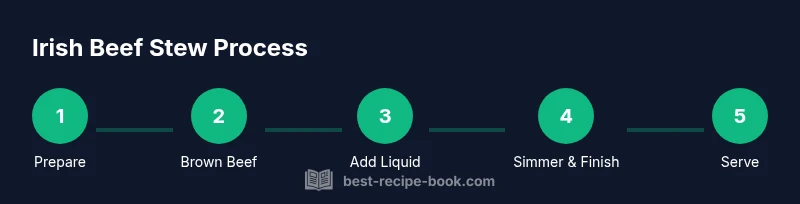
- 1
Prepare ingredients
Wash, peel, and chop vegetables. Cut beef into uniform pieces for even browning. Have all ingredients measured and within reach to streamline the cooking process.
Tip: Mise en place improves consistency and timing; set up a dedicated work area before you start. - 2
Brown the beef in batches
Pat beef dry, then sear in hot oil until deeply browned on all sides. Do not overcrowd the pan; this ensures fond formation, which adds depth to the final sauce.
Tip: Work in small batches to preserve color and prevent steaming. - 3
Sauté aromatics and deglaze
Sauté onions, carrots, and celery until soft and lightly caramelized. Add garlic for a minute, then deglaze with a splash of stock or stout to lift the fond.
Tip: Scrape the browned bits from the bottom of the pot; they are flavor gold. - 4
Simmer gently
Return beef to the pot, add enough stock to barely cover, add bay leaves and thyme, bring to a gentle simmer, and cook 1.5–2 hours until beef is fork-tender.
Tip: Keep the simmer gentle and partially covered to avoid tough meat and watery broth. - 5
Add potatoes and finish
Stir in potatoes and continue simmering until tender. If you want a thicker sauce, make a slurry with flour or cornstarch and stir in, simmering a few minutes more.
Tip: Add potatoes later so they don’t disintegrate into mush. - 6
Finish and serve
Taste and adjust salt and pepper. Remove bay leaves, garnish with parsley, and serve with crusty bread or mashed potatoes.
Tip: A touch of lemon juice brightens the broth—stir in a small amount at the end if desired.
People Also Ask
Can I use lamb instead of beef in this stew?
Yes. Lamb can be used, but cooking times may vary slightly due to different meat texture. Brown the lamb well and adjust simmer time accordingly to avoid overcooking.
Yes, you can use lamb; monitor tenderness as it cooks and adjust time accordingly.
Is this suitable for a slow cooker?
Yes. Brown the meat first, then transfer to a slow cooker with aromatics and stock. Cook on low for 6–8 hours or high for 4–6 hours until the meat is tender.
You can use a slow cooker—browning first and then simmer on low.
What if I don’t have stout?
Substitute with additional stock or a splash of red wine for depth. You’ll still achieve a rich, comforting broth.
If you don’t have stout, use more stock and a splash of wine for depth.
How do I thicken the sauce without flour?
Try reducing the liquid slightly during simmering, or make a cornstarch slurry and whisk in at the end for a smooth finish.
Reduce the liquid or whisk in a cornstarch slurry at the end to thicken.
How should I store leftovers?
Cool promptly and refrigerate in airtight containers for up to 3 days. For longer storage, freeze in portions and reheat gently.
Cool quickly, refrigerate up to 3 days, or freeze for longer storage.
Watch Video
Key Takeaways
- Brown meat in batches for color and flavor.
- Build depth with aromatics and deglazing.
- Simmer gently until beef is fork-tender.
- Finish with salt, pepper, and optional slurry for thickness.
- Serve with crusty bread and fresh herbs for a classic finish.